Introduction to Non-Electric Proximity Sensing
In the realm of industrial automation and safety systems, the detection of human presence is a critical function. While numerous electronic sensors dominate the market, a fascinating category exists that operates without any electrical power for its core sensing mechanism. These non-electric human proximity sensors rely on fundamental physical principles to detect the approach or presence of a person. Their operation is often based on changes in environmental conditions caused by a human body, such as temperature, pressure, or the interruption of a physical medium. This technology finds its niche in applications where electricity is undesirable, unavailable, or poses a safety risk, offering a robust and often fail-safe alternative to their electronic counterparts.
Core Operating Principles and Mechanisms
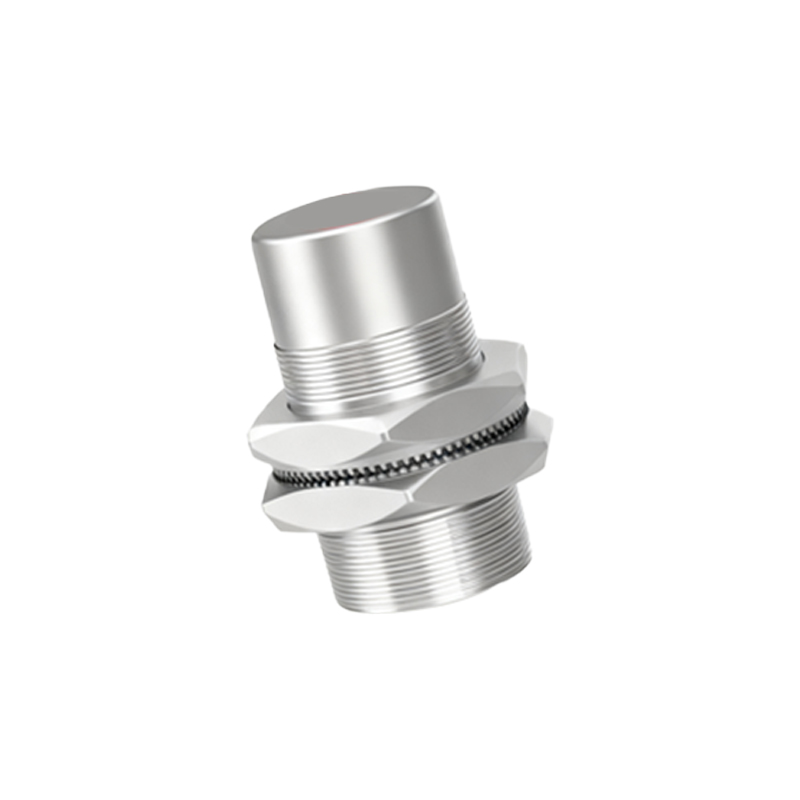
The functionality of these sensors hinges on passive detection methods. A primary example is the pneumatic or air-based sensor. These devices utilize a small, constant stream of air. When a person or object interrupts this air stream, it causes a detectable change in backpressure within the system. This pressure change is then mechanically translated, often through a diaphragm or a pilot valve, to trigger a mechanical switch or actuator. Another common principle is thermal sensing using bimetallic strips. The heat radiated from a human body can cause a bimetallic element to bend, physically closing or opening a contact. Similarly, purely mechanical sensors might use a physical lever, treadle, or a breakable beam (like a thin wire or thread) that, when disturbed by a person, releases a spring-loaded mechanism to signal presence.
Key Advantages in Industrial Settings
The most significant benefit of non-electric proximity sensors is their intrinsic safety. In hazardous environments containing flammable gases, vapors, or combustible dust—classified as explosive atmospheres (ATEX/IECEx zones)—the absence of electrical circuits eliminates the risk of spark ignition. This makes them ideal for oil and gas, chemical processing, and mining industries. Furthermore, they exhibit high immunity to electromagnetic interference (EMI) and radio frequency interference (RFI), which can plague electronic sensors. Their simplicity translates to exceptional durability and reliability, often withstanding extreme temperatures, heavy vibration, and corrosive conditions where electronics might fail. Maintenance is typically straightforward, involving mechanical cleaning or adjustment rather than complex diagnostics.
Common Types and Their Specific Applications
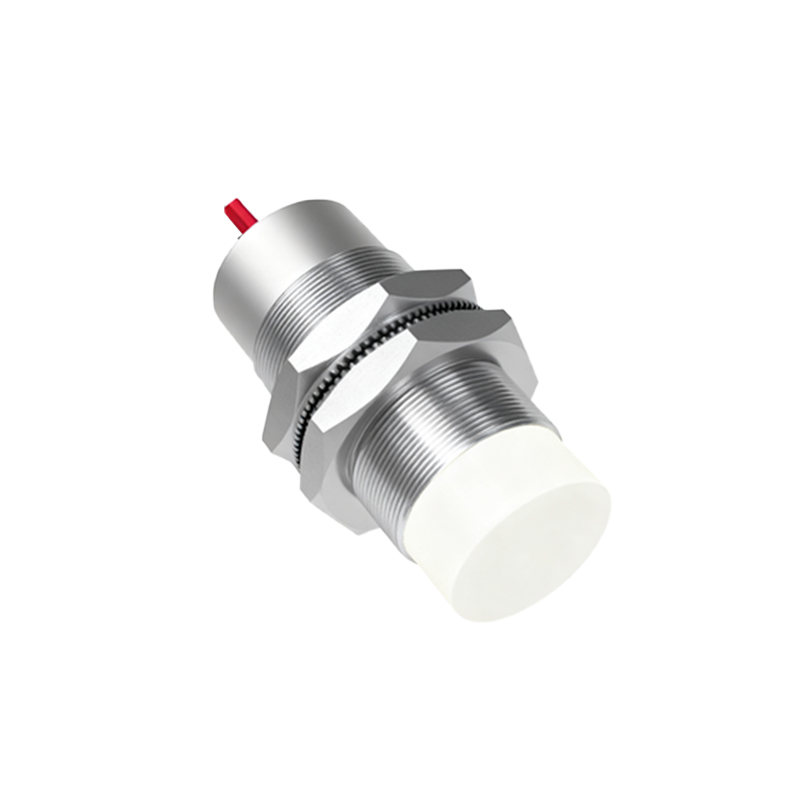
Several distinct types of non-electric sensors serve various purposes. Pneumatic proximity sensors are widely used on automated machinery guards and safety doors. When a door is opened, the interrupted air flow triggers a mechanical lock or a pneumatic valve to halt machine operation. Mechanical foot treadles or mats are employed in assembly stations to signal a worker's presence, initiating a part feed or tool sequence without the worker needing to press a button. Thermal-activated switches can be used in ventilation systems to detect human occupancy in a room, controlling dampers or fans based on body heat. Simple trip wires or break beams, while rudimentary, remain effective for perimeter security or in rugged outdoor applications where power is scarce.
Integration with Control Systems
While the sensing element itself is non-electric, the output signal often needs to interface with modern electronic Programmable Logic Controllers (PLCs) or safety relays. This is achieved through a simple interface device. For instance, the mechanical movement from a pneumatic sensor or a bimetallic strip can directly actuate a conventional electrical micro-switch or a pneumatic valve connected to an electric pressure switch. In this configuration, the non-electric component acts as the primary, intrinsically safe detector, while a secondary, potentially explosion-proof or sealed electronic component located in a safe area handles the signal transmission to the control system. This hybrid approach marries the safety of passive detection with the convenience of electronic control.
Limitations and Design Considerations
Despite their advantages, these sensors have inherent limitations. Their response time is generally slower than that of fast electronic sensors like capacitive or infrared types. The detection range is also typically very short, often limited to physical contact or a few centimeters for pneumatic jets. They are generally less sensitive and cannot differentiate between a human and an inanimate object of similar size, which may be a drawback in some applications. Engineers must carefully consider factors such as the required sensing distance, ambient temperature fluctuations (which affect thermal types), air supply quality (for pneumatic types), and the mechanical wear and tear over cycles. Proper installation and guarding against accidental actuation are also crucial.
Future Outlook and Niche Sustainability
In an era of advancing IoT and smart sensors, purely non-electric proximity sensors might seem like legacy technology. However, their role remains secure and vital. The demand for inherently safe design principles in hazardous industries continues to grow, ensuring their relevance. Innovations may focus on improving materials for longer life, miniatur