In the realm of automation and smart device interaction, proximity optical sensors stand as a cornerstone technology. These devices detect the presence, absence, or distance of an object without any physical contact, relying instead on the properties of light. Their operation is elegantly simple in principle yet sophisticated in execution, enabling countless applications from consumer electronics to heavy industrial systems.
At its core, a proximity optical sensor consists of two main components: an emitter and a receiver. The emitter, typically a light-emitting diode (LED) or a laser diode, projects a beam of light, often infrared to be invisible to the human eye. The receiver, a phototransistor or photodiode, is tuned to detect this specific wavelength. Detection occurs through one of two primary methods: through-beam or reflective sensing. In the through-beam, or opposed, mode, the emitter and receiver are placed opposite each other. An object is detected when it interrupts the light beam traveling from the emitter to the receiver. This method offers the longest sensing range and highest accuracy. The reflective, or diffuse, mode houses both emitter and receiver in the same unit. The sensor detects an object when the emitted light reflects off the target and returns to the receiver. A subset of this is the retro-reflective mode, which uses a dedicated reflector; the object is detected when it blocks the beam bouncing back from that reflector.
The advantages of using optical sensing for proximity are significant. The non-contact nature eliminates mechanical wear and tear, ensuring long operational life and reliability. These sensors can detect a wide variety of materials, including glass, plastic, metal, and liquids, provided the object affects the light beam. They offer fast response times, crucial for high-speed production lines and safety systems. Furthermore, modern sensors provide excellent precision and can be configured for very short to moderately long ranges, depending on the model and optical design.
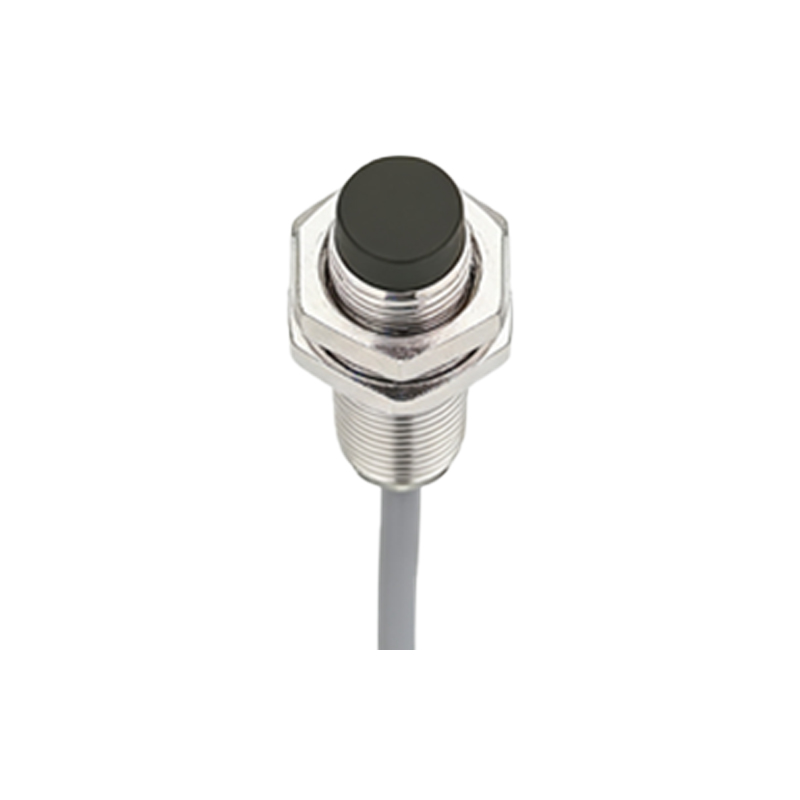
The applications of proximity optical sensors are vast and varied. In the consumer electronics space, they are ubiquitous. A smartphone uses a proximity sensor to turn off the touchscreen display when held to the ear during a call, preventing accidental touch inputs and saving battery life. They enable automatic screen brightness adjustment and are integral to features like "lift to wake." In the automotive industry, these sensors contribute to safety and convenience, used in systems for automatic headlight control, rain-sensing wipers, and obstacle detection during parking. Industrial automation heavily relies on them for tasks such as object counting on conveyor belts, jam detection in machinery, precise positioning of robotic arms, and checking for the presence of components in assembly processes. They are also found in medical devices, security systems, and home appliances like automatic soap dispensers and paper towel dispensers.
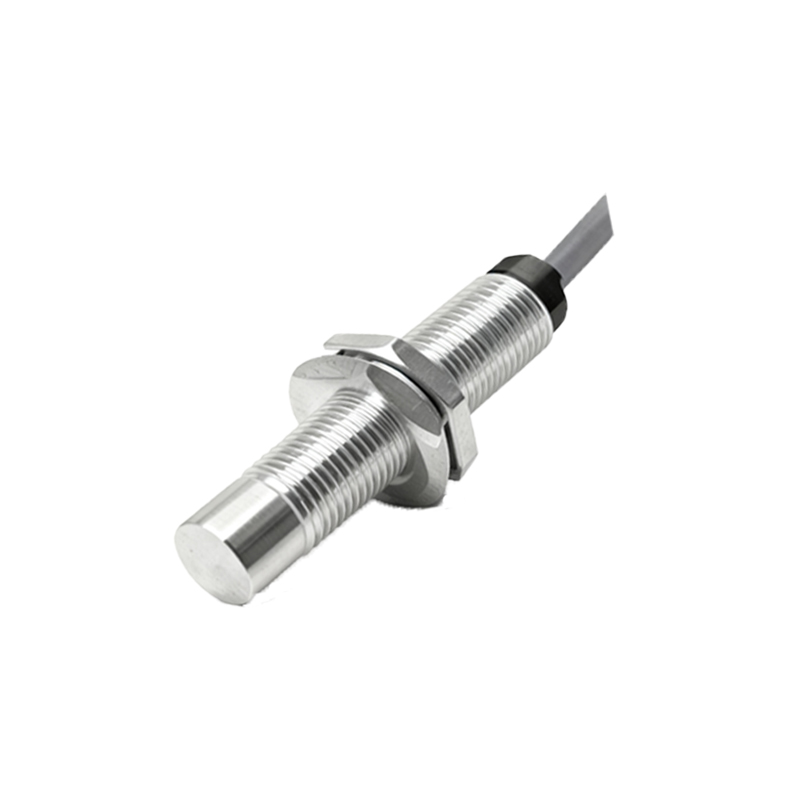
Selecting the right proximity optical sensor requires careful consideration of several key parameters. The sensing range is paramount; ensure the sensor can reliably detect at the required distance for the application. The size and material of the target object influence the choice, as dark, non-reflective, or very small objects may require a sensor with higher sensitivity or a specific beam pattern. The operating environment presents critical factors: ambient light conditions (especially sunlight which contains IR), dust, fog, or steam can interfere with optical sensors. Models with modulated LED light and synchronous detection circuits are essential for rejecting ambient light interference. The required response speed must match the application's dynamics. Finally, the physical form factor, output type (digital ON/OFF or analog), and supply voltage must be compatible with the system's design.
Installation and maintenance are straightforward but vital for optimal performance. Sensors should be mounted securely to prevent misalignment, especially for through-beam types. Lenses must be kept clean from dust, oil, and debris, which can attenuate the light signal and reduce effective range. Regular checks should be performed to ensure the sensing path remains unobstructed and that the sensor's performance hasn't drifted over time.
Looking ahead, the evolution of proximity optical sensors continues. Miniaturization allows for their integration into ever-smaller devices. Enhanced digital signal processing provides smarter sensors that can differentiate between target objects and environmental noise more effectively. The integration of time-of-flight (ToF) principles in some optical sensors enables precise distance measurement, not just presence detection, opening doors for advanced gesture control and 3D mapping applications. As the Internet of Things expands, these sensors will become even more critical, providing the essential data about physical presence and spatial relationships that drive intelligent, automated systems. Their fundamental role in bridging the physical and digital worlds ensures that proximity optical sensors will remain a key enabling technology for the foreseeable future.