Proximity switch sensors, often simply called proximity sensors, are a cornerstone of modern industrial automation. Their primary function is to detect the presence or absence of an object without physical contact. The term "drive" in this context refers to the complete system that powers the sensor, processes its signal, and executes the desired control action. Understanding the drive mechanism is crucial for selecting, integrating, and maintaining these reliable components.
At its core, a proximity sensor operates by generating an electromagnetic field or a beam of radiation. When a target object enters this field, it causes a change in the field's state. This change is detected by the sensor's internal circuitry. However, the raw signal from the sensing element is typically weak or unsuitable for direct use by control systems like PLCs (Programmable Logic Controllers), relays, or actuators. This is where the drive electronics come into play.
The drive circuit within a proximity sensor performs several critical functions. First, it provides stable power to the oscillator circuit that generates the sensing field. Second, it amplifies the minute change in oscillation caused by the target's presence. Third, it converts this analog change into a clean, digital output signal—usually a switch-like ON/OFF DC voltage (PNP or NMP sourcing/sinking) or a current change. This robust output is what "drives" the next stage of the control loop.
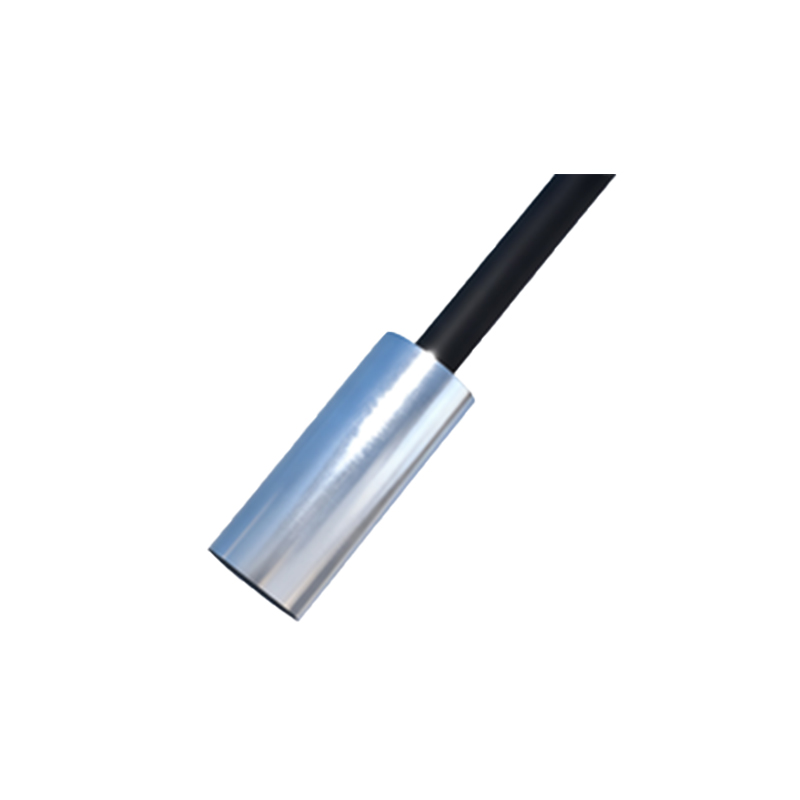
There are several key technologies, each with its own driving principles. Inductive proximity sensors are the most common, used for detecting metallic objects. Their drive circuit monitors the damping of a high-frequency oscillating magnetic field generated by a coil. Capacitive sensors can detect both metallic and non-metallic materials (like plastic, wood, or liquids) by sensing changes in capacitance. Ultrasonic sensors drive a piezoelectric element to emit sound waves and measure the time of flight of the echo. Photoelectric sensors drive an LED or laser diode to emit light and use a phototransistor or photodiode to detect the reflected or interrupted beam.
Selecting the correct sensor and understanding its drive requirements is vital. Key specifications include the sensing distance, which should be derated for reliable operation, the output type (e.g., NPN vs. PNP for DC models), the supply voltage range, and the output current capacity (the drive capability). The output current, often around 100-200mA, determines what kind of load the sensor can directly drive, such as a relay coil or a PLC input module. For heavier loads, an intermediate amplifier or contactor is necessary.
Wiring is a fundamental part of the drive system. A typical three-wire DC sensor has connections for power supply positive, power supply negative (common), and the output signal. Proper shielding and cable routing are essential in electrically noisy industrial environments to prevent false triggering. The drive circuit often includes built-in protection against short-circuits, reverse polarity, and voltage spikes to ensure longevity.
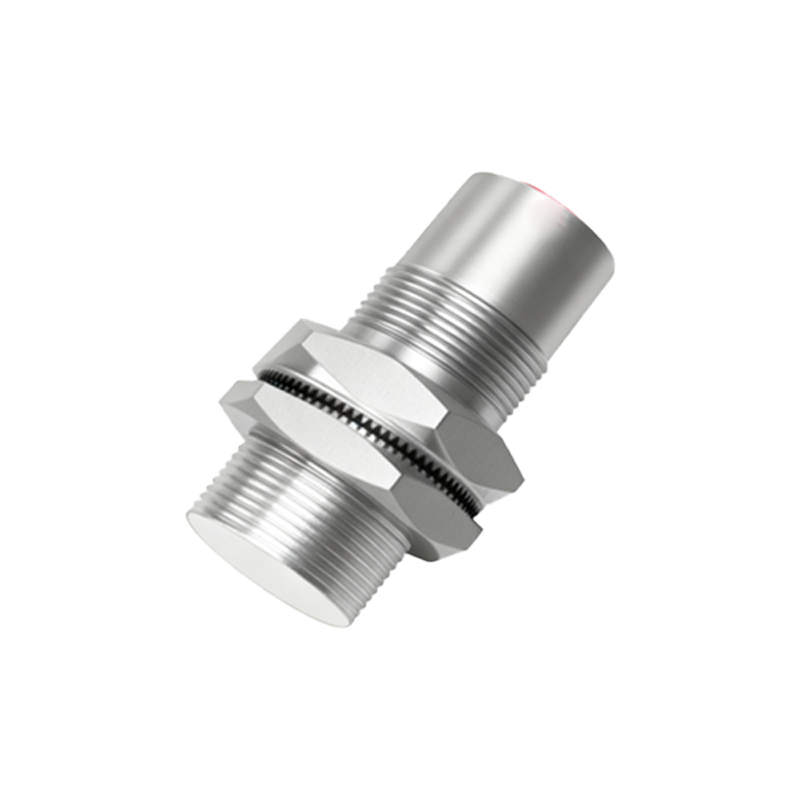
Applications of proximity sensor drives are ubiquitous. In automotive assembly lines, inductive sensors drive counters to track components. In packaging machinery, photoelectric sensors drive stops and gates to control product flow. In material handling, capacitive sensors drive alarms for liquid level detection. In all cases, the reliability of the entire system hinges on the sensor's ability to consistently provide a stable, driven output signal under varying conditions of temperature, humidity, and contamination.
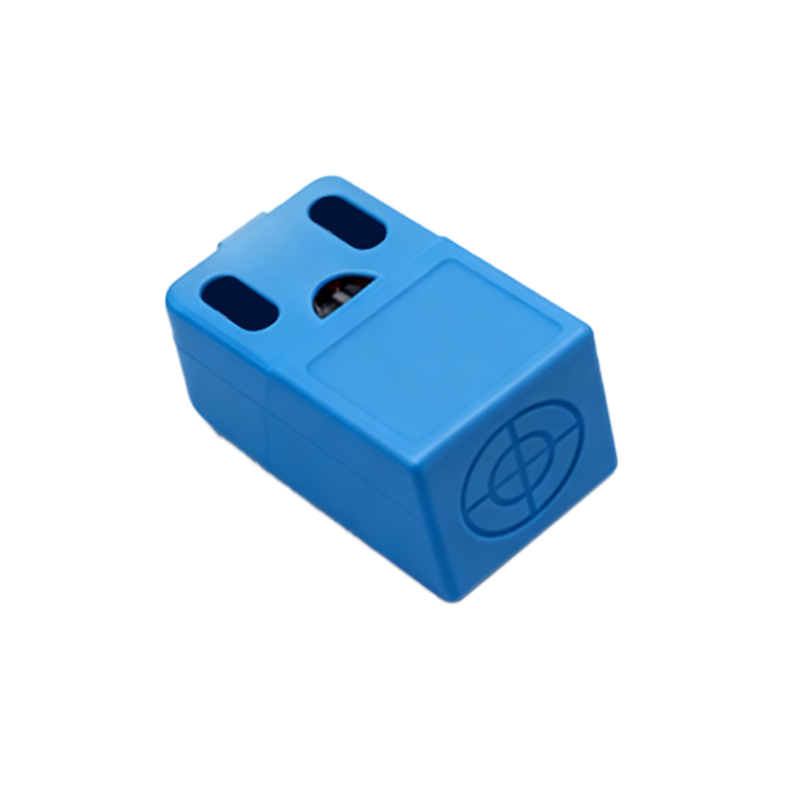
Maintenance involves ensuring a stable power supply, keeping the sensing face clean from debris that might affect the field, and periodically checking the output's integrity with a multimeter or diagnostic tools. Understanding that the sensor is part of a larger drive chain—from power supply to final actuator—helps in troubleshooting issues like failure to trigger or constant activation.
In summary, the effectiveness of a proximity switch is not solely in its detection ability but in the integrated performance of its internal drive electronics. This drive system transforms a physical phenomenon into a decisive, industrial-grade command. As automation evolves towards Industry 4.0, these sensors with advanced drive circuits, often featuring IO-Link digital communication for detailed diagnostics and parameter setting, continue to be indispensable for enabling precise, contactless, and reliable control.