Introduction to Proximity Switch Sensors
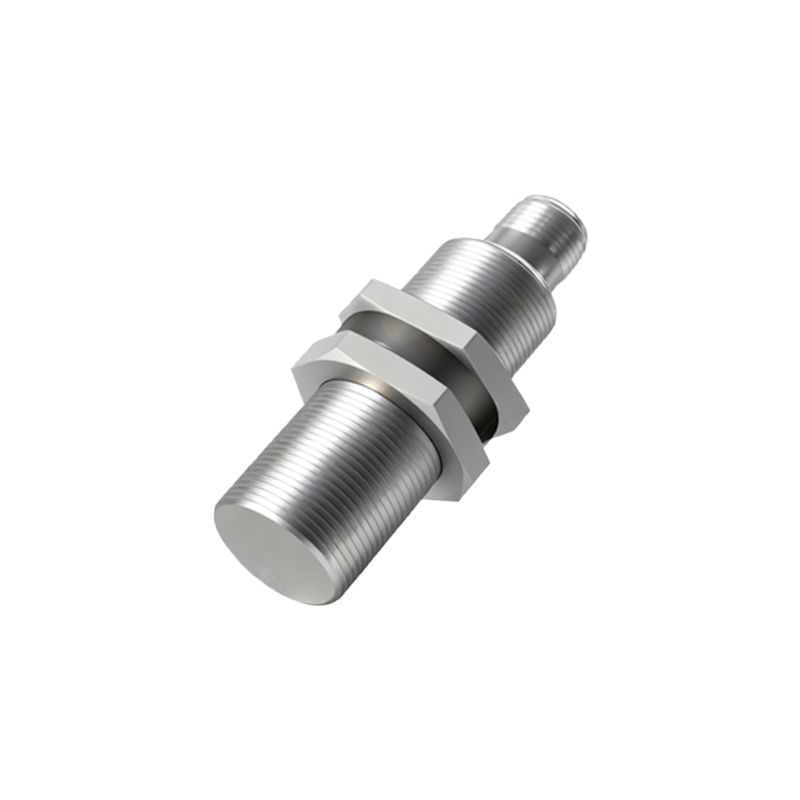
Proximity switch sensors, particularly those featuring a three-wire iron head design, are fundamental components in modern industrial automation. These non-contact sensors detect the presence or absence of metallic objects, primarily ferrous metals like iron and steel, through electromagnetic fields. The "three-wire" designation refers to the wiring configuration, which typically includes power (brown wire), ground (blue wire), and signal output (black wire). This setup is standard in DC-powered sensors, providing a reliable interface with programmable logic controllers (PLCs) and other control systems. The iron head, or sensing face, is specifically optimized for detecting ferromagnetic materials, offering enhanced sensitivity and operational stability in harsh industrial environments such as manufacturing lines, robotics, and material handling systems.
Working Principle and Electromagnetic Field
The core functionality of a three-wire iron head proximity sensor relies on electromagnetic induction. Inside the sensor housing, an oscillator generates a high-frequency alternating magnetic field that emanates from the iron head. When a ferrous metal object enters this field, eddy currents are induced on the object's surface. These currents absorb energy from the oscillator, causing a reduction in oscillation amplitude. This change is detected by a threshold circuit, which subsequently triggers the sensor's output switch—either normally open (NO) or normally closed (NC)—to change state. The iron head is constructed from materials like ferrite or laminated steel to concentrate the magnetic flux, improving detection range and repeatability. This design ensures minimal interference from non-ferrous metals or environmental factors like dust, oil, or vibrations.
Key Advantages of Three-Wire Iron Head Design
The three-wire iron head configuration offers several critical benefits in industrial applications. First, it provides a stable and noise-immune signal output, crucial for high-speed counting or positioning tasks. The dedicated power and ground wires reduce electrical interference, while the separate output wire allows for direct connection to control units without additional amplifiers. The iron head's material composition enhances durability against mechanical wear and corrosion, extending the sensor's lifespan in demanding settings like foundries or automotive assembly plants. Additionally, these sensors typically operate on low voltage DC (e.g., 10-30V DC), making them energy-efficient and compatible with standard industrial power supplies. Their compact size and robust housing (often IP67-rated) enable easy installation in confined or exposed locations.
Installation and Wiring Best Practices
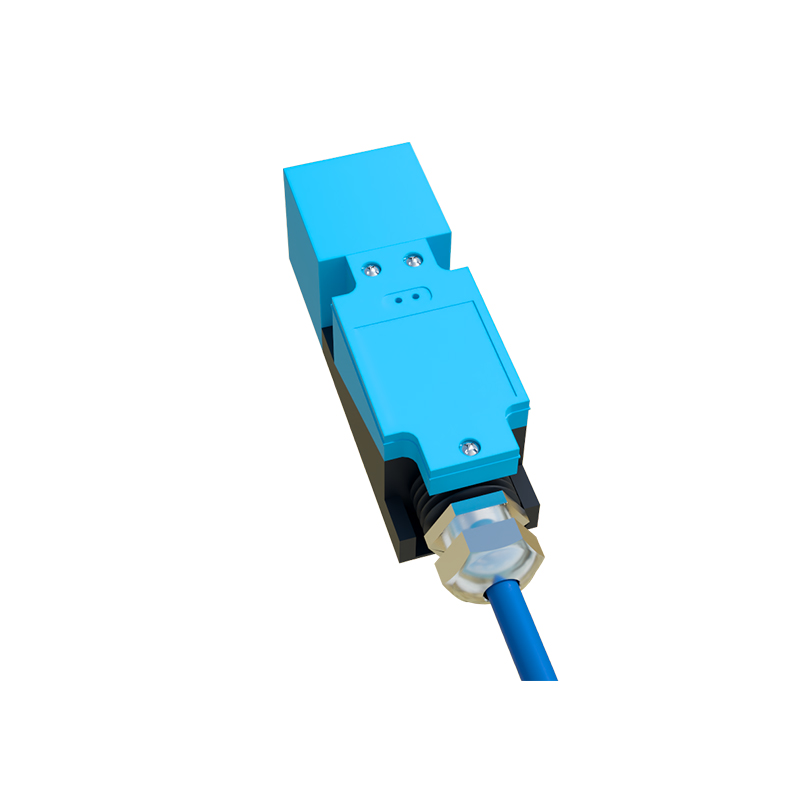
Proper installation is essential for optimal performance of three-wire iron head proximity sensors. Mounting should ensure the sensing face is parallel to the target object, with the recommended sensing distance (usually specified as "Sn" in datasheets) maintained to avoid false triggers. For flush-mounted sensors, metallic surroundings must be considered to prevent shielding effects. Wiring follows a straightforward protocol: connect the brown wire to the positive DC supply, the blue wire to the negative or ground, and the black wire to the load (e.g., PLC input). It is vital to include protective measures such as fuses or surge suppressors to guard against voltage spikes or short circuits. Regular testing with a multimeter can verify output signals, while environmental factors like temperature extremes or chemical exposure should be assessed to select appropriate sensor models (e.g., high-temperature variants).
Common Applications in Industrial Automation
Three-wire iron head proximity sensors are ubiquitous across various sectors due to their reliability. In conveyor systems, they detect metal parts for sorting or counting, ensuring seamless workflow. Robotics utilize them for end-effector positioning or safety interlocks, preventing collisions. Automotive manufacturing relies on these sensors for weld nut detection, cylinder position feedback, and assembly verification. They also play a role in packaging machinery, where they monitor metal seals or caps, and in metalworking for tool breakage detection. The iron head's specificity to ferrous materials makes it ideal for applications requiring discrimination between metal types, such as in recycling plants where separation of iron from aluminum is necessary.
Troubleshooting and Maintenance Guidelines
Despite their robustness, three-wire iron head sensors may encounter issues like false triggering, reduced sensing range, or output failure. Common causes include misalignment, accumulation of metallic debris on the head, or wiring faults. Regular maintenance involves cleaning the iron head with a soft cloth and non-abrasive solvent to remove contaminants. Electrical checks should confirm stable voltage supply and intact cables. If the sensor fails, diagnostic steps include verifying the output LED indicator (if present), testing with a known ferrous target, and inspecting for physical damage. Replacement sensors should match original specifications, including voltage rating, output type (PNP or NPN), and sensing distance. Keeping spare units on hand minimizes