Introduction to Phototransistors
A phototransistor is a semiconductor device that converts light energy into an electrical signal, functioning as a light-sensitive transistor. Structurally similar to a standard bipolar junction transistor (BJT), its key distinction lies in the exposure of its base-collector junction to incident light, which replaces or augments the traditional base current. When photons with sufficient energy strike the base region, they generate electron-hole pairs. This photocurrent is then amplified by the transistor's gain, resulting in a significantly larger collector-emitter current. This inherent amplification makes phototransistors far more sensitive to light than basic photodiodes. They are commonly packaged in transparent or lens-top cases to maximize light exposure and are available in various configurations, including NPN and PNP types, with NPN being the most prevalent.
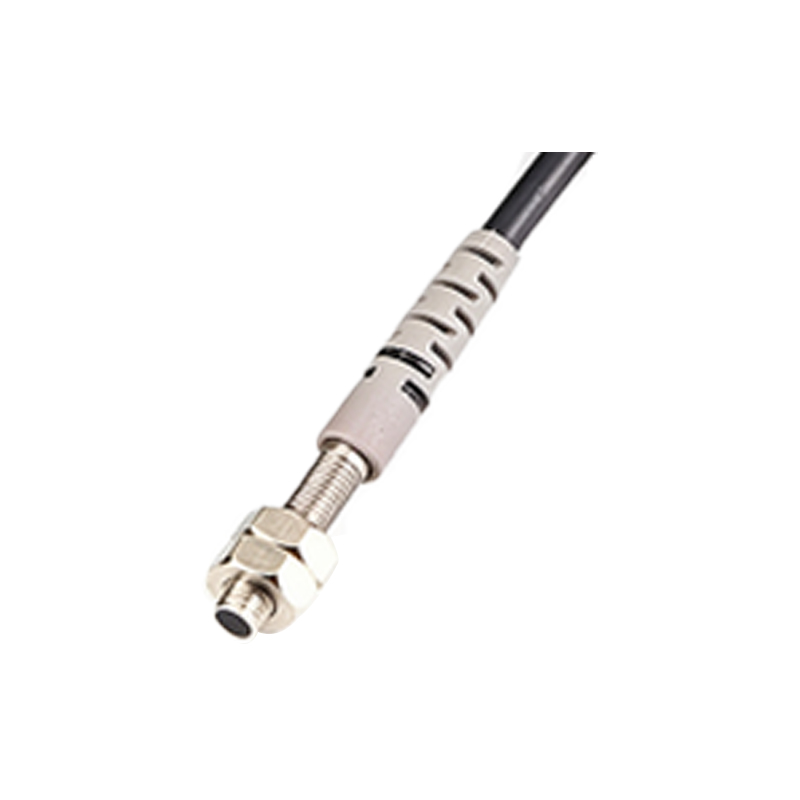
Core Operating Principles and Characteristics
The operation hinges on the photoelectric effect within the semiconductor material, typically silicon. In the absence of light, only a small leakage current (dark current) flows. Upon illumination, the generated photocurrent acts as the base current. The resulting collector current is approximately the product of this photocurrent and the DC current gain (hFE) of the transistor. Key performance parameters include responsivity (output current per unit of light power), spectral response (sensitivity across light wavelengths, usually peaking in the near-infrared or visible range), and response time. While offering high sensitivity and simple biasing circuits, phototransistors generally have slower switching speeds compared to photodiodes due to the larger junction capacitance associated with the gain mechanism.
Understanding Photoelectric Sensors
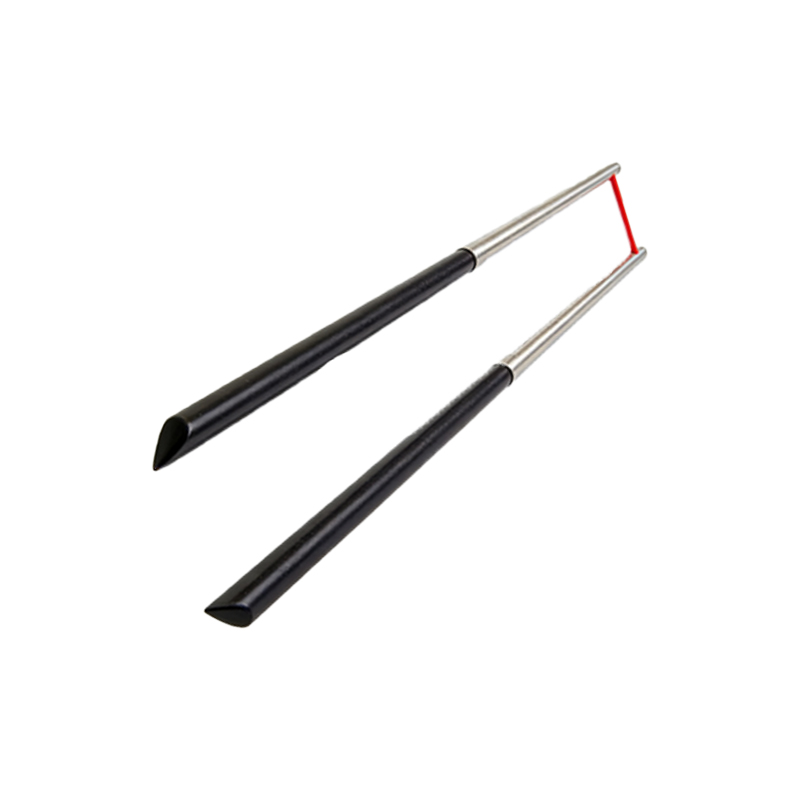
Photoelectric sensors are complete electronic systems that utilize a photoelectric element, such as a phototransistor, photodiode, or in some cases, a photothyristor, as the receiving component to detect the presence, absence, or distance of an object. They consist of three fundamental parts: an emitter (light source like an LED or laser diode), a receiver (the photodetector), and supporting electronics for signal processing and output. The sensor generates a usable electrical output, typically a switched digital signal or an analog voltage/current proportional to the received light intensity. Their non-contact nature, long sensing ranges, fast response, and ability to detect a wide variety of materials make them indispensable in industrial automation.
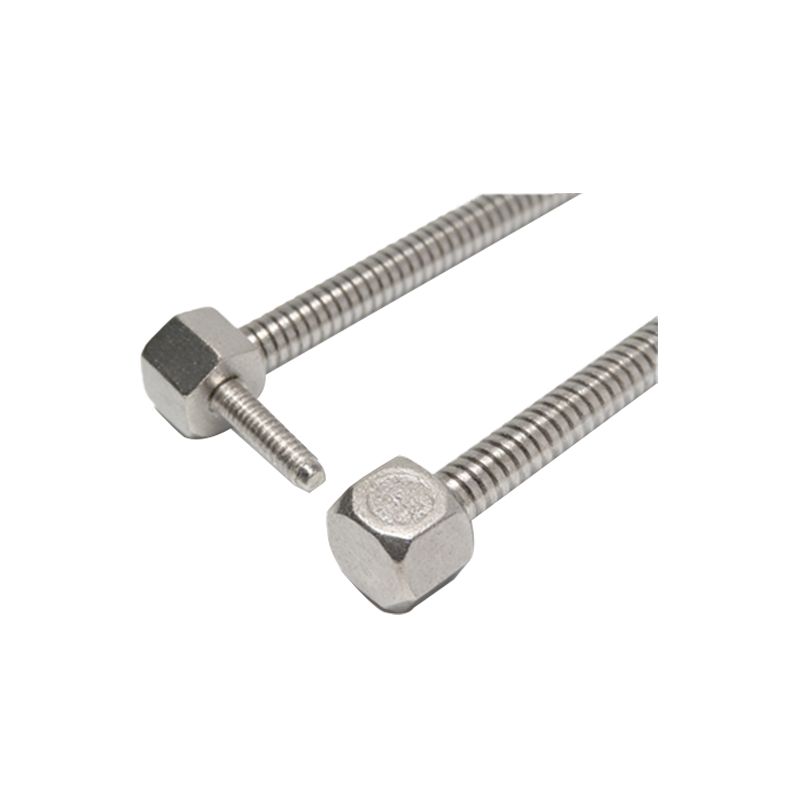
Primary Sensing Modes and Configurations
These sensors operate in three main modes. Through-beam sensors have separate, opposing emitter and receiver units; an object is detected when it interrupts the light beam. This mode offers the longest range and highest reliability. Retro-reflective sensors house the emitter and receiver together, using a reflector to bounce the light back; detection occurs when the beam is blocked. Diffuse (proximity) sensors also have co-located emitter and receiver but rely on light reflecting directly off the target object. Each mode has distinct advantages concerning installation complexity, sensing distance, and target material requirements. Specialized configurations include background suppression and convergent beam sensors for precise detection.
Critical Application Areas in Industry
The applications are vast and critical to modern manufacturing and automation. They are extensively used for object detection on assembly lines, counting products, monitoring fill levels in containers, and detecting broken threads in textiles. In packaging machinery, they ensure correct label placement and verify cap presence. High-speed sensors are crucial for registration control in printing. Safety systems employ them as light curtains to protect personnel around hazardous machinery. Furthermore, they facilitate precise positioning in robotic pick-and-place systems and read optical encoders for motion control. Their versatility allows them to solve complex sensing challenges across automotive, pharmaceutical, food and beverage, and material handling sectors.
Design Considerations and Selection Criteria
Selecting the appropriate sensor requires a careful analysis of the application. Key factors include sensing distance, required resolution or accuracy, the size and surface properties of the target object, ambient environmental conditions (like dust, fog, or ambient light interference), and the required output signal type. The choice of light source wavelength (e.g., red, green, blue, infrared) can be critical for detecting specific materials or minimizing environmental noise. For harsh environments, sensors with robust housing (IP67/IP69K ratings), resistant to chemicals, vibration, and temperature extremes, are necessary. Engineers must also consider electrical requirements, mounting options, and connectivity.
Integration and Circuit Implementation
Integrating a phototransistor into a circuit typically involves a simple biasing arrangement with a collector resistor to convert the current change into a voltage signal. For digital switching applications, a comparator stage is added to provide a clean, high/low output. Modern photoelectric sensors are often self-contained units with built-in amplifiers, logic circuits, and various output options (PNP/NPN, push-pull, analog, or IO-Link). When designing with discrete phototransistors, considerations must include linearity for analog applications, bandwidth for high-speed detection, and protection against electrical transients and excessive light power that could saturate or damage the device.
Advancements and Future Trends
The field continues to evolve with technological advancements. Miniaturization allows for smaller sensors in tight spaces. The integration of advanced functionalities, such as IO-Link communication, enables smart sensors that provide diagnostic data, parameter setting via software, and easier integration into Industry 4.0 frameworks. Laser-based sensors offer extremely small spot sizes for detecting minute objects. Background suppression techniques using triangulation principles allow for reliable detection regardless of object color or reflectivity. Furthermore, the development of more robust and cost-effective components expands the viable range of applications, pushing the boundaries of speed, precision, and reliability in photoelectric sensing.