Introduction to Proximity Sensor Categories
In the realm of industrial automation and control systems, proximity sensors are indispensable components for non-contact detection of objects. These sensors are broadly classified based on their underlying sensing technology. The primary categories include inductive, capacitive, ultrasonic, photoelectric, and magnetic proximity sensors. Each type operates on distinct physical principles, making them suitable for specific applications, environments, and target materials. Understanding this classification is crucial for selecting the right sensor to ensure reliability, efficiency, and safety in automated processes. The E2E series, a prominent line from leading manufacturers, falls within one of these fundamental categories, designed to meet rigorous industrial demands.
The Core Technology of E2E Sensors
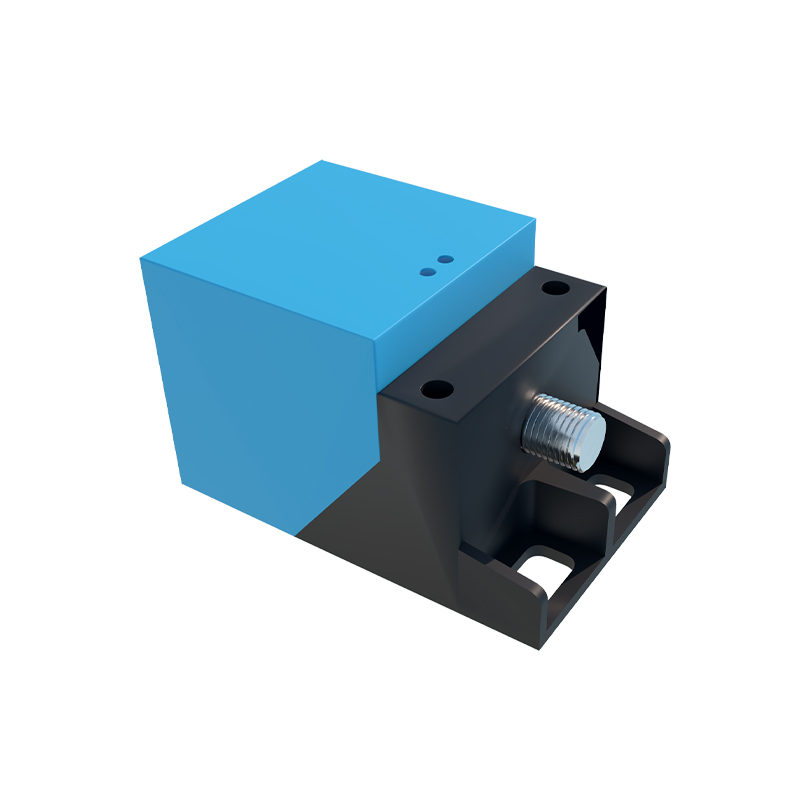
The E2E series is unequivocally classified as a family of inductive proximity sensors. This classification is defined by its operational principle. Inductive proximity sensors generate an electromagnetic field from a coil in the sensor's oscillator circuit. When a metallic object enters this field, eddy currents are induced on the object's surface. This causes a change in the oscillation amplitude or frequency within the sensor. The sensor's detection circuit monitors this change and triggers a solid-state output switch. The "E2E" designation typically refers to a standardized cylindrical housing form factor with specific performance characteristics, but the core technology remains inductive. This makes E2E sensors exclusively capable of detecting metallic targets, primarily ferrous metals like steel and iron, though specialized versions can also detect non-ferrous metals.
Key Characteristics and Advantages
As inductive sensors, E2E models offer several defining advantages. They are renowned for their high switching frequency and fast response times, enabling detection in high-speed automation lines. Their operation is largely unaffected by environmental factors such as dust, dirt, oil, or ambient light, making them exceptionally robust for harsh industrial environments. Since they only detect metals, they provide excellent noise immunity against non-metallic substances. The E2E series often features embedded protection circuits against short-circuits, overload, and reverse polarity, enhancing their durability. Furthermore, their self-contained, solid-state design with no moving parts ensures long-term reliability and minimal maintenance, a critical factor in continuous production systems.
Comparison with Other Sensor Types
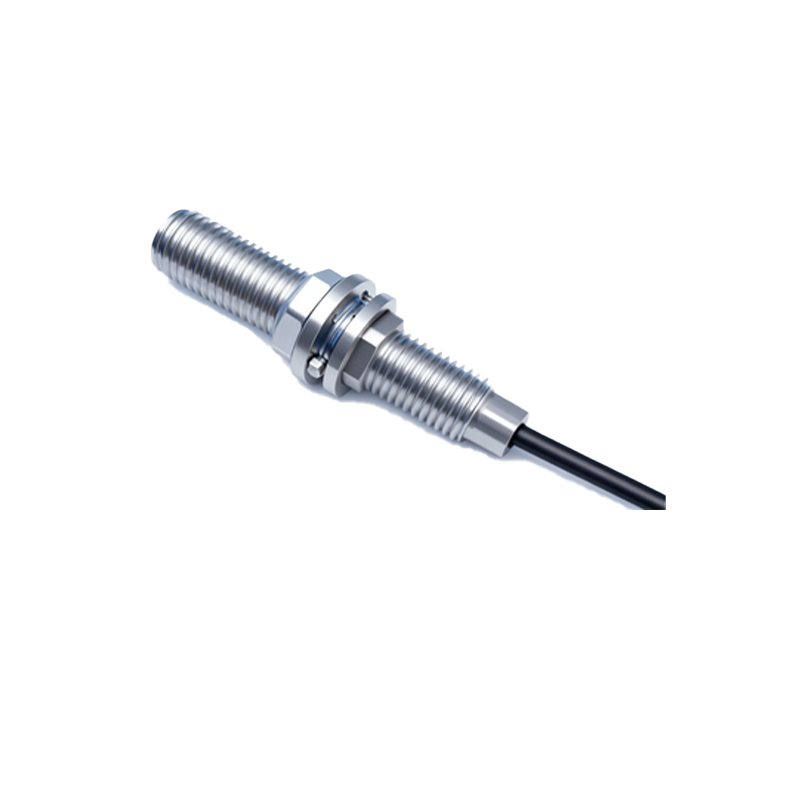
Contrasting E2E inductive sensors with other categories highlights their specific niche. Capacitive sensors can detect both metallic and non-metallic materials (like liquids, plastics, or wood) by sensing changes in capacitance, but they are more sensitive to environmental humidity and material composition. Ultrasonic sensors use sound waves to detect objects of any material, offering longer sensing ranges but may be influenced by temperature, wind, or the object's sound-absorbing properties. Photoelectric sensors use light beams and are versatile for long-range detection of various materials, but their performance can be compromised by dirty lenses or ambient light interference. Magnetic sensors detect permanent magnets and are used in specific positional sensing. The E2E inductive sensor's strength lies in its precise, reliable, and robust detection of metals where other sensor types might fail or be overcomplicated.
Typical Industrial Applications
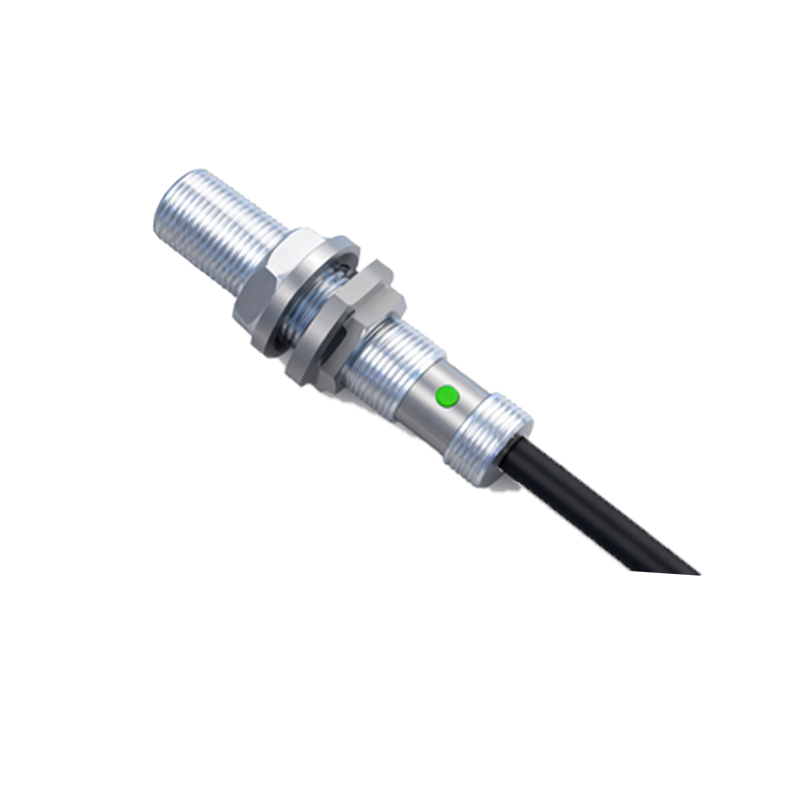
The application of E2E proximity sensors spans numerous industries due to their reliability. In automotive manufacturing, they are used for part presence verification, robot end-effector positioning, and counting metallic components on conveyor lines. In metal machining and stamping, they monitor the position of tools, detect broken drills, or confirm the ejection of finished parts. Packaging machinery utilizes them to detect metal tags or foil seals. Material handling systems employ E2E sensors for pallet positioning, elevator level control, and detecting metal objects in automated storage and retrieval systems (AS/RS). Their sealed designs (often meeting IP67 or higher standards) make them ideal for washdown areas in food and beverage processing, where they detect metal cans or machinery components.
Selection Criteria and Considerations
Selecting the correct E2E sensor requires careful analysis of several parameters. The sensing distance, or "rated operating distance," is a primary specification, which must be chosen with a safety margin to account for target material, size, and temperature variations. The housing material (typically nickel-plated brass or stainless steel) must be compatible with the environment to resist corrosion or chemical exposure. The output type (NPN or PNP, normally-open or normally-closed) must match the control system's input card requirements (sinking or sourcing). Other critical factors include the switching frequency, voltage range, temperature rating, and the presence of built-in diagnostic indicators like LED status lights. Proper mounting, alignment, and electrical connection as per the manufacturer's datasheet are essential for optimal performance.
Conclusion and Industry Outlook
In summary, E2E proximity sensors are a standardized and highly reliable subset