Introduction to Photoelectric Sensors
Photoelectric sensors are pivotal components in modern industrial automation, utilizing light beams to detect the presence, absence, or distance of objects. These sensors operate by emitting a light source—typically infrared, visible, or laser—and measuring the reflection or interruption of that light. Their versatility allows for applications across diverse sectors, from manufacturing and packaging to automotive and logistics. By providing non-contact detection, photoelectric sensors minimize wear and tear, ensuring longevity and reliability in harsh environments. As industries increasingly adopt smart technologies, the role of these sensors in enabling precise control and monitoring continues to expand, driving efficiency and reducing operational costs.
Key Operating Principles and Types
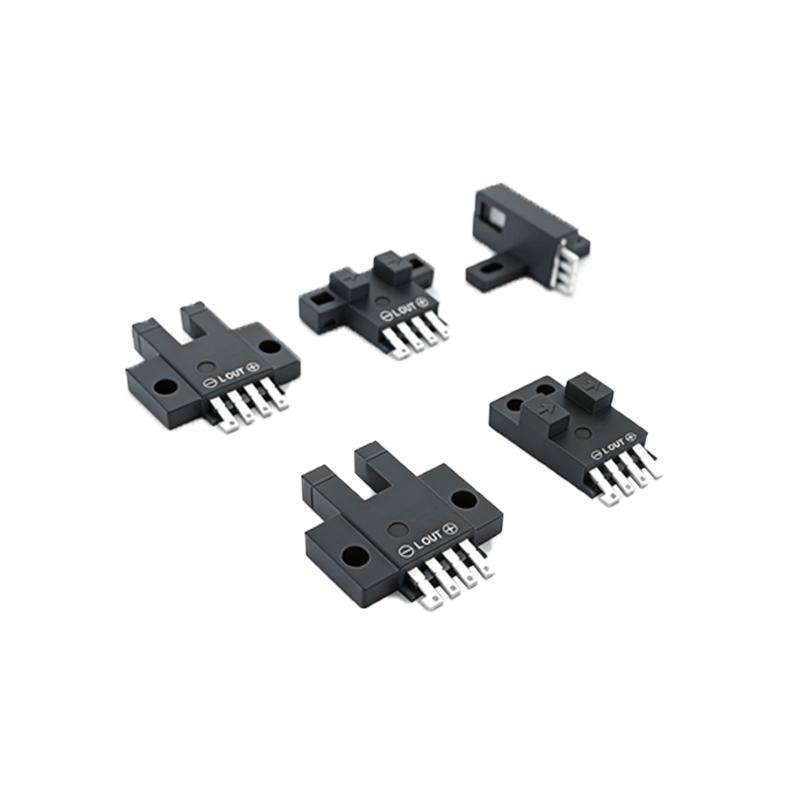
The functionality of photoelectric sensors is based on three primary modes: through-beam, retro-reflective, and diffuse reflective. Through-beam sensors consist of separate emitter and receiver units, where an object is detected when it breaks the light beam, offering high accuracy over long distances. Retro-reflective sensors use a single unit with a reflector; detection occurs when the reflected light is obstructed, making them suitable for medium-range applications. Diffuse reflective sensors rely on light bouncing off the target itself, ideal for short-range tasks where reflectors are impractical. Additionally, advanced variants like background suppression and color sensors enhance detection capabilities by ignoring interfering backgrounds or distinguishing specific colors, respectively. Understanding these principles helps in selecting the right sensor for specific industrial needs.
Applications in Manufacturing and Assembly Lines
In manufacturing, photoelectric sensors are integral to assembly lines, where they monitor part positioning, count products, and ensure quality control. For instance, in automotive production, sensors detect components on conveyor belts, triggering robotic arms for precise placement. They also verify the presence of labels or caps in packaging processes, preventing errors and reducing waste. By integrating with programmable logic controllers (PLCs), these sensors enable real-time adjustments, optimizing throughput and minimizing downtime. Their ability to operate in dusty or vibrating environments makes them reliable for heavy industries, such as metalworking or wood processing, where traditional mechanical switches might fail.
Role in Logistics and Material Handling
Logistics and warehousing rely heavily on photoelectric sensors for automation in material handling systems. They facilitate object detection on conveyor belts, sort packages by size or shape, and manage inventory levels in automated storage and retrieval systems. In palletizing operations, sensors ensure stacks are aligned correctly, preventing accidents and improving safety. Furthermore, sensors with long-range capabilities are used in AGVs (Automated Guided Vehicles) for navigation and obstacle avoidance, enhancing efficiency in large distribution centers. As e-commerce grows, the demand for fast, accurate logistics solutions underscores the importance of these sensors in streamlining supply chains.
Advancements in Smart Sensor Technology
Recent advancements have transformed photoelectric sensors into smart devices with enhanced connectivity and data analytics. IoT-enabled sensors can transmit detection data to cloud platforms, allowing for predictive maintenance and performance monitoring. Features like IO-Link communication enable parameter adjustments remotely, reducing setup time and increasing flexibility. Additionally, sensors with built-in diagnostics provide alerts for contamination or misalignment, preventing system failures. These innovations align with Industry 4.0 trends, where sensors contribute to digital twins and autonomous systems, fostering a more responsive and intelligent industrial ecosystem.
Challenges and Future Outlook
Despite their benefits, photoelectric sensors face challenges such as sensitivity to environmental factors like ambient light, fog, or reflective surfaces. Manufacturers address these issues through protective housings, specialized filters, and adaptive algorithms. Looking ahead, the integration of AI and machine learning will enable sensors to learn from detection patterns, improving accuracy in complex scenarios. The push for miniaturization and energy efficiency will also drive development, supporting sustainable industrial practices. As automation expands globally, photoelectric sensors are poised to play a crucial role in enhancing productivity, safety, and innovation across sectors.