Introduction to the PRT12-4D0 Proximity Sensor
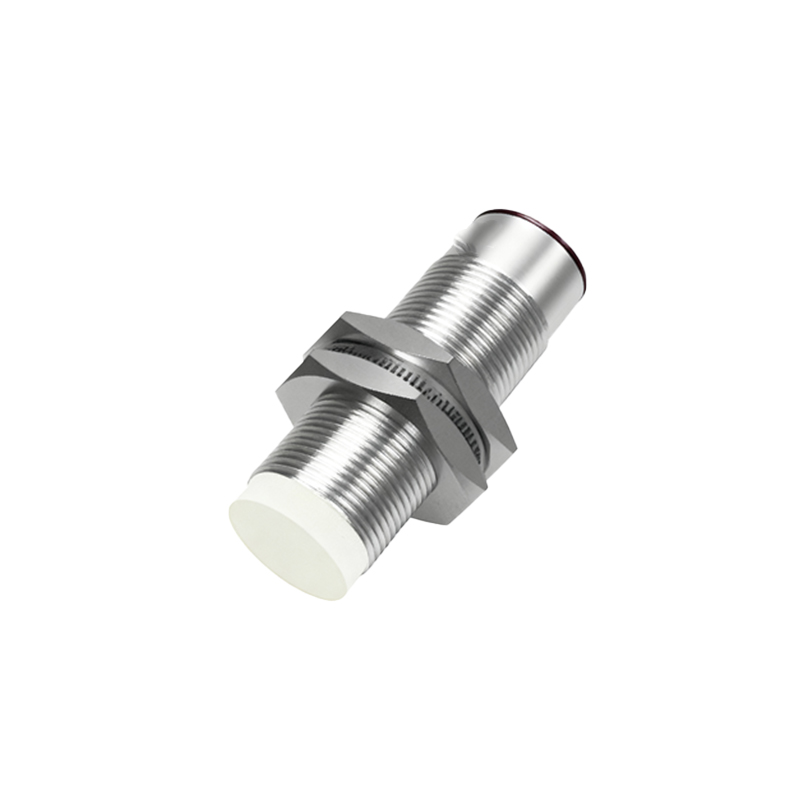
The PRT12-4D0 represents a specific model within the broad category of inductive proximity sensors, a cornerstone technology in industrial automation. Designed for non-contact detection of metallic objects, this sensor offers reliability and precision in demanding environments. Its model nomenclature typically indicates key characteristics: a 12mm diameter cylindrical housing and a digital PNP normally open (NO) output configuration. These sensors operate on the principle of electromagnetic induction, where an oscillator generates a high-frequency electromagnetic field at the active face. When a metallic target enters this field, eddy currents are induced, causing a change in the oscillation amplitude. This change is detected by the sensor's circuitry, triggering a solid-state switch to change state.
Key Technical Specifications and Operating Principles
The performance of the PRT12-4D0 is defined by a set of critical parameters. The sensing distance, or nominal range, is typically 4mm for this form factor, though it is crucial to note the effective operating distance can vary with target material (steel, aluminum, brass, etc.). It usually features a built-in hysteresis to prevent output chattering. The operating voltage range commonly spans from 10-30V DC, making it compatible with standard industrial control voltages. The output is a PNP (sourcing) transistor in a normally open configuration, capable of switching currents up to 200mA, sufficient to drive relays, PLC inputs, or small solenoids directly. Key protection features often include short-circuit protection, reverse polarity protection, and overload protection, ensuring longevity.
Electrical Connection and Wiring Diagram
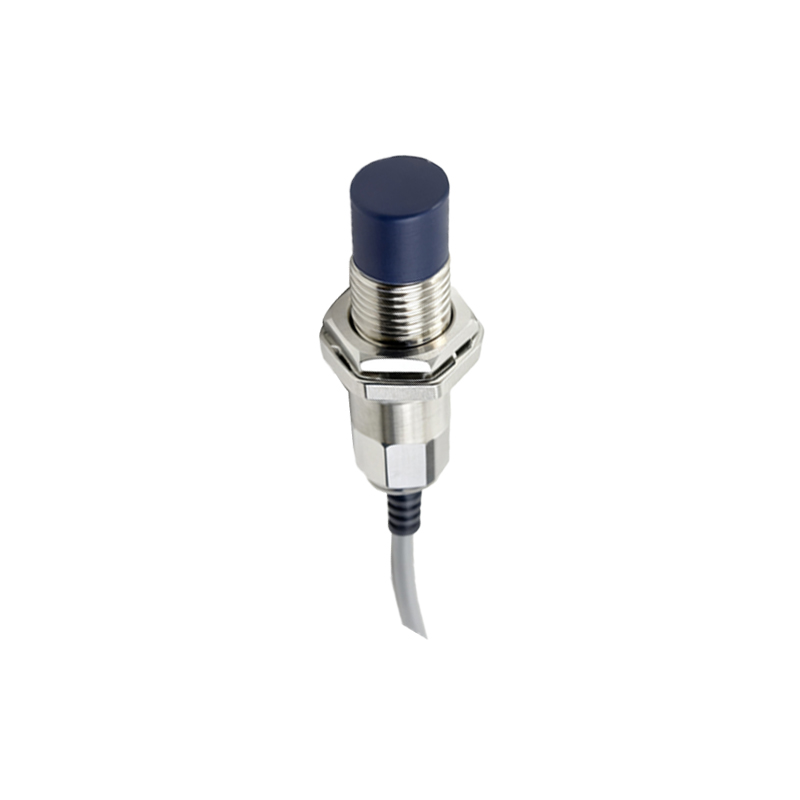
Correct wiring is paramount for safe and reliable operation. The PRT12-4D0 typically employs a standard 3-wire configuration. The three leads are color-coded: brown wire connects to the positive DC supply voltage (V+), blue wire connects to the negative DC supply or common (0V), and the black wire is the switched output signal line. For the normally open (NO) version, when no target is present, the output (black wire) is in a high-impedance state (off). When a valid target is detected within range, the PNP transistor activates, connecting the black wire to the positive supply, thus "sourcing" current to the load, which is connected between the black wire and ground.
Environmental Ratings and Housing Characteristics
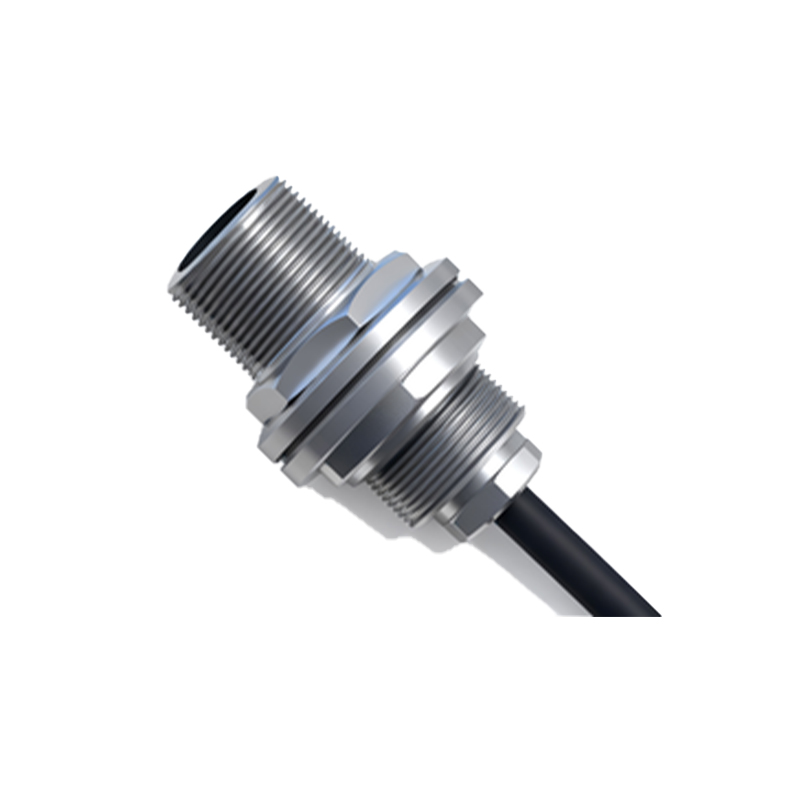
Constructed for industrial durability, the PRT12-4D0 sensor body is usually made of nickel-plated brass or stainless steel, with the sensing face comprised of a rugged polymer material. It boasts a high Ingress Protection (IP) rating, such as IP67, meaning it is dust-tight and can withstand temporary immersion in water. The operating temperature range is typically between -25°C to +70°C, allowing deployment in a wide array of factory and outdoor settings. It is also designed to be resistant to common industrial contaminants like cutting oils, coolants, and mild chemical splashes.
Application Scenarios in Automation Systems
The PRT12-4D0 finds extensive use across various automation domains. Common applications include position verification in assembly lines, such as confirming a part is present in a fixture or a robot has picked up a component. It is ideal for end-of-travel detection on linear actuators or cylinders, providing a precise signal without physical contact and wear. In material handling, it can count metallic objects on a conveyor or detect the presence of a metal pallet. Its robust design also makes it suitable for machine tooling applications for tool breakage detection or monitoring workpiece position.
Installation Considerations and Best Practices
Proper installation maximizes sensor performance and lifespan. It is critical to respect the recommended flush-mounting conditions; most cylindrical sensors like the PRT12-4D0 can be flush-mounted in metal without a reduction in sensing range. If non-flush mounting is required, maintaining adequate clearance from surrounding metal is necessary to avoid false triggering. The sensing axis should be aligned correctly with the target's approach path. Engineers must also ensure that only the specified target material and size are used for reliable detection, as different metals and smaller targets can reduce the effective sensing range.
Troubleshooting Common Operational Issues
When a PRT12-4D0 sensor malfunctions, a systematic approach is required. First, verify the power supply voltage and polarity at the sensor leads. Next, check the load connected to the output for proper wiring and ensure it does not exceed the sensor's current rating. Use a multimeter to monitor the output voltage state with and without a target present. Frequent false triggers may indicate electrical