Introduction to Photoelectric Sensor Housings
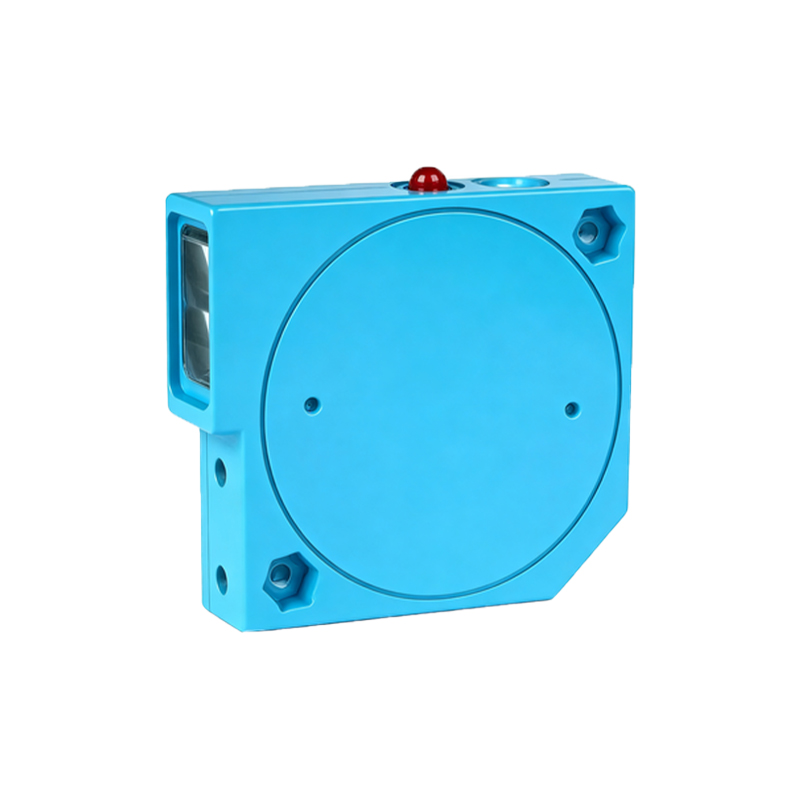
The photoelectric sensor housing is far more than a simple protective shell; it is a critical component that ensures the reliability, accuracy, and longevity of the sensor itself. These housings are engineered to shield sensitive internal electronics from environmental hazards such as dust, moisture, chemical exposure, and physical impact. The material selection, geometric design, and manufacturing precision of the housing directly influence the sensor's performance in demanding industrial applications. As automation and Industry 4.0 standards evolve, the requirements for sensor housings have become increasingly stringent, necessitating a meticulous approach to their design and production. The mold opening process is the pivotal first step in translating a precise digital design into a tangible, high-quality physical component that meets all functional and durability specifications.
Critical Design Considerations for the Mold
Before any steel is cut, comprehensive design analysis is paramount. The housing design must account for several interdependent factors. Wall thickness uniformity is essential to prevent defects like sink marks or warpage during the injection molding process. Draft angles must be incorporated on all vertical faces to facilitate the ejection of the part from the mold cavity without causing drag marks or damage. The placement and design of ribs, bosses, and mounting features require careful finite element analysis (FEA) to ensure structural integrity without adding unnecessary mass or complexity. Furthermore, the design must integrate sealing surfaces for gaskets or O-rings, cable entry points with appropriate strain relief, and optical windows with the required clarity and scratch resistance. Each of these elements must be optimized for manufacturability to ensure a smooth and cost-effective molding process.
Material Selection for Housing and Mold
The choice of material for the sensor housing dictates many aspects of the mold design. Engineering plastics like Polyamide (PA, Nylon), Polycarbonate (PC), Polybutylene Terephthalate (PBT), and Polyphenylene Sulfide (PPS) are common due to their excellent mechanical properties, dimensional stability, and resistance to chemicals and high temperatures. The selected thermoplastic influences the mold's required thermal management system, as each material has a specific melting and cooling profile. For the mold itself, the steel grade is selected based on production volume and housing material. For high-volume runs of abrasive plastics, premium hardened steels like H13 or stainless steels are used to ensure mold longevity and consistent part quality. For prototypes or lower volumes, pre-hardened steels like P20 may be sufficient. Surface treatments, such as nitriding or chrome plating, are often applied to core and cavity surfaces to enhance wear resistance and corrosion protection.
The Step-by-Step Mold Opening Process
The mold opening process is a sequence of precision machining operations. It begins with the procurement of a solid block of mold steel. Using CNC milling machines, the rough shape of the cavity and core is carved out. This is followed by high-precision machining, including Electrical Discharge Machining (EDM), to create intricate details, sharp corners, and textured surfaces that are impossible to achieve with milling alone. Deep holes for ejector pins, cooling channels, and runner systems are drilled with extreme accuracy. The cooling channel layout is critical and is designed using thermal simulation software to ensure uniform heat extraction, which minimizes cycle time and prevents part distortion. All components, including sliders, lifters, and ejector systems, are then meticulously fitted, polished, and assembled into the mold base. A final series of fit checks and inspections ensures all tolerances are within specification, often measured in microns.
Injection Molding and Quality Assurance
Once the mold is mounted on an injection molding machine, the process of producing housings begins. The plastic resin is heated to a precise temperature, injected under high pressure into the mold cavity, held under pressure to pack the material, and then cooled until solid. Process parameters such as melt temperature, injection speed, holding pressure, and cooling time are rigorously optimized and controlled. The first articles produced undergo a First Article Inspection (FAI), which involves comprehensive dimensional checks using Coordinate Measuring Machines (CMM), visual inspection for surface defects, and functional tests for fit with internal components. Statistical Process Control (SPC) methods are employed throughout the production run to monitor key parameters and ensure consistent, high-quality output. Any deviation triggers an immediate root-cause analysis to maintain zero-defect standards.
Overcoming Common Challenges in Production
Several challenges can arise during the production of photoelectric sensor housings. Flash, or excess material at the parting line, can occur due to excessive injection pressure or mold wear. Sink marks may appear on thick sections if cooling is insufficient. Warpage can result from uneven cooling or internal stresses within the part. Addressing these issues requires a systematic approach, often involving adjustments to the molding process parameters (e.g., temperature, pressure, time) or, in persistent cases, modifications to the mold itself. This could involve adjusting the cooling channel flow, polishing specific areas to improve material flow, or re-machining certain features. Effective communication between the mold maker, molder, and sensor design engineer is crucial for rapid problem-solving and ensuring the final product meets all optical, mechanical, and environmental sealing requirements.
Conclusion and Future Trends
The successful opening of a mold for a photoelectric sensor housing is a complex engineering endeavor that blends material science, precision mechanics, and process control. It is the foundation for producing reliable sensors that form the backbone of modern industrial automation. Looking forward, trends such as the use of additive manufacturing (3D printing) for creating conformal cooling channels within molds are gaining traction, promising even better thermal management and shorter cycle times. Furthermore, the integration of IoT sensors within the molding machines themselves allows for predictive maintenance of the mold and real-time quality monitoring, pushing the boundaries of precision and efficiency in sensor housing manufacturing. A deep understanding of this entire process is indispensable for electrical engineers specifying and integrating these critical components into robust automated systems.