Introduction to Proximity Sensing Technology
Proximity switches and distance sensors are fundamental components in modern industrial automation, providing non-contact detection and measurement capabilities. These devices are engineered to detect the presence, absence, or position of an object without any physical contact, thereby eliminating mechanical wear and enabling high-speed, reliable operations. The core principle involves generating an electromagnetic field, ultrasonic waves, or a beam of light and monitoring changes caused by a target object's intrusion into this field. This technology is indispensable across various sectors, including manufacturing, packaging, automotive, and material handling, where precision, durability, and repeatability are paramount. The selection between a simple proximity switch for object detection and a more sophisticated distance sensor for precise measurement is a critical decision in system design.
Key Types and Operating Principles
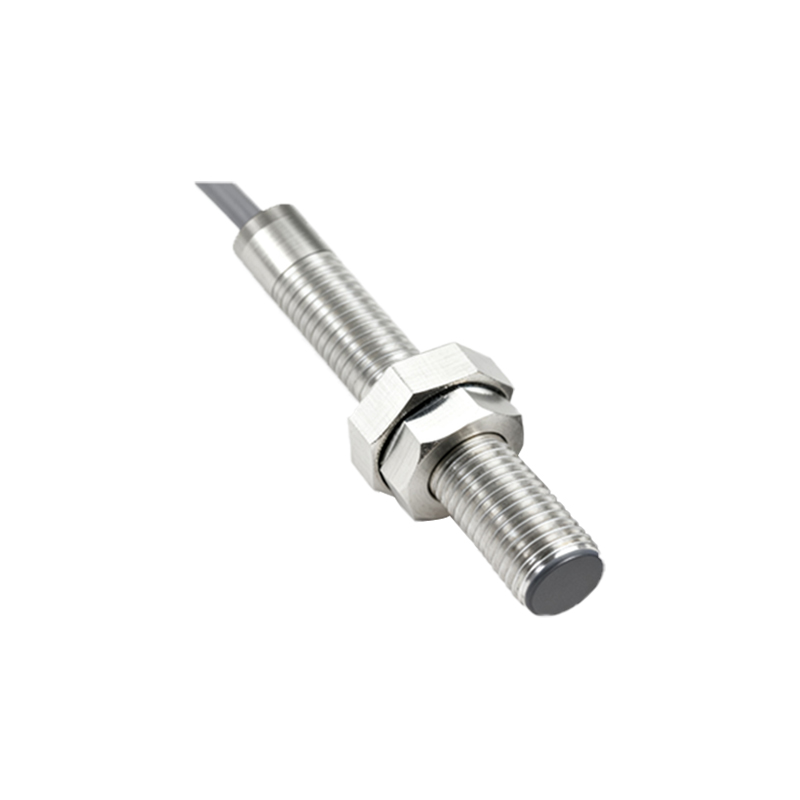
Several primary technologies dominate the market, each with distinct advantages. Inductive proximity switches are the most common, generating an oscillating electromagnetic field to detect metallic objects. They are robust, cost-effective, and ideal for harsh environments. Capacitive sensors can detect both metallic and non-metallic materials (like plastics, wood, or liquids) by measuring changes in capacitance. Ultrasonic sensors calculate distance by emitting sound waves and measuring the time for the echo to return, making them excellent for detecting objects of varying colors and surfaces over longer ranges. Photoelectric sensors use a light beam (visible, infrared, or laser) and are versatile for long-range detection and precise positioning. Finally, Magnetic proximity switches, or reed switches, activate in the presence of a magnetic field, often used for door and cylinder position sensing.
Critical Selection Criteria for Engineers
Choosing the correct sensor requires a detailed analysis of the application parameters. The sensing range, defined as the maximum distance at which the sensor can reliably detect a standard target, is a primary consideration. Environmental factors are equally crucial; engineers must account for temperature extremes, potential exposure to chemicals, oils, or coolants, and the presence of dust or steam. The sensor's housing material, typically nickel-plated brass, stainless steel, or PBT plastic, must be compatible with these conditions. Electrical output type (PNP/NPN, analog, IO-Link) and connection method (pre-wired cable or quick-disconnect) must integrate seamlessly with the existing control system, such as a PLC. Other factors include switching frequency, repeat accuracy, and the target object's size, material, and shape.
Installation and Configuration Best Practices
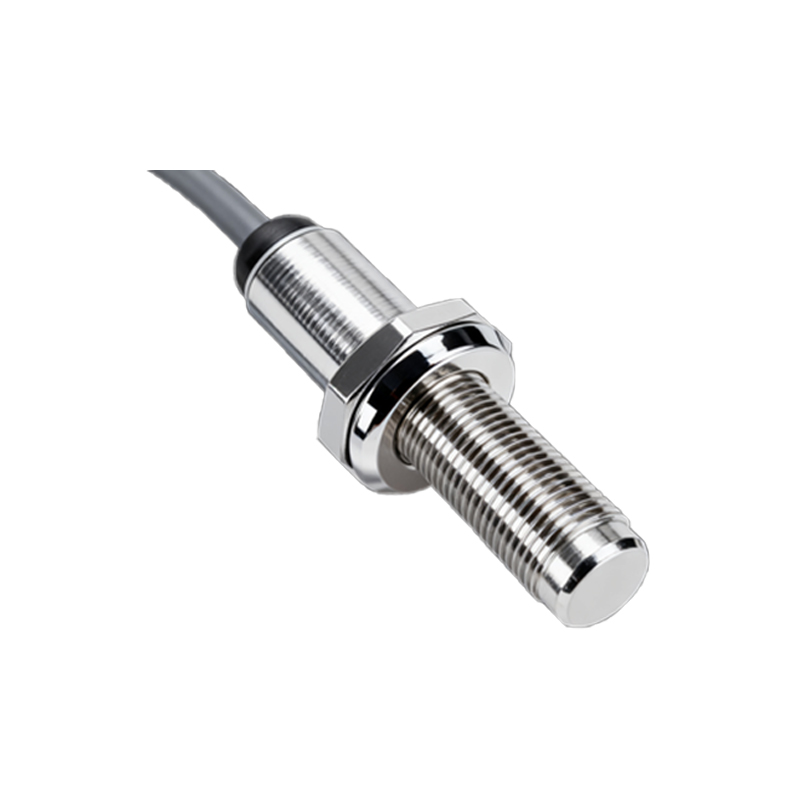
Proper installation is vital for optimal performance and longevity. A primary rule is to ensure adequate clearance around the sensor's sensing face; metallic objects or other sensors in close proximity can cause interference or false triggering, known as the "mutual interference" effect. For flush-mountable sensors, embedding them in metal is possible, while non-flush types require a specific free space around them. Correct alignment with the target path is essential, especially for photoelectric and ultrasonic types. Electrical wiring must follow manufacturer guidelines, paying close attention to polarity, load current, and the use of surge protection devices in circuits with inductive loads like relays or solenoids. Many modern sensors feature built-in LED indicators for diagnostic purposes, simplifying commissioning and troubleshooting.
Advanced Features and Industry 4.0 Integration
The evolution of Industry 4.0 and the Industrial Internet of Things (IIoT) has propelled sensor technology beyond simple switching. Modern intelligent sensors offer analog output (4-20 mA, 0-10V) that provides continuous distance information, enabling precise monitoring of parameters like roll diameter or fill level. IO-Link communication has become a game-changer, turning standard sensors into smart devices. IO-Link allows for remote parameter setting, real-time diagnostic data transmission (e.g., operating hours, temperature warnings, signal strength), and condition monitoring, facilitating predictive maintenance strategies. This digital integration minimizes downtime, simplifies device replacement, and provides valuable data for optimizing entire production processes.
Common Applications and Problem-Solving
The applications are vast and varied. Inductive sensors count metal parts on a conveyor or confirm the position of a robotic arm. Capacitive sensors control liquid levels in non-metallic tanks or detect filled packages on a production line. Ultrasonic sensors are used in palletizing robots to measure stack height or in agriculture to monitor grain silo levels. Photoelectric sensors ensure correct label placement on bottles or break detection on winding machines. Common challenges include false triggers from environmental contaminants, which can be mitigated by selecting sensors with appropriate ingress protection (IP) ratings. For detecting small or fast-moving objects, a sensor with a high switching frequency and a focused sensing field is necessary. Understanding these practical scenarios is key to robust system design.