Introduction to Proximity Sensors in CNC Lathes
Proximity sensors are critical components in modern CNC lathes, serving as non-contact detection devices that monitor the position of tools, workpieces, and machine parts. These sensors operate by emitting an electromagnetic field or beam and detecting changes caused by nearby objects, enabling precise control without physical contact. In CNC machining, where accuracy and repeatability are paramount, proximity sensors help prevent collisions, ensure proper alignment, and optimize operational efficiency. Their integration into lathe systems reduces downtime and enhances safety, making them indispensable in high-precision manufacturing environments.
Types of Proximity Sensors Used in CNC Applications
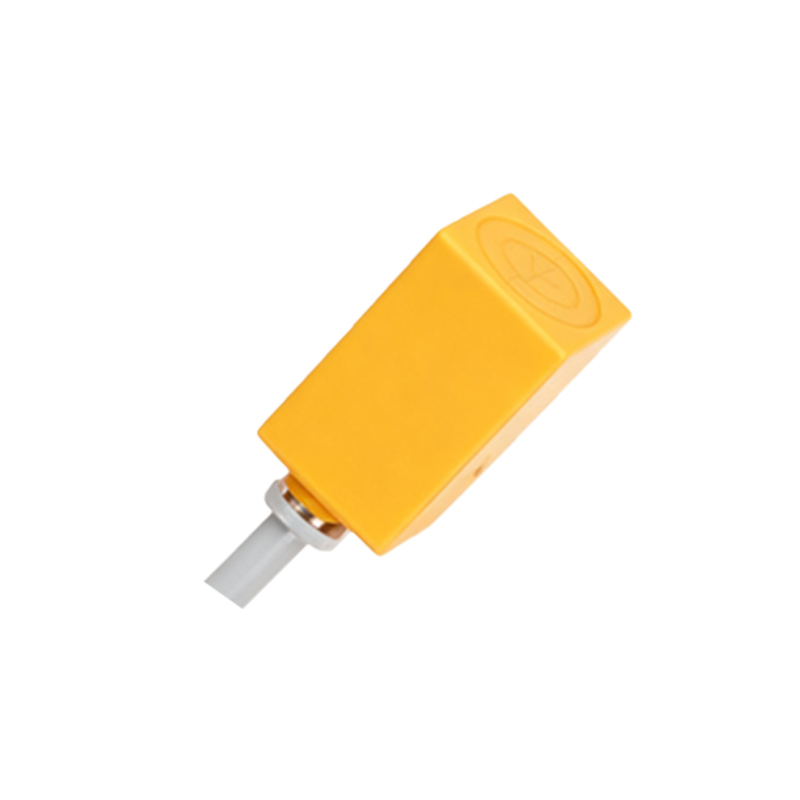
Several types of proximity sensors are employed in CNC lathes, each suited to specific tasks. Inductive sensors are common for detecting metallic objects, utilizing electromagnetic induction to sense ferrous materials like steel or iron. Capacitive sensors can detect both metallic and non-metallic objects by measuring changes in capacitance, ideal for monitoring materials such as plastics or liquids. Ultrasonic sensors use sound waves to gauge distance and are effective in dusty or humid conditions, while photoelectric sensors rely on light beams for detection, offering high speed and long-range capabilities. The choice depends on factors like material composition, environmental conditions, and required precision.
Key Functions and Benefits in CNC Lathe Operations
Proximity sensors perform vital functions in CNC lathes, including tool positioning, workpiece detection, and limit switching. By accurately sensing the presence of tools or components, they enable automated tool changes and prevent errors that could lead to machine damage. Benefits include improved accuracy, with tolerances often within micrometers, and enhanced reliability due to reduced mechanical wear from non-contact operation. Additionally, these sensors contribute to energy efficiency by activating machine components only when needed, lowering operational costs and extending equipment lifespan. Their real-time feedback supports adaptive control systems, allowing for dynamic adjustments during machining processes.
Installation and Calibration Best Practices
Proper installation and calibration are essential for optimal sensor performance in CNC lathes. Sensors should be mounted securely to avoid vibrations that could affect readings, with careful consideration of distance and alignment relative to target objects. Calibration involves setting sensitivity thresholds to minimize false triggers from environmental interference, such as electrical noise or temperature fluctuations. Regular maintenance, including cleaning sensor surfaces and checking wiring connections, ensures consistent operation. Engineers should follow manufacturer guidelines and use diagnostic tools to verify signal integrity, as even minor misalignments can compromise machining accuracy and lead to production defects.
Common Challenges and Troubleshooting Tips
Despite their reliability, proximity sensors in CNC lathes may face challenges like signal interference, material incompatibility, or mechanical misalignment. Electrical noise from motors or power sources can disrupt sensor signals, requiring shielded cables or filters for mitigation. In cases where sensors fail to detect objects, checking for debris buildup or recalibrating sensitivity settings often resolves issues. For false triggers, verifying environmental factors like humidity or nearby metallic objects is crucial. Troubleshooting should involve systematic testing with multimeters or oscilloscopes to isolate faults, and replacing worn sensors promptly to avoid costly downtime in high-volume production settings.
Future Trends and Technological Advancements
The evolution of proximity sensors in CNC lathes is driven by advancements in smart manufacturing and Industry 4.0. Emerging trends include the integration of IoT connectivity, enabling sensors to transmit data for predictive maintenance and real-time analytics. Miniaturized sensors with higher resolution are becoming more prevalent, allowing for finer precision in compact lathe designs. Additionally, developments in materials science are enhancing sensor durability in harsh environments, such as those with extreme temperatures or corrosive substances. As AI and machine learning algorithms are incorporated, sensors will likely offer adaptive learning capabilities, further optimizing machining processes and reducing human intervention for autonomous operations.