Introduction to Sensor Technology
In the realm of automation and smart devices, sensors act as the fundamental sensory organs, enabling machines to perceive and interact with their environment. Among the diverse array of sensors available, proximity sensors and light sensors are two critical categories that have become ubiquitous in both industrial and consumer applications. While their names suggest distinct functions—detecting the presence of nearby objects and measuring light intensity, respectively—their roles often intertwine in sophisticated systems. This article delves into the core functions, operational principles, and real-world applications of these essential electronic components, providing a clear understanding of what they do and why they are indispensable.
What is a Proximity Sensor?
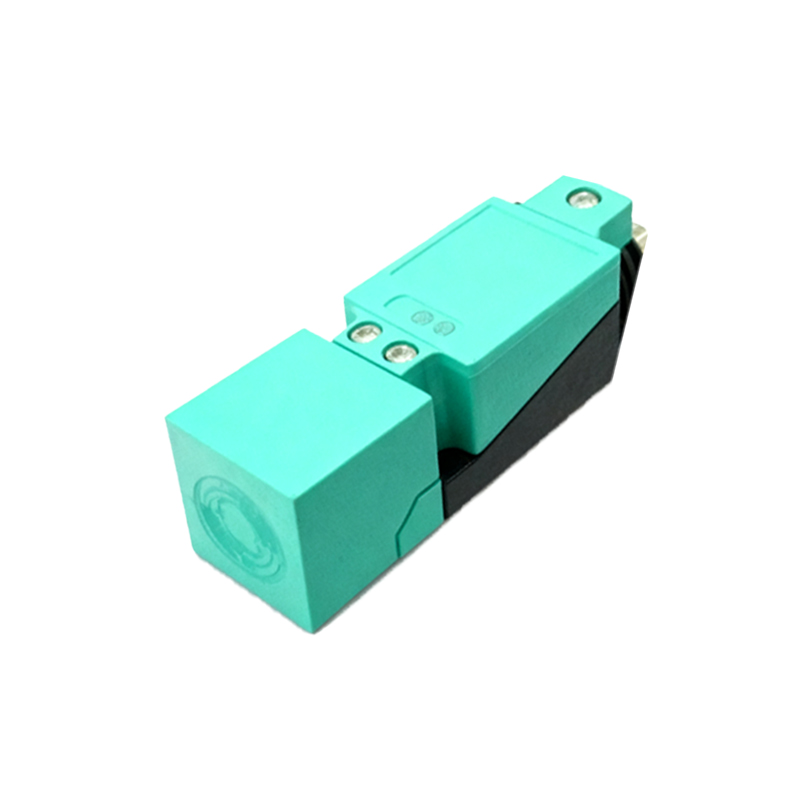
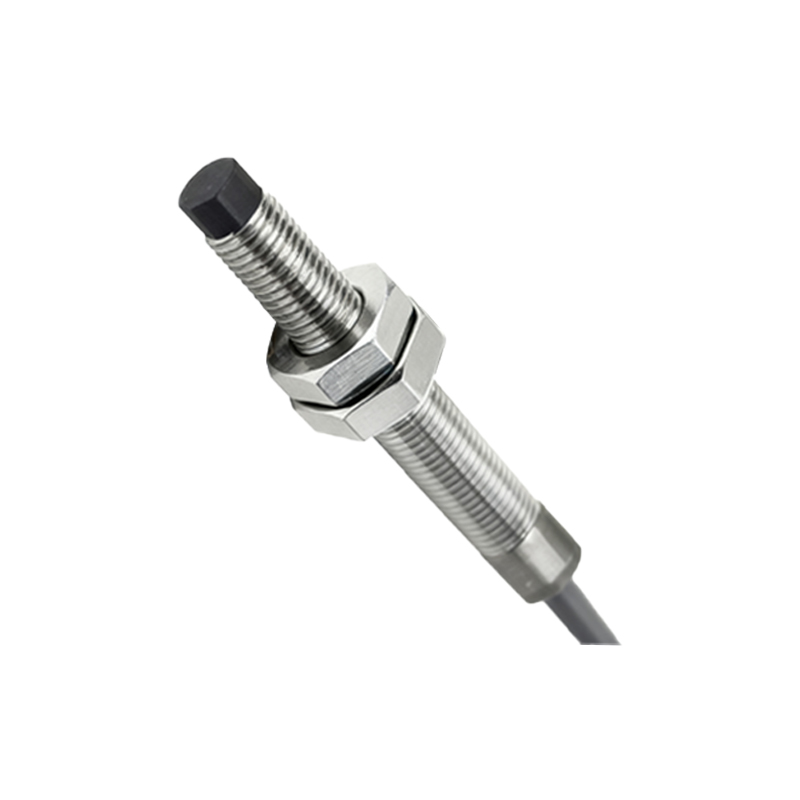
A proximity sensor is a device that detects the presence or absence of an object within a specified range without any physical contact. It achieves this by emitting an electromagnetic field or a beam of electromagnetic radiation, such as infrared light, and then looking for changes in the field or return signal. The primary function is to determine if an object is "near" or "far." These sensors are widely valued for their reliability, long operational life, and ability to function in harsh environments where physical contact is impractical or damaging. Common types include inductive sensors (for detecting metals), capacitive sensors (for detecting both metals and non-metals), ultrasonic sensors, and photoelectric sensors which use light beams.
What is a Light Sensor?
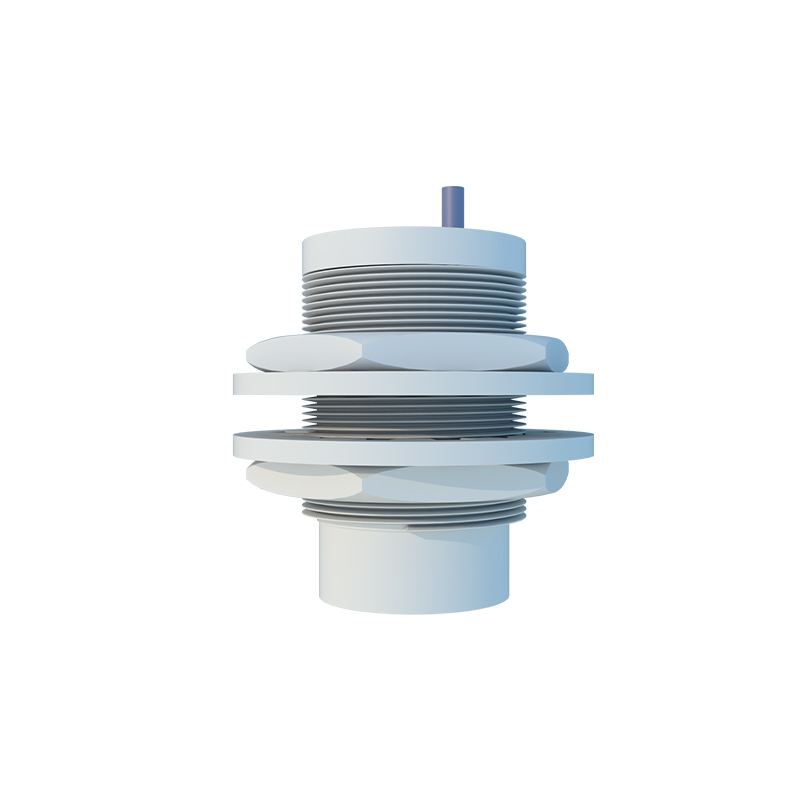
A light sensor, or photosensor, is designed to measure the intensity of ambient light. Its core function is to convert light energy into an electrical signal. The most common type is the photoresistor (LDR - Light Dependent Resistor), whose resistance decreases with increasing light intensity. Other types include photodiodes and phototransistors, which offer faster response times. The primary job of a light sensor is to provide data about lighting conditions, enabling automatic adjustments in a system. This simple function forms the basis for numerous automated features that enhance energy efficiency, user comfort, and device functionality.
Core Functions and How They Work
The function of a proximity sensor is fundamentally about presence detection and distance measurement. An inductive proximity sensor, for instance, generates an oscillating electromagnetic field. When a metallic object enters this field, it induces eddy currents in the object, which in turn dampens the sensor's oscillation amplitude, triggering a detection signal. A photoelectric proximity sensor works by projecting a light beam (often infrared) towards a target; a receiver detects the reflected beam. Interruption or reflection of this beam indicates an object's presence. In contrast, a light sensor's function is purely to quantify light levels. A photodiode generates a current proportional to the incident light flux due to the photoelectric effect. This analog signal is then processed by a circuit to provide a usable digital reading.
Key Applications in Consumer Electronics
These sensors are integral to the seamless operation of everyday devices. In smartphones, a proximity sensor (often an infrared LED and receiver) detects when the phone is held to the user's ear during a call. It automatically turns off the display to prevent accidental touch inputs and saves power. Simultaneously, an ambient light sensor in the phone measures the surrounding brightness and automatically adjusts the screen's backlight intensity. This dual function optimizes both power consumption and readability under varying light conditions, from bright sunlight to a dark room. Tablets, laptops, and smart TVs utilize similar light-sensing capabilities for display management.
Industrial and Automation Applications
In industrial settings, the functions of these sensors are critical for safety, efficiency, and precision. Proximity sensors are workhorses on assembly lines, used for object counting, position verification, and limit switching. For example, an inductive sensor can detect the presence of a metal component on a conveyor belt, triggering the next step in the assembly process. Light sensors are employed in automated lighting systems for warehouses and factories, turning lights on only when sufficient ambient light is absent, leading to significant energy savings. They are also used in quality control, inspecting products for consistent color or detecting labels on packaging.
Integration in Automotive Systems
Modern vehicles heavily rely on both sensor types for advanced features and safety. Proximity sensors, typically ultrasonic or radar-based, are the core of parking assist systems, detecting obstacles around the vehicle's bumper and providing audible or visual warnings to the driver. More advanced systems use them for blind-spot detection and automatic emergency braking. Light sensors serve the automatic headlight control function, turning headlights on at dusk or when entering a tunnel. They also control the automatic dimming of interior dashboard lights and rearview mirrors to enhance night-driving comfort and safety.
Emerging Roles in Smart Infrastructure
The evolution of smart