Introduction to Fixed Proximity Sensors
Fixed proximity sensors are indispensable components in modern industrial automation. Unlike their adjustable counterparts, these sensors are pre-set at the factory to detect objects within a specific, unchanging range. This inherent reliability and consistency make them the preferred choice for high-volume manufacturing lines, packaging machinery, and safety systems where repeatability is paramount. They operate on various principles, including inductive, capacitive, ultrasonic, and photoelectric technologies, each suited to different materials and environmental conditions. The core value proposition of a fixed proximity sensor lies in its set-and-forget installation, reducing commissioning time and minimizing human error in calibration.
Leading Companies and Their Technological Edge
The market for fixed proximity sensors is dominated by several established global players, each contributing unique innovations. Companies like Sick AG and Pepperl+Fuchs are renowned for their rugged inductive and capacitive sensors designed for harsh environments, featuring high immunity to electromagnetic interference and extreme temperatures. Omron Corporation excels in miniaturization and high-speed detection, crucial for electronics assembly. Balluff GmbH is a leader in IO-Link enabled smart sensors that facilitate predictive maintenance. IFM Electronic stands out with its comprehensive range and user-friendly diagnostic capabilities. These companies invest heavily in R&D to enhance sensing distances, switching frequency, and housing materials, ensuring their products meet the evolving demands of Industry 4.0 and smart factories.
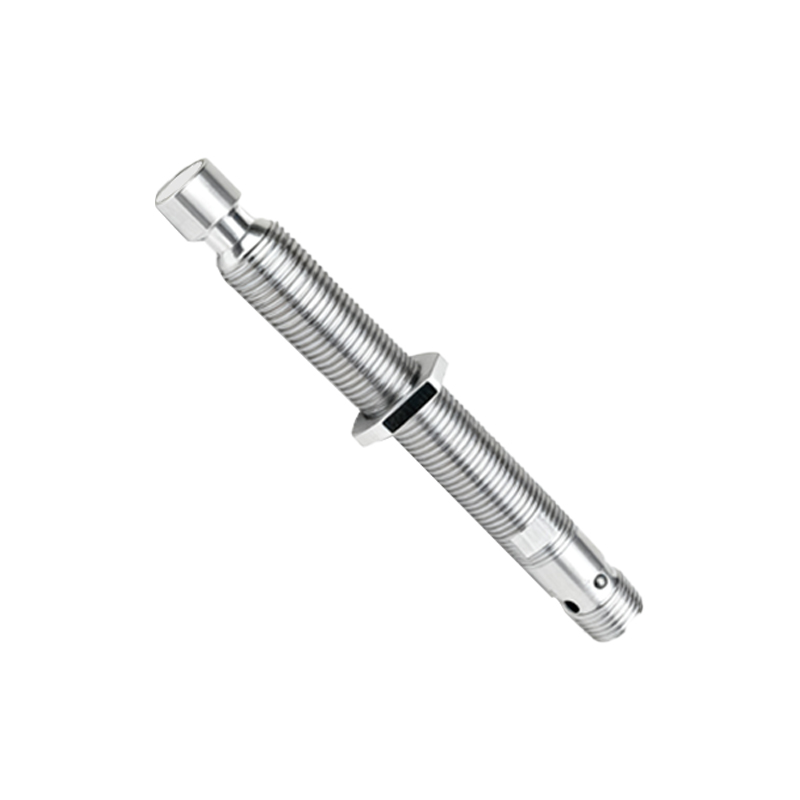
Key Applications Across Industries
The application spectrum for fixed proximity sensors is vast. In automotive manufacturing, they are used for precise position detection of robots and parts on assembly lines. In food and beverage processing, stainless steel, washdown-rated sensors monitor fill levels and cap placement. Within material handling and logistics, they detect the presence of packages on conveyors and position pallets for robotic pickers. A critical safety application is in machine guarding, where sensors form part of a safety light curtain to protect personnel. Their robustness allows them to function reliably in environments filled with dust, moisture, or vibrations, where other sensing methods might fail.
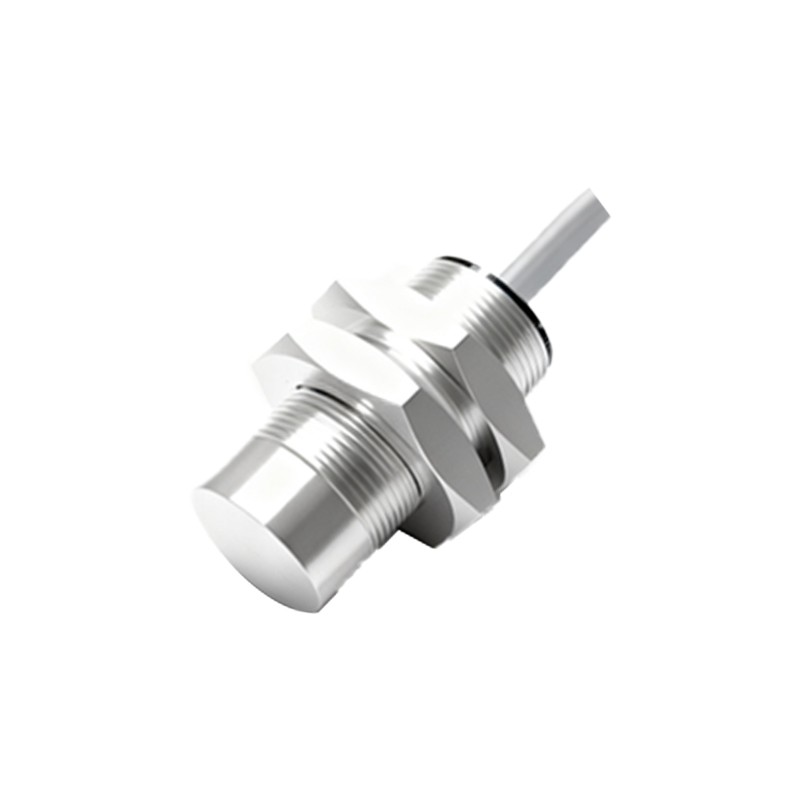
Selection Criteria and Integration
Choosing the right fixed proximity sensor requires careful analysis of several parameters. The sensing distance, or nominal range, is the primary specification. The target material dictates the technology: inductive for metals, capacitive for non-metals or liquids, and photoelectric for long-range or color detection. Environmental factors such as ambient temperature, potential chemical exposure, and required ingress protection (IP) rating are crucial. Electrical output type (PNP/NPN, analog, or IO-Link) must match the control system. Leading companies provide detailed datasheets, selection software, and engineering support to ensure seamless integration into both new and existing control architectures, such as PLCs and PACs.
Future Trends and Market Outlook
The future of fixed proximity sensors is tightly interwoven with the growth of industrial IoT. The integration of advanced diagnostics and communication protocols like IO-Link is transforming simple sensors into intelligent data points. This enables condition monitoring, allowing for predictive maintenance rather than reactive repairs. Furthermore, there is a continuous push towards smaller form factors without sacrificing performance, enabling their use in compact machinery. Enhanced sensing technologies are also emerging to reliably detect challenging materials like transparent films or dark objects. As automation expands into new sectors, the demand for reliable, smart, and versatile fixed proximity sensors from these specialized companies is projected to see sustained growth.