Introduction to German Photoelectric Sensor Technology
Germany stands as a global powerhouse in industrial automation and sensor technology. At the heart of countless manufacturing and logistics processes are photoelectric sensors, devices where German engineering truly shines. These sensors, which use light beams to detect the presence, absence, or distance of objects, are critical for ensuring precision, efficiency, and safety in automated systems. German manufacturers are renowned for pushing the boundaries in this field, developing sensors that offer exceptional reliability, even in the harshest industrial environments. The commitment to Forschung und Entwicklung (research and development) is a key driver, resulting in products that set international standards for quality and performance. From the automotive lines of Bavaria to the pharmaceutical cleanrooms, German photoelectric sensors are a ubiquitous and trusted component.
Core Principles and Advanced Variants
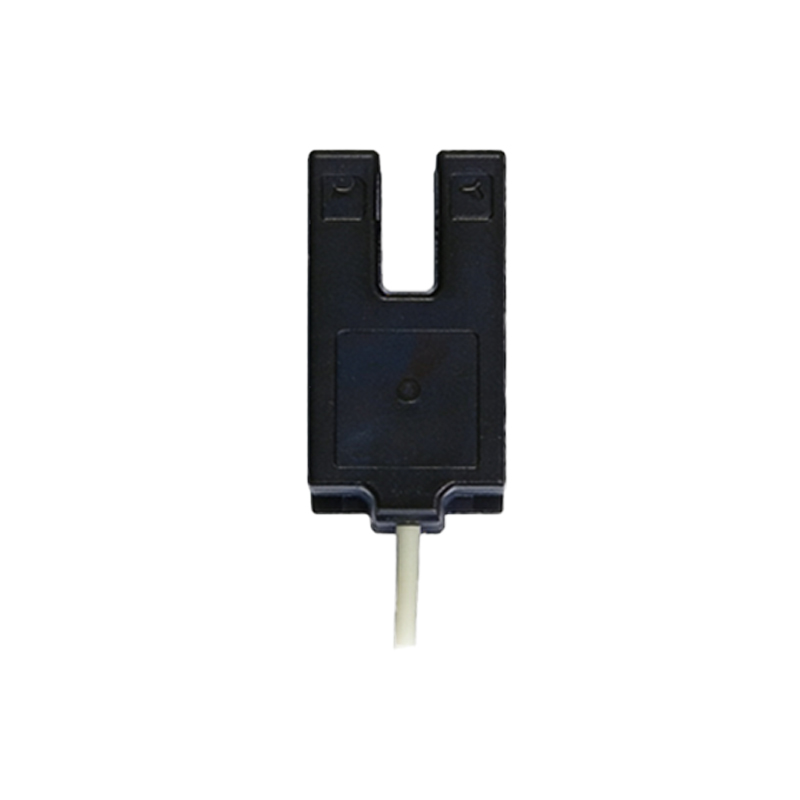
The fundamental operation of a photoelectric sensor involves an emitter (light source) and a receiver. The sensor detects changes in the received light signal caused by an object interrupting or reflecting the beam. German engineering excels in refining these principles. Key types include through-beam sensors, where the emitter and receiver are separate units offering the longest sensing ranges and highest reliability; retro-reflective sensors, which use a reflector to bounce the beam back to a combined unit; and diffuse reflective sensors, where the target object itself reflects the light back to the receiver. Furthermore, German companies are leaders in advanced variants like background suppression sensors, which can ignore objects beyond a set distance, and color contrast sensors, capable of distinguishing subtle differences in color or grayscale, essential for quality control.
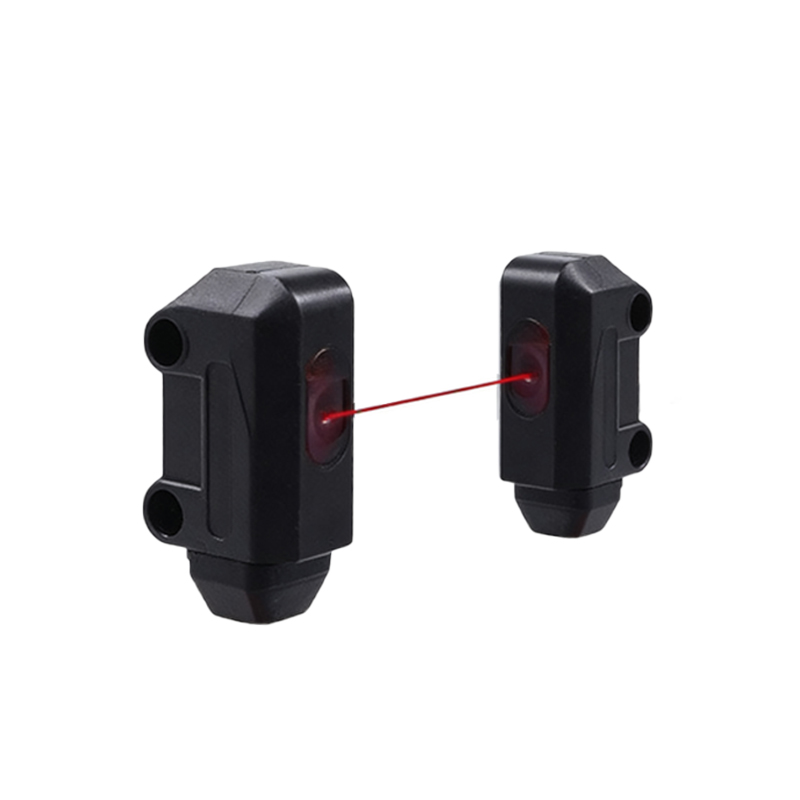
Unmatched Precision and Robust Design
Precision is non-negotiable in German engineering. Photoelectric sensors from Germany are designed with meticulous attention to detail, offering high repeat accuracy and minimal hysteresis. This means they can detect objects consistently at the exact same position, cycle after cycle, which is vital for high-speed assembly and packaging applications. Equally important is robustness. These sensors are built to withstand extreme conditions—be it intense vibration on a production line, temperature fluctuations, exposure to oils and coolants, or high-pressure washdowns in food and beverage plants. Housing materials like stainless steel V4A (AISI 316L) and advanced sealing techniques (often achieving IP67, IP68, or IP69K ratings) ensure longevity and reduce downtime, a critical factor for Industrie 4.0 smart factories.
Innovation and Smart Sensor Features
Innovation is continuous. Modern German photoelectric sensors are increasingly "smart." They integrate advanced functionalities such as IO-Link communication, which allows for parameter setting, real-time diagnostics, and process data reporting directly into the control system. This enables predictive maintenance, as the sensor can report diminishing signal strength or lens contamination before a failure occurs. Laser-based sensors offer extremely small, precise spot sizes for detecting minute objects or precise edge detection. Furthermore, innovations in light sources, such as the use of polarized light to solve challenging reflective surface detection or robust LED technology for long service life, are hallmarks of German R&D. These features transform simple detection devices into intelligent data points within the digital production ecosystem.
Application Across Key German Industries
The versatility of German photoelectric sensors is proven across the nation's flagship industries. In the automotive sector, they are indispensable for robot guidance, part verification, and weld seam monitoring. In logistics and packaging, they count, sort, and control the flow of goods on high-speed conveyors. In the pharmaceutical industry, they ensure precise filling levels and correct labeling on blister packs under strict hygiene standards. The food and beverage industry relies on them for bottle fill-level control, cap detection, and packaging integrity checks. This broad applicability is supported by a vast portfolio of sensor shapes, sizes, and specialized models designed for niche applications, ensuring there is a precise solution for every challenge.
The Future: Integration and Sustainability
The future trajectory of German photoelectric sensor technology is clear: deeper integration and enhanced sustainability. Sensors will become even more interconnected, providing not just binary signals but rich, contextual data for digital twins and AI-driven process optimization. Energy efficiency is also a growing focus, with designs consuming less power without compromising performance. Furthermore, the principles of the circular economy are influencing design, with an emphasis on durability, repairability, and the use of recyclable materials. As Germany advances its climate and digitalization goals, its photoelectric sensor industry is poised to deliver the intelligent, efficient, and sustainable sensing solutions that will define the next generation of global manufacturing.