Introduction to Photoelectric Sensors
Photoelectric sensors are indispensable components in modern industrial automation, utilizing light beams to detect the presence, absence, or distance of objects. In the heart of China's manufacturing powerhouse, Guangzhou's Panyu district has emerged as a significant hub for the development and production of these critical devices. The region's manufacturers specialize in creating sensors that offer high precision, reliability, and adaptability to harsh industrial environments. From simple through-beam sensors to complex background suppression and color recognition models, Panyu's industry caters to a global demand for smarter, more efficient automation solutions. The integration of advanced optics and electronics here drives innovation, making these sensors faster and more accurate than ever before.
Core Technologies and Operating Principles
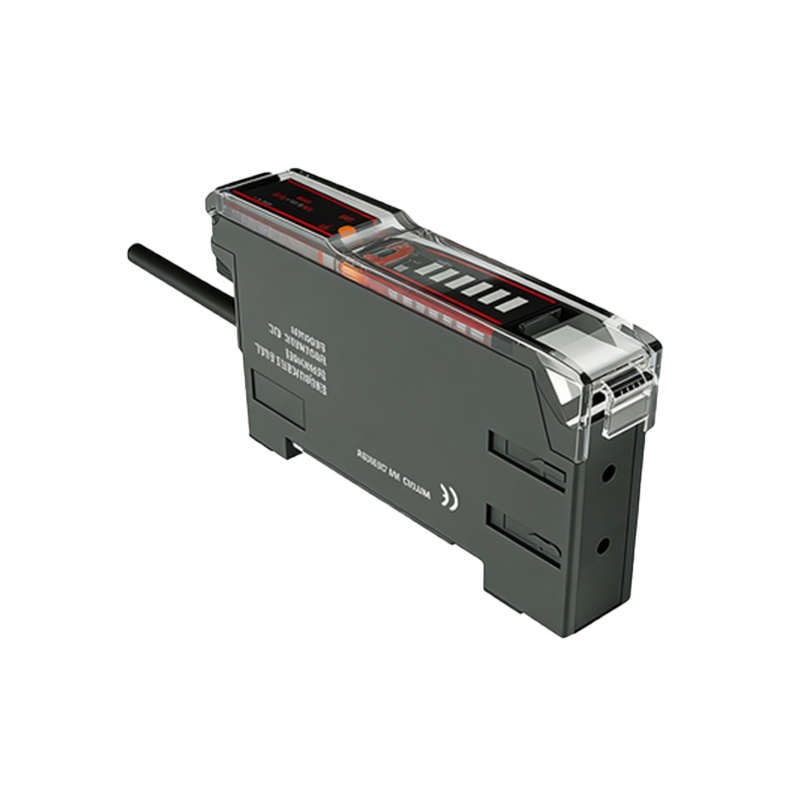
The fundamental operation of a photoelectric sensor involves three key elements: an emitter (light source), a receiver, and a signal converter. Common light sources include LEDs, often red, infrared, or laser, chosen for their longevity and stability. The receiver, typically a phototransistor or photodiode, detects the emitted light. Detection occurs through one of three primary methods. The through-beam type uses separate units for emitter and receiver, offering the longest sensing range and highest reliability. The retro-reflective type uses a single unit and a reflector, while the diffuse reflective type detects light reflected directly from the target object itself. Panyu-based engineers continuously refine these principles, incorporating modulated light signals to combat ambient light interference and digital signal processing for enhanced performance.
Key Product Categories from Panyu Manufacturers
Manufacturers in Panyu produce a diverse portfolio to meet varied application needs. Standard diffuse sensors are workhorses for general object detection. Background suppression sensors are engineered to ignore objects beyond a set distance, perfect for detecting objects on conveyors regardless of color or reflectivity. Contrast sensors detect marks or print on surfaces by measuring the difference in reflectivity. Color sensors distinguish between colors by analyzing the RGB spectrum of reflected light. Furthermore, distance-measuring sensors, using time-of-flight or triangulation principles, provide precise positional data. Each category benefits from Panyu's focused R&D, resulting in compact designs, robust housings (often IP67/IP69K rated), and compatibility with major industrial communication protocols like IO-Link and PROFINET.
Industrial Applications and Use Cases
The applications for Panyu's photoelectric sensors span virtually every industry. In packaging and material handling, they count bottles, detect label positions, and monitor fill levels. Automotive assembly lines rely on them for precise part positioning and robot guidance. In the electronics sector, they verify component placement on PCBs with micron-level accuracy. Logistics and warehousing use them for parcel dimensioning, barcode reading, and automated sorting. Food and beverage plants employ stainless-steel, washdown-rated sensors for hygiene-critical processes. Beyond traditional manufacturing, they are integral to AGV (Automated Guided Vehicle) navigation, security systems for intrusion detection, and even in renewable energy systems for monitoring solar panel alignment.
Advantages of Sourcing from Panyu
Choosing photoelectric sensors from Panyu's supply chain offers distinct competitive advantages. The concentration of specialized component suppliers and skilled labor creates a cost-effective ecosystem without compromising quality. Manufacturers here are highly responsive to market trends, enabling rapid prototyping and customization to solve unique customer challenges. There is a strong emphasis on quality control, with many factories holding ISO 9001 certifications and implementing rigorous testing procedures for shock, vibration, and temperature extremes. Furthermore, the proximity to Guangzhou's major ports facilitates efficient global logistics, ensuring reliable and timely delivery to international partners, which is crucial for maintaining just-in-time production schedules worldwide.
Future Trends and Innovations
The future of photoelectric sensing in Panyu is aligned with Industry 4.0 and smart factory concepts. The next generation of sensors is becoming increasingly intelligent, with embedded diagnostics that predict maintenance needs and communicate performance data directly to central control systems. Miniaturization continues, allowing sensors to fit into ever-tighter spaces. There is also a growing focus on multi-functional sensors that combine photoelectric sensing with other measurement types, such as temperature or pressure. Additionally, the use of new light sources, like blue LEDS for better detection of transparent objects, and advanced algorithms for pattern recognition, are set to further expand the capabilities and applications of sensors originating from this dynamic industrial region.