In the rapidly evolving landscape of industrial automation, the demand for reliable and precise sensing technology has never been higher. Standard proximity sensors, the workhorses of non-contact detection, are at the heart of countless applications, from assembly lines and packaging machinery to robotic systems and material handling. This guide delves into the critical aspects of standard proximity sensor sales, offering industrial buyers a clear roadmap for selecting and sourcing these essential components.
Understanding the core technology is the first step. A standard proximity sensor detects the presence or absence of a target object without physical contact, typically using electromagnetic fields, light, or sound. The most common types are inductive sensors (for detecting metals), capacitive sensors (for detecting both metals and non-metals like liquids or plastics), and photoelectric sensors (using light beams). Each type has distinct advantages, operational ranges, and environmental tolerances. For instance, an inductive sensor is ideal for harsh, dirty environments where metal parts need counting, while a capacitive sensor might be chosen for monitoring fluid levels in a tank.
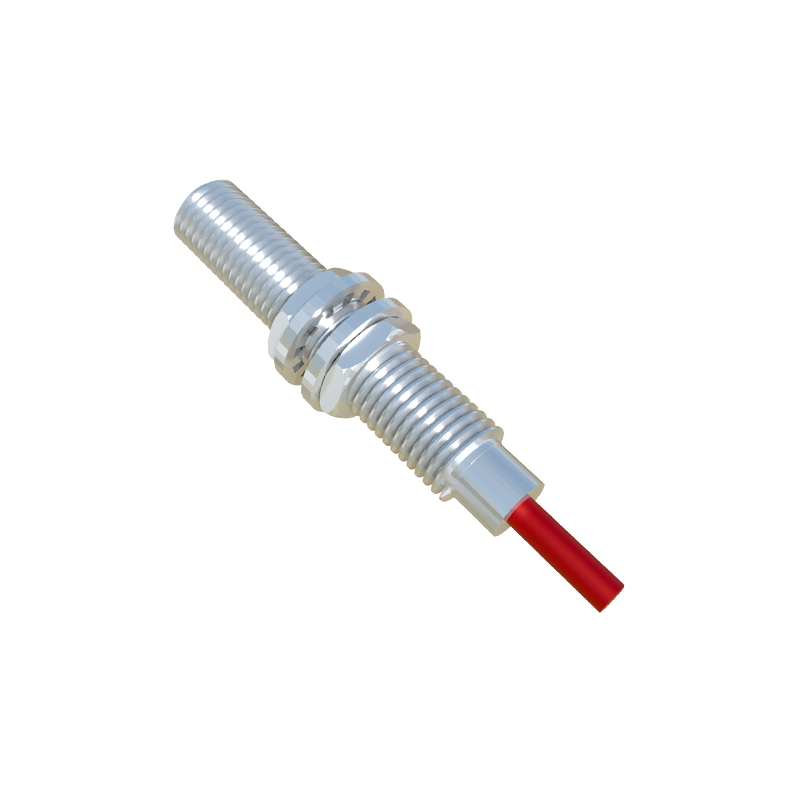
The sales process for these sensors is heavily driven by technical specifications and application suitability. Key parameters buyers must evaluate include sensing distance, response frequency, output type (e.g., NPN/PNP, analog, IO-Link), housing material (often nickel-plated brass or stainless steel for durability), and environmental protection ratings like IP67 or IP69K. A reputable supplier or sales representative doesn't just provide a catalog; they engage in a technical consultation. They will ask detailed questions about the target material, required detection range, installation space constraints, ambient temperature, and potential exposure to chemicals or washdowns. This collaborative approach ensures the selected sensor performs reliably in its intended duty cycle, minimizing downtime and maintenance costs.
The market for standard proximity sensors is vast, with offerings ranging from economical, general-purpose models to highly specialized, precision-engineered units. Major manufacturers have established global sales and distribution networks, ensuring availability and technical support. When evaluating suppliers, buyers should look beyond the initial unit price. Total cost of ownership encompasses factors like product longevity, compatibility with existing control systems, ease of integration, and the supplier's ability to provide consistent quality across large orders. A sensor that fails prematurely can cause production stoppages far more costly than the component itself.
Furthermore, modern sales channels have adapted. While direct sales from manufacturer representatives remain crucial for complex projects, many standard sensor models are readily available through authorized industrial distributors' online platforms. These platforms offer detailed datasheets, CAD models for easy integration into machine designs, and configurator tools. This digital shift allows buyers to efficiently compare specifications and pricing, though expert advice remains invaluable for non-standard applications.
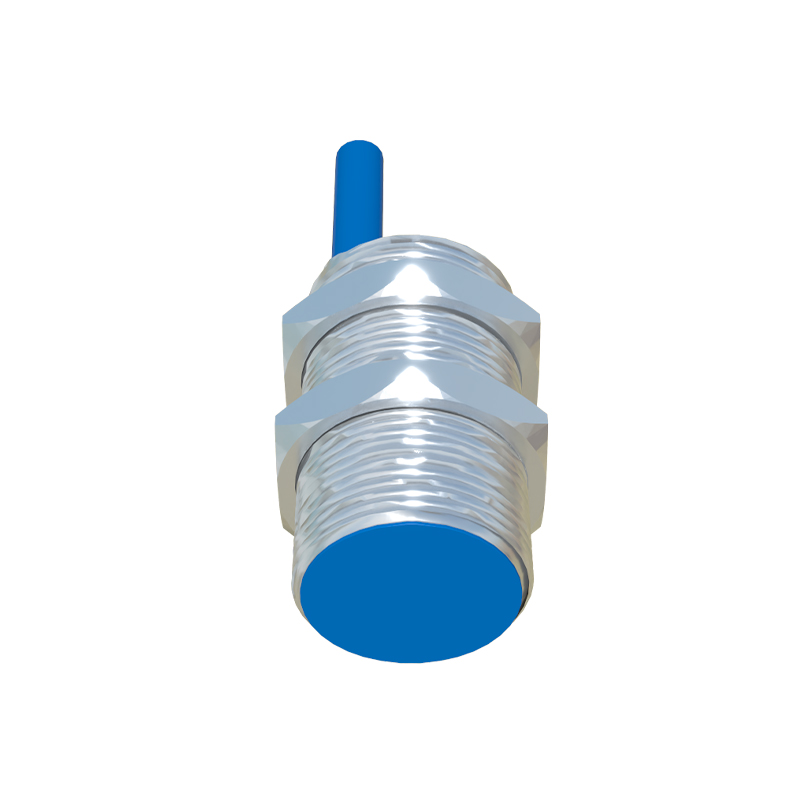
The future of standard proximity sensor sales is intertwined with Industry 4.0 trends. Sensors with digital communication capabilities, such as IO-Link, are becoming increasingly standard. They not only provide a simple on/off signal but also transmit valuable diagnostic data (e.g., operating temperature, signal strength) to higher-level control systems, enabling predictive maintenance and smarter process optimization. Sales discussions now frequently include this data connectivity aspect, positioning the sensor as a data point within a larger intelligent system rather than just an isolated switch.
In conclusion, navigating the world of standard proximity sensor sales requires a blend of technical knowledge and strategic sourcing. Success lies in precisely defining the application requirements, partnering with knowledgeable suppliers who offer robust technical support, and considering the long-term operational reliability over the short-term purchase price. By making informed decisions, industrial buyers can secure the sensing solutions that ensure efficiency, safety, and productivity on the factory floor for years to come.