Understanding the 20s Proximity Light Sensor
The 20s proximity light sensor represents a critical category of industrial photoelectric sensors. These devices are engineered to detect the presence, absence, or distance of an object without physical contact, typically using a beam of light. The "20s" designation often refers to a specific response time or a model series known for reliability and speed in challenging environments. These sensors combine the principles of proximity detection—sensing objects within a defined range—with light-based technology, usually involving an emitter and a receiver. They are prized for their high precision, immunity to electrical noise, and ability to detect a wide variety of materials, including glass, plastic, and metal, which might challenge other sensor types. In fast-paced automation, a sensor's response time is paramount, and models like the 20s series are optimized to deliver stable, repeatable signals within demanding timeframes, making them indispensable for high-speed counting, positioning, and inspection tasks.
Primary Applications and Integration Points
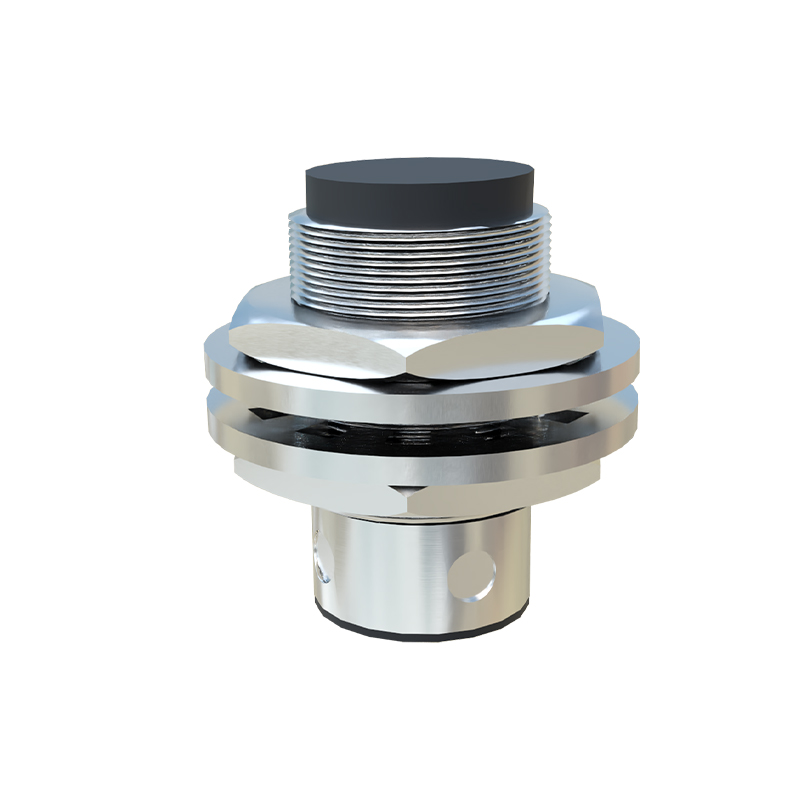
Identifying where to implement these sensors requires understanding their core applications. A 20s proximity light sensor is predominantly found in automated manufacturing and packaging lines. Key integration points include conveyor belt systems, where they detect jams, count products, or verify positioning before robotic pick-and-place operations. In the automotive industry, they are integral to assembly robots, ensuring components are correctly aligned for welding or installation. Another significant application is within material handling equipment, such as automated guided vehicles (AGVs) and automated storage and retrieval systems (AS/RS), where they provide crucial navigation and load-detection data. Furthermore, they are embedded in sophisticated machinery for quality control, verifying label placement on bottles or checking for the presence of seals on packaging. Their robust design often includes ingress protection (IP) ratings, allowing deployment in wash-down areas of food & beverage plants or in dusty warehouse environments.
Procurement Channels and Manufacturer Directories
Sourcing a genuine 20s proximity light sensor involves navigating established industrial supply chains. The most reliable sources are directly from the original equipment manufacturers (OEMs). Leading global brands in sensor technology, such as Omron, Keyence, Sick AG, Banner Engineering, and Allen-Bradley (Rockwell Automation), produce high-performance series that fit the "20s" performance profile. Their official websites provide detailed catalogs, specification sheets, and direct sales or authorized distributor locators. For most procurement specialists, the primary channel is through authorized industrial distributors and wholesalers. Companies like Digi-Key, Mouser Electronics, and RS Components offer vast inventories online, with filters for specifications like sensing distance, light source (e.g., infrared, red LED, laser), and output type (PNP/NPN). For large-scale or specialized integration projects, engaging with system integrators or the OEM's technical sales team is advisable to ensure the selected sensor model perfectly matches the application's voltage, sensing range, and environmental requirements.
Technical Specifications and Selection Criteria
Selecting the correct 20s proximity light sensor is not about finding a single part number but matching specifications to the task. Critical parameters must be evaluated. First is the sensing distance; some models offer a few centimeters, while others, through focused laser beams, can detect objects several meters away. The response time, potentially as fast as milliseconds, must be faster than the process cycle time. The light source type is crucial: diffuse reflective sensors are common for close-range detection, while through-beam sensors (separate emitter and receiver) offer the longest range and highest reliability. Environmental factors dictate the housing material (often stainless steel or rugged plastic) and the required IP rating for dust and water resistance. Output configuration (digital or analog, relay, or solid-state) must interface seamlessly with the existing Programmable Logic Controller (PLC) or machinery. Ignoring these criteria can lead to false triggers, downtime, and costly replacements.
Installation Best Practices and Calibration
Once procured, proper installation is key to unlocking the sensor's performance. Mounting stability is essential to prevent vibration-induced misalignment. The sensor must be positioned so the target object reliably breaks or reflects the light beam within its specified operating window. For through-beam types, precise alignment of the emitter and receiver is critical, often aided by built-in alignment indicators. Environmental light interference, such as from sunlight or high-bay factory lighting, can be mitigated by using sensors with modulated light signals or physical shrouds. Regular calibration and maintenance are part of the operational lifecycle. Technicians should periodically clean the lens to prevent buildup of dirt or oil, which can attenuate the light signal. Functional checks should be part of routine machine maintenance schedules to verify the sensor's response time and