Introduction to Proximity Switch Technology
Proximity switches, specifically the bar-type or rectangular form factor, are indispensable components in modern industrial automation. These non-contact sensors detect the presence or absence of a target object without physical contact, offering unparalleled reliability and longevity in harsh environments. Unlike cylindrical sensors, bar-type proximity switches provide a longer sensing surface, making them ideal for detecting larger objects, monitoring conveyor belt edges, or serving as safety light curtain alternatives. Their robust housing, typically made from nickel-plated brass, stainless steel, or PBT plastic, ensures resistance to mechanical impacts, cutting fluids, and metallic dust. The core technology, whether inductive, capacitive, or magnetic, defines their application scope, with inductive models being predominant for metal detection in manufacturing and packaging lines.
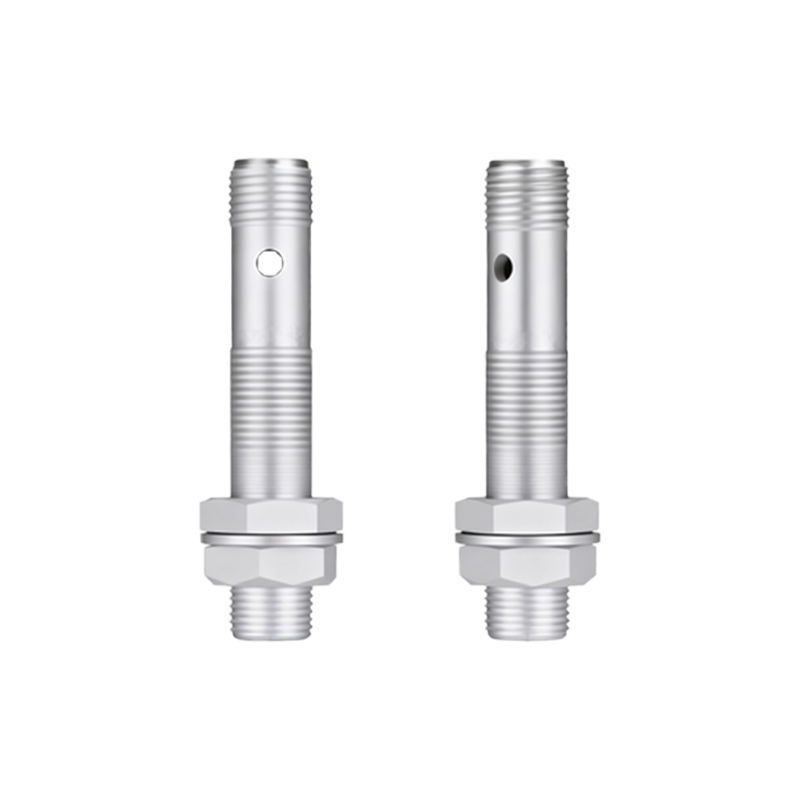
Decoding Model Number Specifications
Understanding the model number of a bar-type proximity sensor is crucial for correct selection. A typical model string, such as "BI2-G12-AN6X-H1141," contains encoded information. The prefix (e.g., "BI") often indicates the series or family. The following segment ("G12") usually specifies the housing dimensions and style—'G' might denote a rectangular shape, and '12' could indicate the length in millimeters. "AN6X" frequently describes the electrical characteristics: "A" for DC type, "N" for NPN output configuration, and "6" for the sensing distance in millimeters. The suffix ("H1141") often covers connection type (e.g., pre-wired cable or connector), cable length, and special features like weld-field immunity or enhanced temperature range. Manufacturers like Sick, Omron, Pepperl+Fuchs, and Balluff have their own nomenclature, but the logic remains consistent: housing size, sensing technology, electrical output, and connection method.
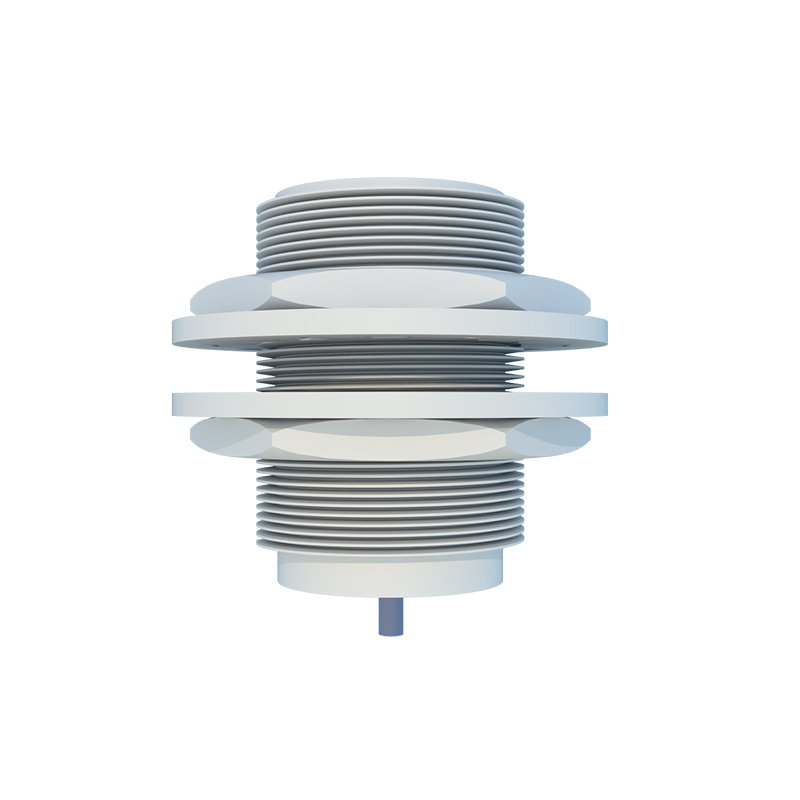
Inductive Bar Sensor Models and Their Parameters
Inductive bar sensors are the workhorses for detecting all types of metals. Key models include standard range, factor-1 (for detecting all metals at the same range), and extended range versions. A model like "BM2A-G12-AN6X" might offer a 6mm sensing distance from its 12mm wide face. Critical parameters to cross-reference are the sensing distance (Sn), which should be derated for non-ferrous metals; the hysteresis (typically 3-15% of Sn) to prevent output chatter; and the response frequency (up to 5kHz for high-speed counting). The operating voltage range, commonly 10-30V DC, and current consumption are also vital. For demanding environments, look for models with "M12" or "M8" quick-disconnect connectors and IP67/IP69K ingress protection ratings, ensuring functionality under washdown conditions.
Capacitive and Magnetic Model Variants
While inductive models dominate, capacitive bar sensors (e.g., series like "BC10") are essential for detecting non-metallic materials like wood, glass, plastics, or liquids through container walls. Their model numbers often include a sensitivity adjustment parameter. Magnetic bar sensors, or magnetic proximity guides, are designed specifically for detecting permanent magnets. They are frequently used in cylinder position feedback. Their models are characterized by very long sensing distances relative to their size and are often immune to magnetic interference from motors. For all variants, the output type—NPN normally open (NO), NPN normally closed (NC), PNP, or analog (4-20mA)—is a fundamental part of the model code and must match the PLC or control system input card.
Selecting the Right Model for Your Application
Selection transcends just the model number. First, define the target material, size, and required sensing distance. For metal detection on a conveyor, a standard inductive model suffices. For detecting a full cardboard box, a capacitive model is needed. Next, consider the environment: high-temperature applications require models with a silicone-free housing and extended temperature ratings (e.g., -25°C to 85°C). In welding areas, sensors with weld-field immunity (MFI/WFI ratings) are mandatory to resist electromagnetic interference. The mounting method—flush, non-flush, or with brackets—affects the effective sensing distance. Finally, the electrical interface is critical; choosing between a 2-meter PVC cable or an M12 connector model impacts maintenance and cabinet layout.
Installation, Wiring, and Troubleshooting Tips
Correct installation ensures rated performance. Maintain the specified lateral and axial distance from other metal objects or sensors to prevent mutual interference. Ensure the target approaches the correct sensing face. For wiring, strictly follow the datasheet diagram: brown wire to DC+, blue wire to DC-, and