Understanding Photoelectric Sensor Types
Photoelectric sensors are essential components in modern construction machinery, enabling precise detection, positioning, and automation. These sensors operate by emitting a light beam—typically infrared, visible, or laser—and detecting changes in the received light due to the presence or absence of an object. For construction equipment, the primary types include through-beam, retro-reflective, and diffuse reflective sensors. Through-beam sensors consist of separate emitter and receiver units, offering long detection ranges and high reliability in dusty or dirty environments common on construction sites. Retro-reflective sensors use a reflector to bounce light back to the receiver, providing a balanced solution for medium-range applications. Diffuse reflective sensors detect objects by measuring light reflected directly from the target, ideal for close-range tasks where space is limited. Selecting the right type depends on factors like detection distance, environmental conditions, and target material.
Key Performance Parameters for Selection
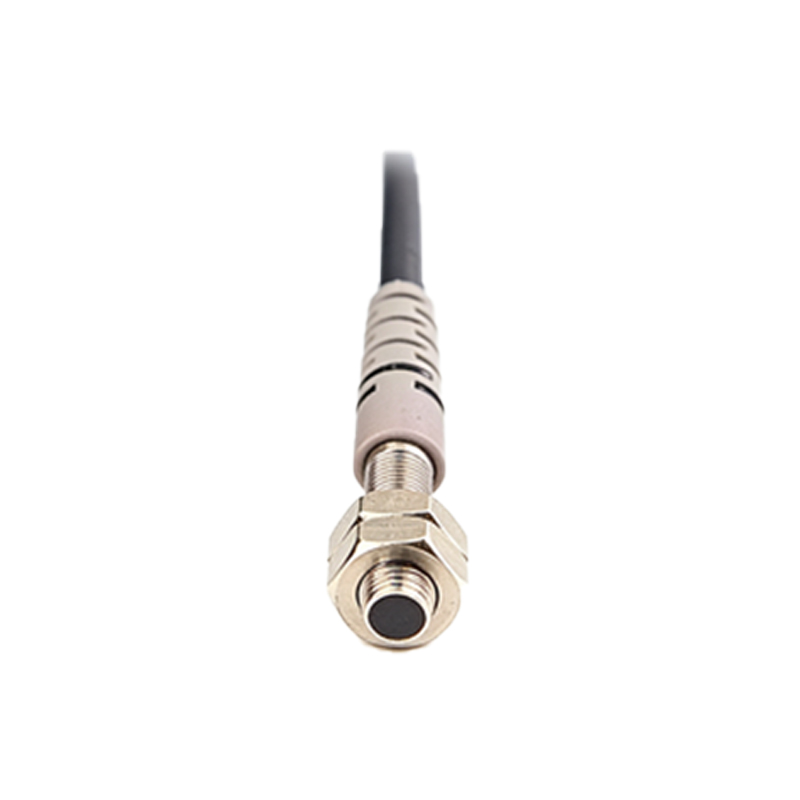
When selecting photoelectric sensors for construction machinery, engineers must evaluate several critical performance parameters. Detection range is paramount; it defines the maximum distance at which the sensor can reliably identify an object. For example, through-beam sensors may offer ranges up to 100 meters, while diffuse types might be limited to a few centimeters. Response time is another vital factor, especially in high-speed automation processes where delays can impact machinery efficiency. Typically, photoelectric sensors have response times ranging from microseconds to milliseconds. Additionally, consider the light source type—infrared sensors are common for their immunity to ambient light interference, whereas laser sensors provide high precision for alignment tasks. Environmental ratings, such as IP (Ingress Protection) and NEMA (National Electrical Manufacturers Association) classifications, ensure durability against dust, moisture, and vibrations prevalent in construction settings.
Environmental and Durability Considerations
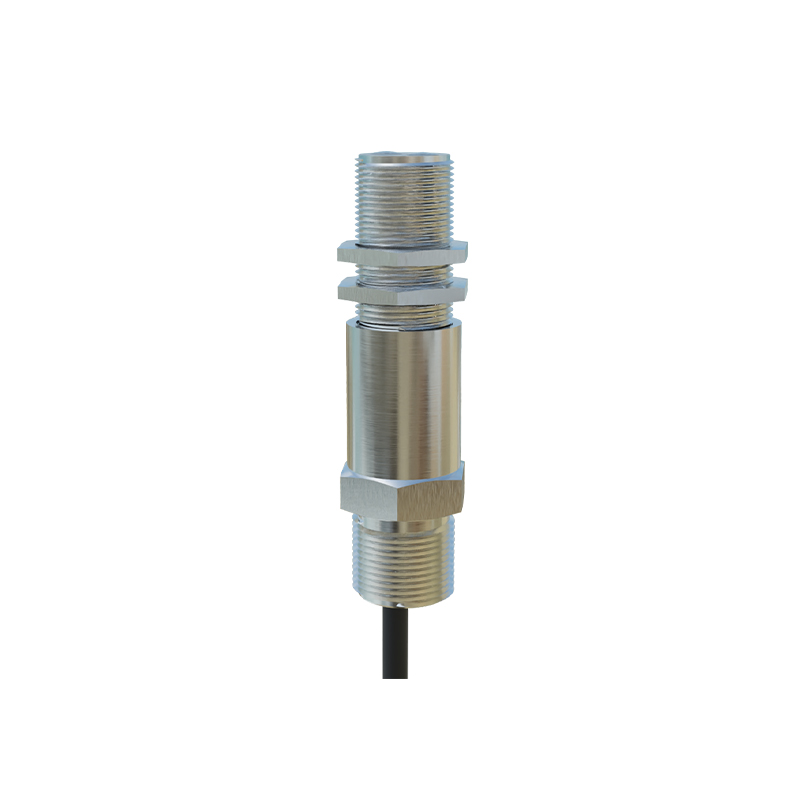
Construction sites pose harsh conditions that can severely affect sensor performance. Dust, debris, temperature fluctuations, and mechanical shocks are daily challenges. Therefore, opt for sensors with robust housings made from materials like stainless steel or reinforced plastics. Look for high IP ratings, such as IP67 or IP69K, which indicate resistance to dust ingress and water immersion. Temperature tolerance is also crucial; sensors should operate reliably in extremes from -25°C to 70°C, typical for outdoor machinery. Furthermore, consider sensors with built-in diagnostics or LED indicators to facilitate maintenance and troubleshooting in the field. Vibration resistance, often certified by standards like IEC 60068-2-6, ensures longevity in heavy equipment like excavators or cranes. Always verify that the sensor’s specifications align with the specific environmental demands of your application.
Integration with Machinery Control Systems
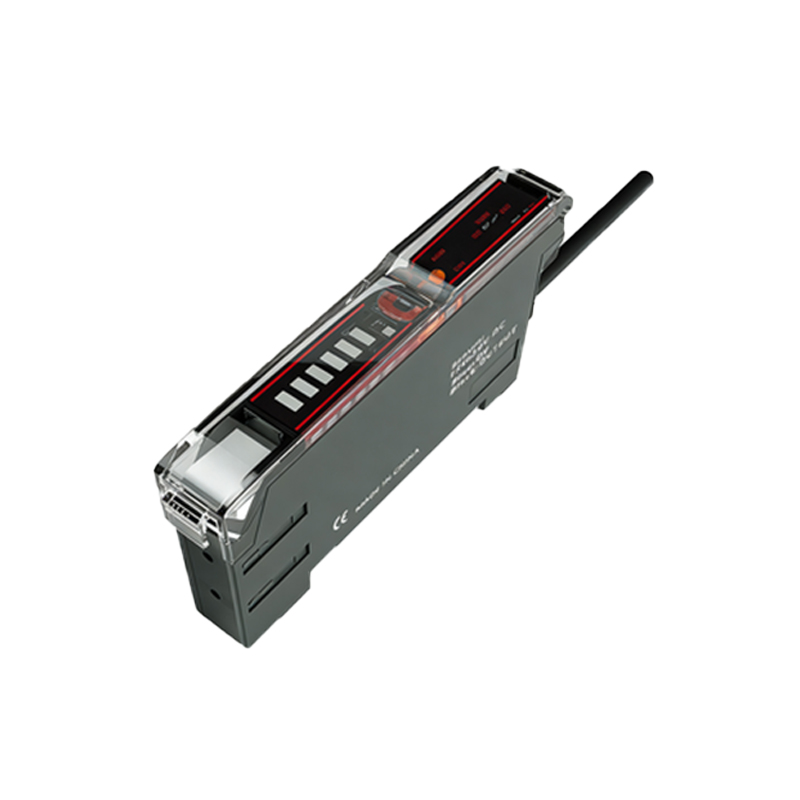
Seamless integration into existing control systems is essential for optimizing construction machinery operations. Photoelectric sensors typically output signals in formats like PNP/NPN (sourcing/sinking) or analog (4-20 mA, 0-10 V), which must match the input requirements of PLCs (Programmable Logic Controllers) or microcontrollers. For advanced machinery, IO-Link or other industrial communication protocols enable real-time data exchange and remote configuration, enhancing predictive maintenance capabilities. Mounting flexibility is another aspect; sensors with adjustable brackets or modular designs simplify installation on complex equipment. Additionally, consider power supply compatibility—most sensors operate on 10-30 V DC, common in vehicular systems. Testing the sensor in a simulated environment before full deployment can prevent integration issues and ensure reliable performance.
Cost-Benefit Analysis and Supplier Selection
While upfront cost is a factor, the total cost of ownership (TCO) should guide photoelectric sensor selection for construction machinery. High-quality sensors may have a higher initial price but reduce downtime and maintenance expenses over time. Evaluate suppliers based on their industry reputation, technical support, and warranty terms. Leading manufacturers often provide detailed datasheets, application notes, and customization options tailored to construction needs. Consider lifecycle aspects, such as availability of spare parts and ease of replacement. Conducting a cost-benefit analysis that weighs performance, durability, and support against budget constraints helps in making an informed decision. Ultimately, investing in reliable sensors enhances safety, efficiency, and productivity on construction sites.