Introduction to Slot Type Photoelectric Sensors
Slot type photoelectric sensors, also known as through-beam sensors, are fundamental components in industrial automation. They consist of a U-shaped housing containing both an emitter and a receiver facing each other across a gap or "slot." An object is detected when it passes through this slot, interrupting the light beam. Their primary advantage is high reliability and precision, as they are less susceptible to environmental factors like target color, reflectivity, or surface finish compared to diffuse reflection sensors. Common applications include object counting, edge detection, limit switching, and verifying the presence of parts on conveyors, in packaging machinery, and assembly lines.
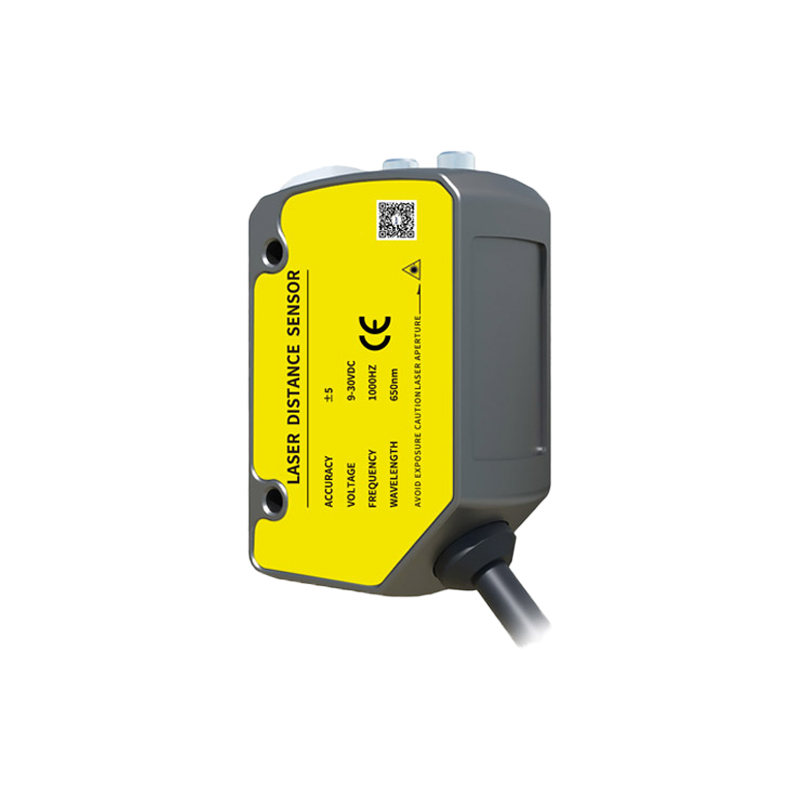
The Critical Role of Mounting Profiles
While the sensor itself is the detection element, its performance and longevity are heavily dependent on proper mounting. A dedicated mounting profile, or bracket, is not merely a mechanical holder; it is an integral part of the sensor system. A well-designed profile ensures precise and stable alignment of the emitter and receiver, which is paramount for consistent operation. It protects the sensor from vibration, shock, and accidental impacts that are common in industrial environments. Furthermore, it facilitates easier installation, adjustment, and maintenance, reducing downtime. Without a robust mounting solution, even the highest-quality sensor can suffer from false triggers, reduced sensing range, or premature failure.
Key Design Considerations for Mounting Profiles
Several engineering factors must be considered when selecting or designing a slot sensor mounting profile. Material choice is primary; extruded aluminum alloys are prevalent due to their excellent strength-to-weight ratio, corrosion resistance, and ease of machining. Stainless steel is used in harsh environments requiring frequent washdowns or exposure to chemicals. The profile design must provide a secure clamping mechanism, often using set screws or integrated clamping levers, to hold the sensor firmly without damaging its housing. Adjustability features, such as slotted holes or fine-thread adjustment screws, are crucial for achieving perfect optical alignment during installation and for compensating for mechanical tolerances in the machine frame.
Types of Fixed Mounting Profiles
Fixed mounting profiles are designed for applications where the sensor position is permanent after initial alignment. Common types include standard L-brackets, which mount to a vertical surface and hold the sensor horizontally. Channel or rail-mounted profiles allow multiple sensors to be aligned on a single DIN rail or T-slot aluminum extrusion, ideal for modular systems. Flange-mounted profiles provide a sturdy face-mounting option, often used for direct mounting to machine panels. Another specialized type is the adjustable fixed bracket, which allows for precise positioning during setup via micrometer-style screws before being locked permanently. The choice depends on the available space, the direction of object passage, and the required rigidity.
Installation and Alignment Best Practices
Correct installation is critical. First, securely fasten the mounting profile to the machine structure, ensuring it is square and rigid to prevent flexing. Insert the sensor into the profile and tighten the clamping mechanism to the manufacturer's specified torque—overtightening can distort the sensor housing and affect performance. For alignment, use the sensor's built-in alignment indicator (usually an LED) or an external alignment tool. The goal is to maximize the received light signal. Once optimal signal strength is confirmed, perform a final tightening. It is also good practice to install protective covers or shrouds if the sensor is exposed to flying debris, chips, or heavy dust, which can accumulate in the slot and block the beam.
Integration with Industrial Systems
Mounting profiles also play a role in system integration. Many modern profiles are designed with cable management features, such as integrated channels or clips, to route and secure sensor cables neatly, preventing strain on the electrical connections. Some profiles offer built-in mounting points for cable glands or connectors, enhancing the IP (Ingress Protection) rating of the overall assembly. In automated systems, profiles can be designed to hold not just the sensor, but also ancillary components like reflective tabs for timing or complementary proximity sensors, creating a compact, multi-functional sensing station that simplifies machine design and wiring.
Maintenance and Troubleshooting
A properly selected fixed mounting profile minimizes maintenance needs. However, regular inspection is recommended. Check for loose mounting hardware due to vibration and ensure the sensor remains firmly seated in the profile. Keep the optical slot clean from dust, oil, or residue using compressed air or a soft cloth; avoid abrasive materials that could scratch the lenses. If a sensor fails, the profile allows for quick replacement without realigning the entire bracket—simply loosen the clamp, swap the sensor unit, and retighten. Common issues like intermittent detection can often be traced to misalignment from a loose bracket or a dirty lens, both of which are addressed by the stability and accessibility provided by the mounting profile.
Conclusion: An Engineered System Approach
In summary, the fixed mounting profile for a slot type photoelectric sensor is a critical engineering component that transforms a sensitive optical device into a rugged, reliable industrial workhorse. It ensures precision, protects the investment, and enhances the overall functionality of the automation system. Specifying the correct profile—considering material, design, adjustability, and environmental factors—is as important as selecting the sensor itself. By adopting this system approach, engineers and technicians can achieve higher machine reliability, reduced maintenance costs, and improved operational efficiency on the factory floor.