Understanding the Core Technology
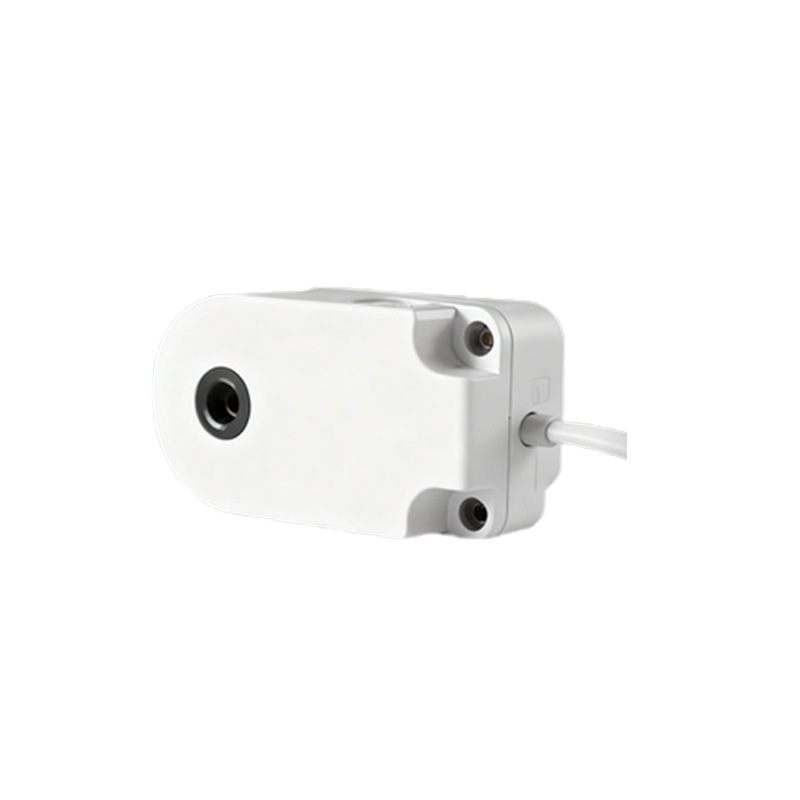
A 12V infrared proximity sensor is a non-contact electronic device designed to detect the presence or absence of an object within a specified range. Operating on a 12-volt DC power supply, which is a standard in automotive, robotics, and industrial control systems, these sensors utilize infrared light to perform detection. The fundamental principle involves an infrared emitter, typically an IR LED, which projects an invisible beam of light. A corresponding photodetector, such as a phototransistor or photodiode, is positioned to receive the reflected signal. When an object enters the detection field, it reflects the emitted infrared light back to the receiver. The sensor's internal circuitry then processes this change in the received signal to trigger an output, usually a switch to a high or low logic state or a change in output current. This modulated infrared signal helps the sensor distinguish between ambient light and the actual target reflection, ensuring reliable operation in various lighting conditions.
Key Operational Modes and Characteristics
These sensors primarily function in two modes: diffuse (proximity) and retro-reflective. In the diffuse mode, the emitter and receiver are housed in the same unit. Detection occurs when the target object reflects the emitted beam directly back to the receiver. The effective sensing distance depends on the object's size, color, and surface texture, with lighter and more reflective materials typically yielding longer ranges. The retro-reflective mode employs a separate reflector. The sensor detects an object when it interrupts the continuous beam between the sensor head and the reflector. 12V IR proximity sensors offer several key characteristics. They provide a relatively fast response time, are immune to ambient audible noise, and are unaffected by the color of most objects (though highly reflective or black surfaces can affect performance). Their solid-state construction ensures long life and resistance to mechanical wear. The 12V DC operation makes them directly compatible with PLCs, microcontrollers like Arduino or Raspberry Pi (often with a current-limiting resistor), and standard industrial logic circuits.
Primary Industrial and Commercial Applications
The application spectrum for 12V infrared proximity sensors is vast. In industrial automation, they are ubiquitous on production lines for tasks such as object counting, jam detection, and verifying the presence of components on a conveyor belt. They serve as limit switches in machinery to detect the end of travel for moving parts without physical contact. Within the realm of robotics, these sensors are crucial for obstacle detection and avoidance in autonomous mobile robots (AMRs) and robotic arms, enabling safe navigation and manipulation. The automotive industry utilizes them in vehicle assembly for part positioning and in advanced driver-assistance systems (ADAS) for short-range detection. Consumer applications include automatic towel dispensers, soap dispensers, and touchless faucets, where hygiene and convenience are paramount. They are also found in security systems as part of intrusion detection beams.
Critical Factors for Sensor Selection
Selecting the appropriate 12V IR proximity sensor requires careful consideration of several parameters. The sensing range is paramount; one must choose a sensor whose specified range exceeds the maximum required detection distance to account for real-world factors. The type of output required—typically NPN (sinking) or PNP (sourcing) transistor, or a digital logic output—must match the input requirements of the controlling device. The response time must be fast enough for the application's speed. Environmental conditions are crucial; sensors may require housings with specific Ingress Protection (IP) ratings for use in dusty, humid, or washdown environments. The size and form factor of the sensor must fit the mechanical constraints of the installation. Finally, for diffuse sensors, the material and color of the target object must be considered, as dark, non-reflective, or irregular surfaces may necessitate a sensor with a longer nominal range or a different technology.
Installation Tips and Common Challenges
Proper installation is key to optimal performance. Sensors should be mounted securely to minimize vibration, which can cause false triggering. It is critical to align the sensor correctly with the target path or the reflector in retro-reflective setups. Background objects can cause interference for diffuse sensors; therefore, mounting should ensure the background is outside the sensor's field of view. A common challenge is optical crosstalk, where the emitted light directly reaches the receiver without reflecting off a target, often solved by physical baffles or selecting sensors with built-in protection. Another issue is the detection of highly reflective or absorbent surfaces, which may require sensitivity adjustment or sensor re-positioning. Electrical noise from motors or drives can interfere with the signal; using shielded cables and ensuring proper grounding of the sensor body and the 12V supply can mitigate this. Regular lens cleaning is also recommended to prevent false readings caused