Introduction to Photoelectric Sensing Technology
Photoelectric sensors are indispensable components in modern industrial automation, serving as the "eyes" of a system. These devices operate by emitting a beam of light, typically from an LED or laser diode, and detecting changes in the received light signal. The fundamental principle relies on the modulation of light by the target object—through reflection, absorption, or beam interruption. This allows for non-contact detection of objects, materials, and conditions with high precision and reliability. Unlike mechanical limit switches, photoelectric sensors offer wear-free operation, high switching speeds, and the ability to sense a wide variety of materials, including glass, metal, plastic, and liquids. Their versatility forms the backbone of countless automation tasks, from simple object presence detection to complex positioning and quality control.
Core Operating Modes and Selection Criteria
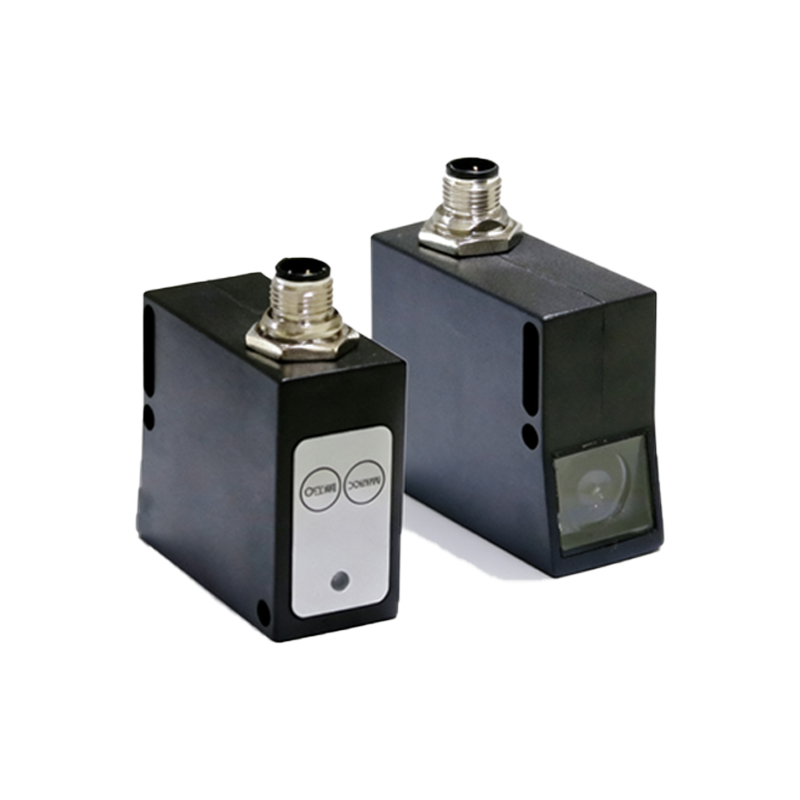
Understanding the three primary sensing modes is crucial for proper application. Through-beam sensors, consisting of separate emitter and receiver units, offer the longest sensing ranges and highest reliability, as they detect the interruption of a direct beam. Retro-reflective sensors use a single unit and a reflector, bouncing the beam back to the receiver; they are ideal for medium-range applications but can be fooled by shiny objects. Diffuse reflective sensors, or proximity mode sensors, detect light reflected directly off the target object itself, making them compact and easy to install for short-range detection. Key selection parameters include sensing distance, required response time, environmental conditions (dust, moisture, ambient light), target material properties (color, reflectivity, transparency), and the required output type (digital PNP/NPN or analog).
Critical Role in Manufacturing and Packaging
On the factory floor, photoelectric sensors are the workhorses of efficiency and quality assurance. In assembly lines, they precisely count products, verify component presence, and detect orientation for robotic pick-and-place systems. In packaging machinery, they ensure fill levels are correct, labels are properly applied, and cartons are sealed. Color sensors, a specialized subtype, verify product color coding or label correctness. Contrast sensors detect marks on packaging for precise cutting or folding. In material handling, they control conveyor belt flow, detect jams, and position pallets. Their speed and accuracy enable high-throughput operations while minimizing waste and downtime, directly impacting productivity and bottom-line results.
Advanced Features for Demanding Environments
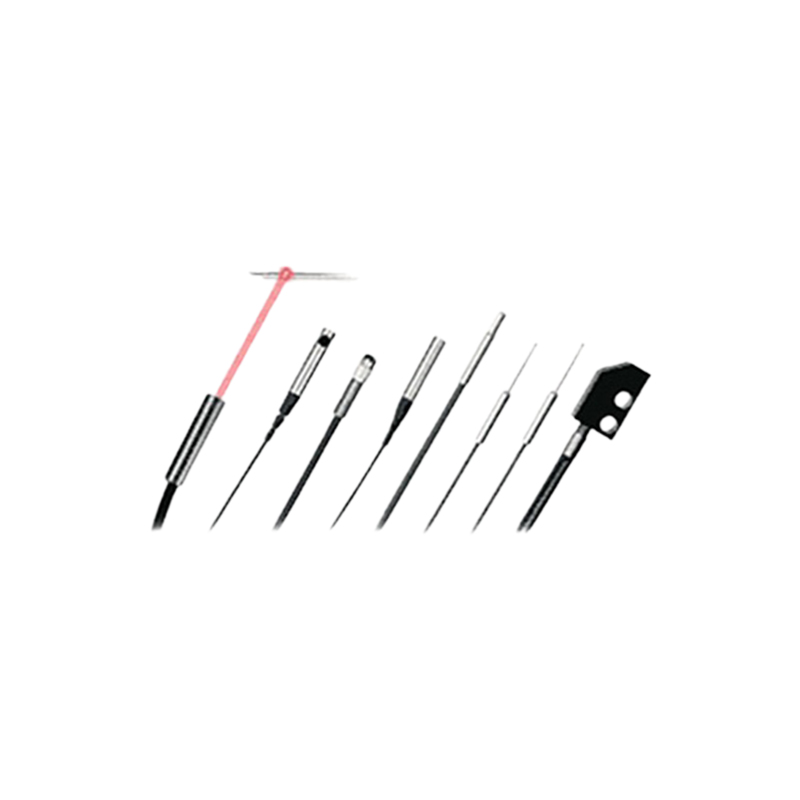
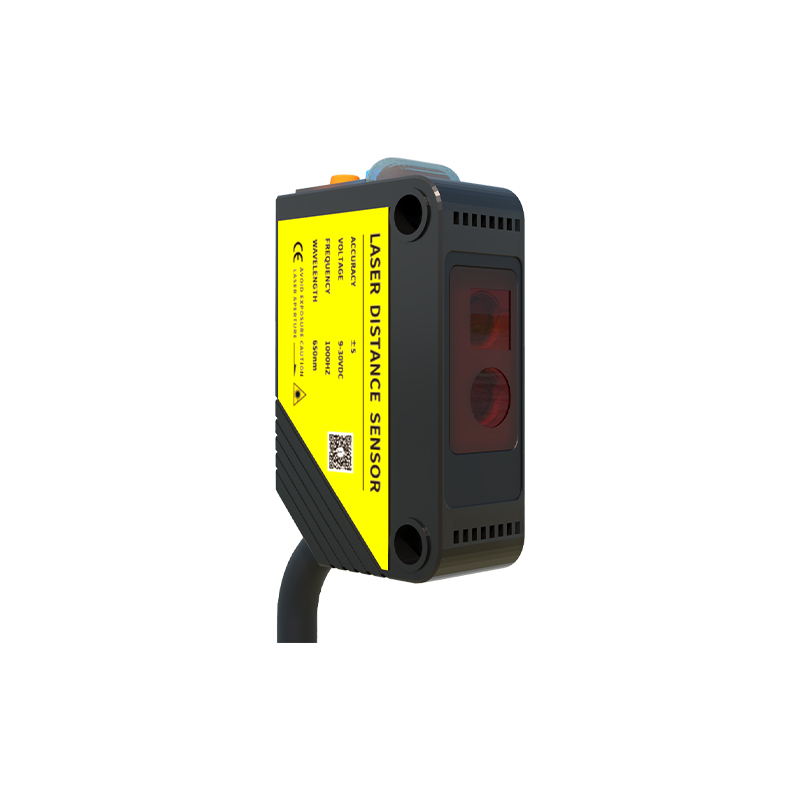
To meet the challenges of harsh industrial settings, modern photoelectric sensors incorporate sophisticated features. Background suppression technology allows a sensor to ignore objects beyond a set distance, crucial for detecting objects on a conveyor regardless of color or reflectivity. Fiber optic versions use flexible light guides to deliver the beam to hard-to-reach, hot, or hazardous areas, keeping the electronics safe. Laser-based sensors provide extremely small, precise spot sizes for detecting tiny parts or edges. Many sensors now feature IO-Link communication, enabling digital parameter setting, remote diagnostics, and process data monitoring for predictive maintenance. These advancements ensure reliable operation under extreme temperatures, heavy vibration, and in the presence of contaminants like oil or coolant mist.
Integration with Industrial Control Systems
The true power of photoelectric sensors is realized through seamless integration into broader control architectures. Their discrete or analog outputs connect directly to Programmable Logic Controllers (PLCs), providing the essential input data for automated decision-making. In networked Industry 4.0 environments, smart sensors with communication protocols like PROFINET, EtherNet/IP, or IO-Link feed real-time data into supervisory systems. This data is used not only for control but also for analytics, tracking machine performance, predicting sensor failure, and optimizing overall equipment effectiveness (OEE). Proper integration involves careful electrical wiring, parameter configuration via teach-in buttons or software, and alignment to ensure consistent signal integrity.
Installation, Alignment, and Maintenance Best Practices
Correct installation is paramount for optimal sensor performance. Mounting must be secure to prevent misalignment from vibration. For through-beam and retro-reflective types, precise optical alignment is critical; laser pointers or alignment tools are often used. The sensing environment must be evaluated: ambient light from welding or sunlight can interfere, requiring sensors with modulated light or special filters. Dust and dirt accumulation on lenses is a common cause of failure, necessitating regular cleaning schedules or the use of sensors with built-in lens cleaning warnings. Preventive maintenance includes periodic functional checks, verification of sensing distance stability, and inspection of cables and connectors for damage. A systematic approach to installation and upkeep maximizes sensor lifespan and system uptime.
Future Trends and Evolving Applications
The evolution of photoelectric sensors continues to align with industry megatrends. Miniaturization allows for their use in increasingly compact machinery. Enhanced connectivity supports the growth of the Industrial Internet of Things (IIoT), turning simple sensors into data-generating nodes. There is a growing convergence with vision sensor technology, where simple photoelectric tasks are handled cost-effectively, freeing complex vision systems for higher-level inspection. Furthermore, the development of sensors capable of precise distance measurement using time-of-flight or triangulation principles is expanding their role into positioning and dimension-checking applications. As industries strive for greater flexibility, intelligence, and efficiency, the humble photoelectric sensor will remain a fundamental, yet continuously innovating, component of automation.