Introduction to Proximity Sensor Manufacturing
The production of small proximity sensors represents a critical and sophisticated segment within the broader industrial automation and electronics manufacturing landscape. These compact, non-contact devices are fundamental components in countless applications, from automotive assembly lines and packaging machinery to consumer electronics and safety systems. A specialized small proximity sensor production facility operates at the intersection of precision engineering, advanced materials science, and rigorous quality control. The manufacturing process is meticulously designed to ensure high reliability, repeatability, and performance in diverse and often demanding operational environments. This article delves into the core aspects of running such a facility, outlining the key processes, technological considerations, and quality paradigms that define a successful operation in this competitive field.
Core Production Processes and Technologies
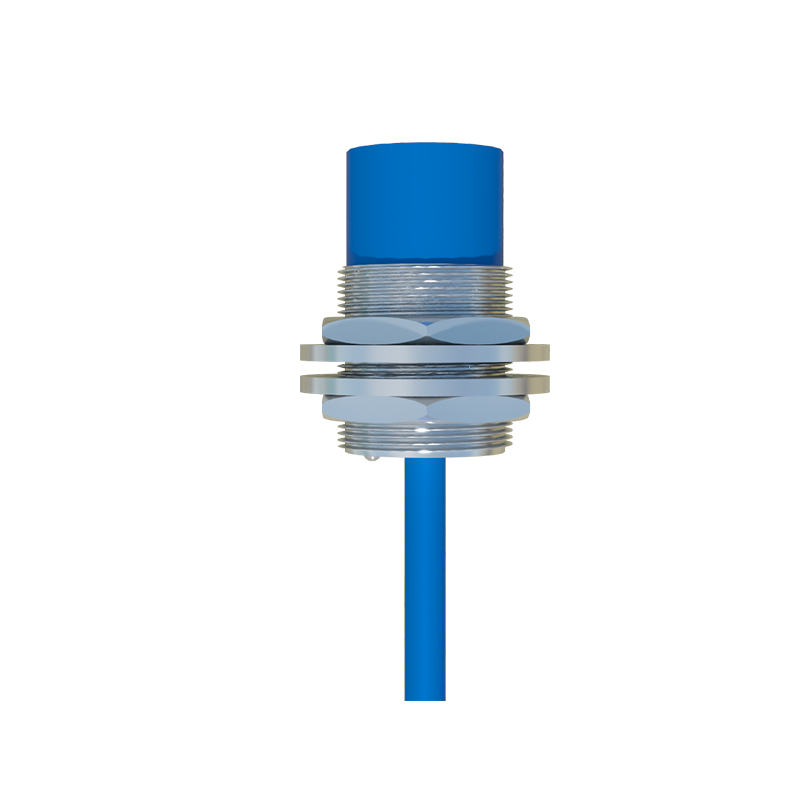
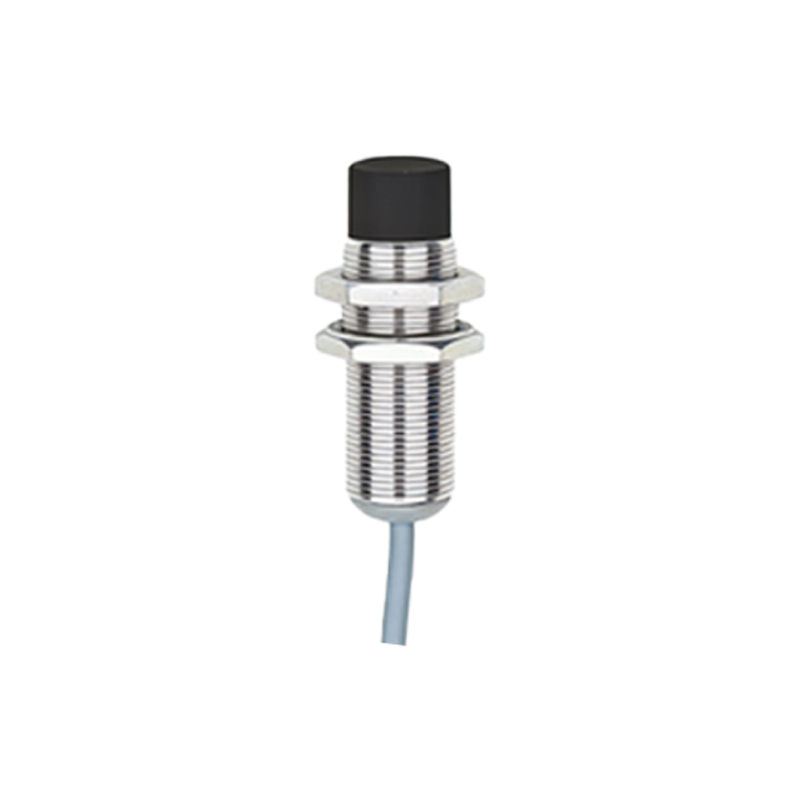
The manufacturing journey begins with the selection of high-grade raw materials, including specific ferrite cores, copper wire, semiconductor components for inductive and capacitive types, or specialized infrared LEDs and phototransistors for optical variants. The heart of an inductive proximity sensor, for instance, is its oscillator coil, which is wound with extreme precision using automated winding machines to achieve consistent electrical characteristics. For capacitive sensors, the electrode plating and patterning are crucial. Surface-mount technology (SMT) lines are employed to populate printed circuit boards (PCBs) with microcontrollers, signal conditioning chips, and other electronic components. This stage requires controlled environments to prevent electrostatic discharge and contamination. Following PCB assembly, the critical step of encapsulation or potting takes place. Sensors are housed in robust casings, typically made from nickel-plated brass, stainless steel, or engineered plastics like PBT or PPS, and filled with epoxy or silicone compounds to protect the internal electronics from moisture, vibration, and chemical exposure.
Calibration and Functional Testing
Perhaps the most defining phase in a sensor factory is calibration and testing. Each individual sensor must be calibrated to its specified sensing range and switching frequency. This is performed using automated test stations that simulate target objects at precise distances. Key parameters such as switching hysteresis, repeat accuracy, temperature drift, and response time are measured and logged. For sensors with analog outputs or IO-Link communication, linearity and digital signal integrity are verified. Environmental stress screening, including temperature cycling and vibration tests, may be applied to sample batches or entire production runs to ensure long-term reliability. The data from these tests is often integrated into a traceability system, allowing each sensor to be linked back to its production batch, component lots, and test results—a vital feature for industries with stringent quality requirements like automotive (IATF 16949) or medical device manufacturing.
Quality Management and Industry Standards
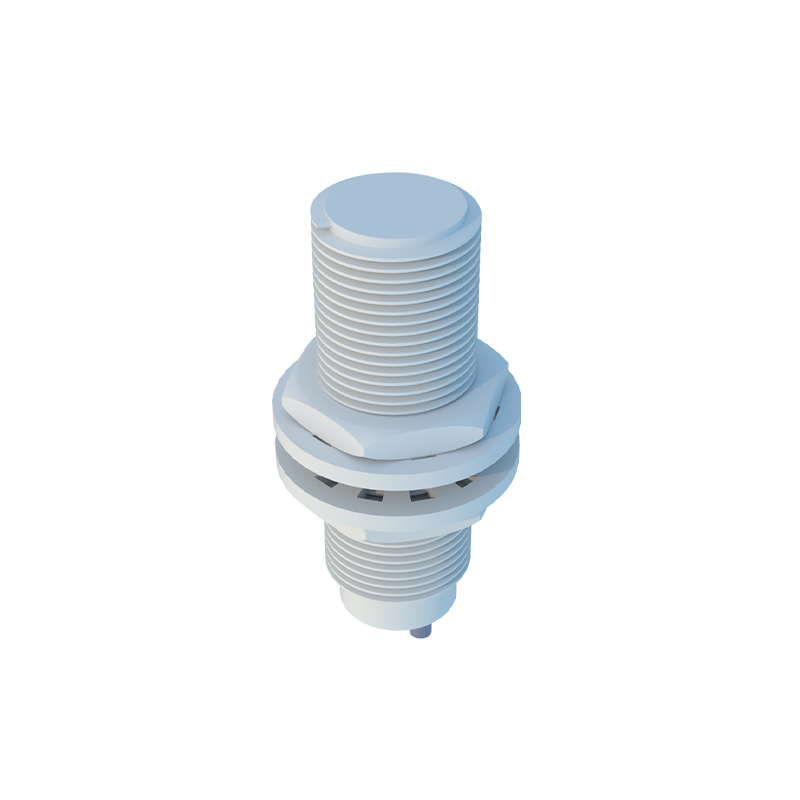
A reputable small proximity sensor manufacturer operates under a comprehensive quality management system. Adherence to international standards is not optional but a prerequisite for market entry. Key standards include IEC 60947-5-2, which defines the operational characteristics and testing requirements for proximity sensors, and various IP (Ingress Protection) and NEMA ratings for enclosure integrity. Internally, statistical process control (SPC) is used to monitor critical production parameters, ensuring processes remain within control limits and defects are prevented rather than merely detected. Failure Mode and Effects Analysis (FMEA) is routinely conducted on both product and process design. Furthermore, manufacturers must navigate the complexities of global compliance, including RoHS (Restriction of Hazardous Substances) and REACH regulations, which govern the materials used in production.
Supply Chain and Customization Capabilities
The agility of a sensor production facility is heavily influenced by its supply chain resilience and engineering support. Sourcing specialized components, such as application-specific integrated circuits (ASICs) or rare-earth magnets, requires strategic partnerships with reliable suppliers. In today's market, the ability to offer customization is a significant differentiator. This can range from modifying standard housing dimensions and connector types to developing application-specific sensing characteristics or output configurations. Some advanced factories employ modular design platforms and flexible manufacturing cells to efficiently handle low-volume, high-mix orders alongside high-volume standard product lines. Close collaboration with customers during the design-in phase is essential to tailor the sensor to the exact mechanical, electrical, and environmental needs of the application.
Future Trends and Conclusion
The future of small proximity sensor manufacturing is being shaped by several key trends. The integration of Industrial Internet of Things (IIoT) capabilities, such as built-in IO-Link communication, is becoming standard, providing valuable diagnostic and process data. There is a continuous drive toward miniaturization without sacrificing performance or sensing range. Additionally, the use of advanced simulation software in the design phase allows for rapid prototyping and optimization of electromagnetic or optical fields before physical production begins. In conclusion, a successful small proximity sensor production factory is a hub of precision, quality, and adaptability. It