In the realm of industrial automation and smart device manufacturing, proximity sensors have become indispensable components. Among the leading production hubs, Pinghu, China, has emerged as a significant center for the design and manufacture of high-quality proximity sensors. These devices, essential for non-contact detection of objects, are integral to enhancing efficiency, safety, and reliability across various sectors.
Pinghu proximity sensors are renowned for their precision and durability. Typically utilizing technologies such as inductive, capacitive, or photoelectric sensing, these sensors can detect the presence or absence of metallic and non-metallic objects without physical contact. This non-invasive nature minimizes wear and tear, reducing maintenance needs and extending the operational lifespan of machinery. In automotive assembly lines, for instance, Pinghu sensors ensure precise positioning of parts, contributing to streamlined production and consistent quality control.
The application scope of these sensors extends far beyond automotive manufacturing. In the packaging industry, they facilitate accurate counting and sorting of products on high-speed conveyor belts. Within consumer electronics, they enable touchless interfaces and power-saving features in smartphones and home appliances. Furthermore, in harsh industrial environments, Pinghu proximity sensors are often built with robust housings that resist dust, moisture, and extreme temperatures, ensuring stable performance under challenging conditions.
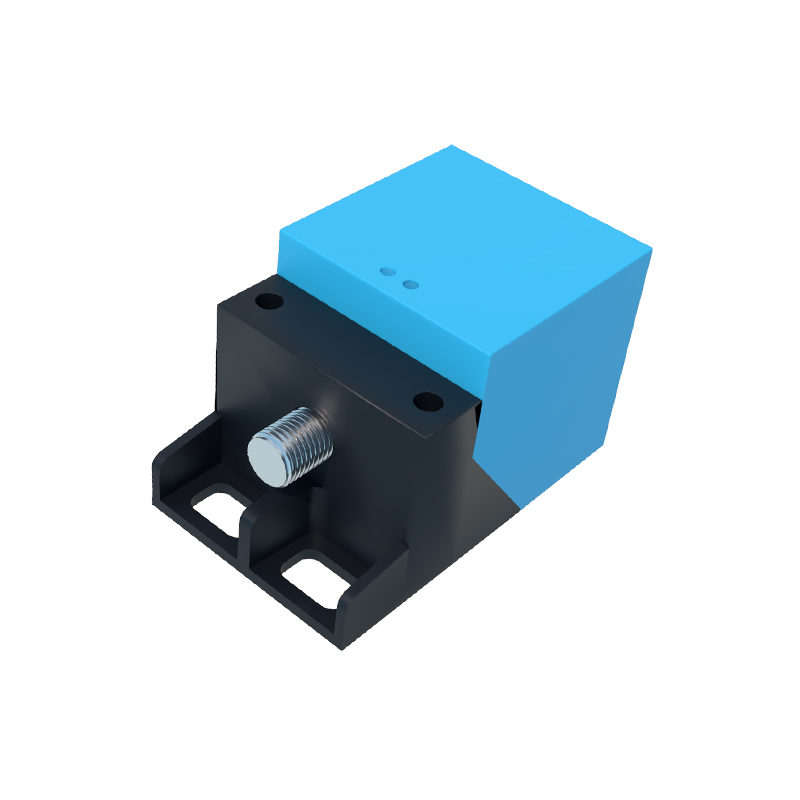
One key advantage of sourcing proximity sensors from Pinghu is the synergy between advanced manufacturing capabilities and cost-effectiveness. Local manufacturers combine rigorous quality control processes with innovative R&D, producing sensors that meet international standards such as CE and RoHS. This commitment to quality ensures compatibility with global automation systems, making Pinghu sensors a preferred choice for integrators worldwide.
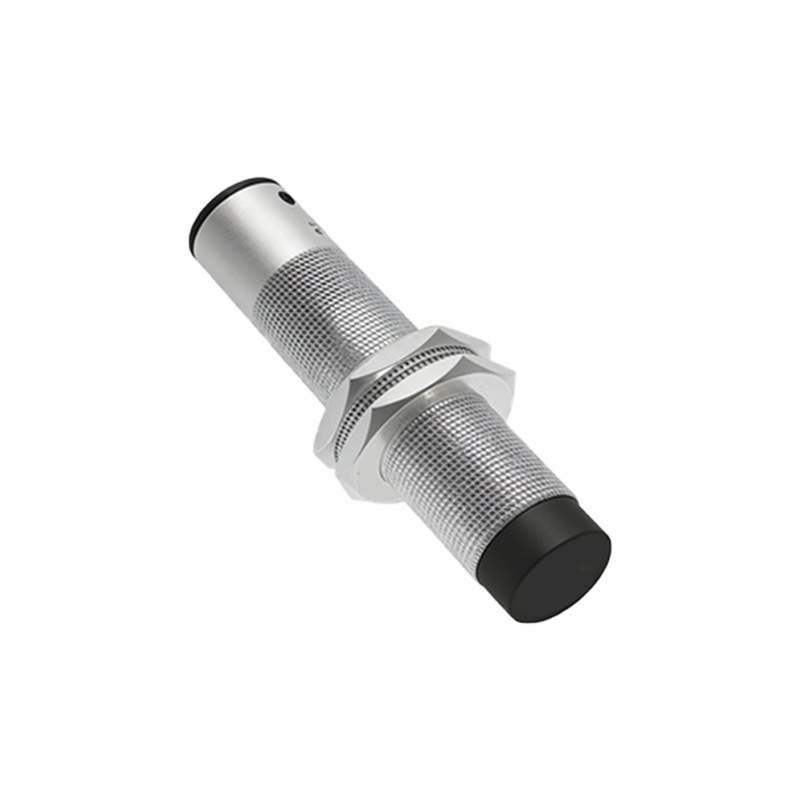
When selecting a proximity sensor, engineers consider factors like sensing range, response time, output type (e.g., NPN or PNP), and environmental resilience. Pinghu suppliers offer a wide portfolio to meet diverse needs, from miniature models for compact spaces to long-range variants for large-scale applications. Technical support and customization services are also commonly available, allowing for tailored solutions that optimize specific operational workflows.
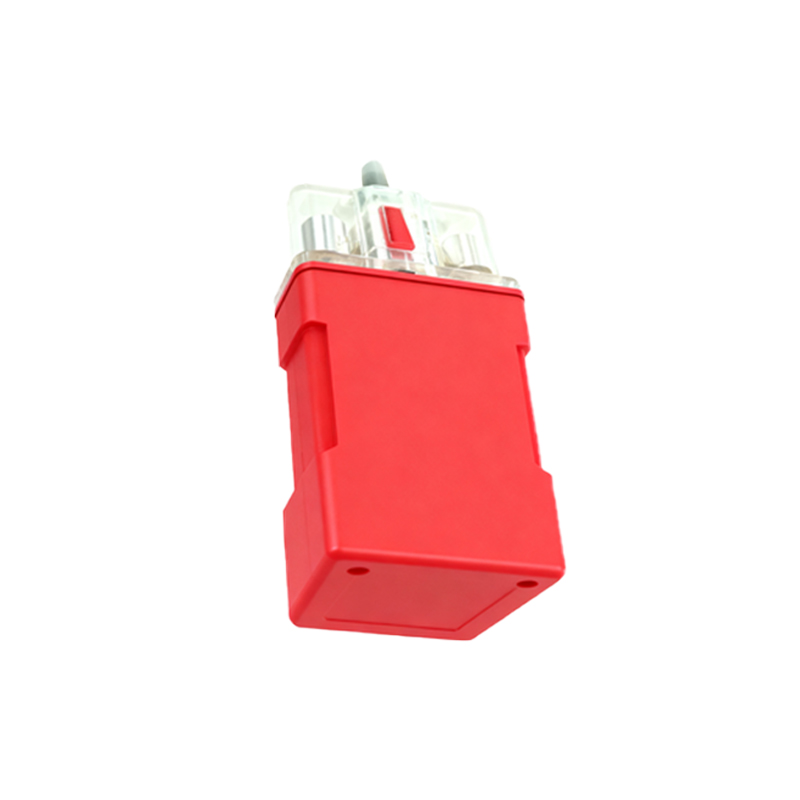
Looking ahead, the evolution of Pinghu proximity sensors is closely tied to trends in Industry 4.0 and the Internet of Things (IoT). Future developments may include enhanced smart features, such as integrated diagnostics and wireless connectivity, enabling predictive maintenance and real-time data analytics. As automation continues to advance, the role of reliable sensing components from hubs like Pinghu will only grow in importance, driving innovation and efficiency across global industries.
In summary, Pinghu proximity sensors represent a blend of technological sophistication and practical reliability. Their widespread adoption underscores their value in modern automation, where accurate detection is crucial for productivity and safety. Whether for simple object detection or complex automated systems, these sensors provide a foundational element that supports the seamless operation of countless applications worldwide.