Introduction to Through-Beam Photoelectric Sensors
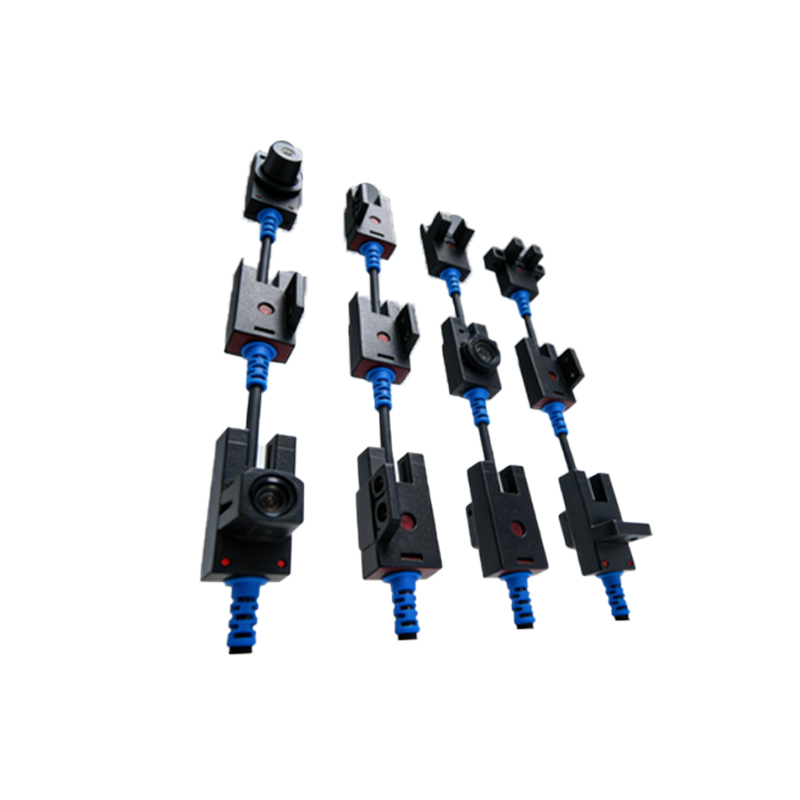
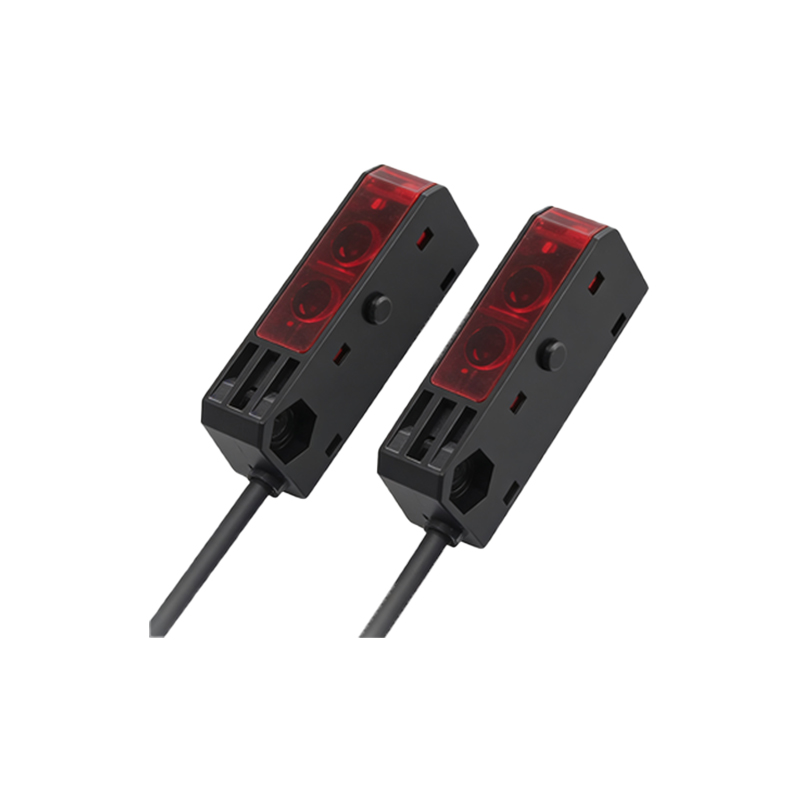
Through-beam photoelectric sensors, also known as opposed-mode sensors, are a critical component in modern press brake systems. These sensors consist of two separate units: an emitter and a receiver. The emitter projects a beam of light, typically infrared or laser, directly toward the receiver. When an object interrupts this beam, the receiver detects the absence of light and sends a signal to the press brake's control system. This simple yet highly reliable principle makes through-beam sensors ideal for precision positioning, safety guarding, and part detection in metal fabrication. Their ability to detect objects regardless of surface color, texture, or material composition provides a significant advantage in industrial environments where consistency is paramount.
Working Principle and Components
The operational core of a through-beam sensor lies in its optoelectronic components. The emitter contains a light source, often an LED or laser diode, which generates a focused beam. The receiver houses a phototransistor or photodiode that converts incoming light into an electrical signal. In a press brake setup, these sensors are meticulously aligned on opposite sides of the bending area. The uninterrupted beam indicates a clear path, while any obstruction—be it a metal sheet, tooling, or an operator's hand—triggers an immediate response. This design ensures a long sensing range and high immunity to ambient light interference, which is crucial in workshops with variable lighting conditions. Advanced models incorporate modulated light signals to further enhance noise rejection and reliability.
Key Applications in Press Brake Operations
In press brake applications, through-beam photoelectric sensors serve multiple vital functions. Primarily, they are employed for material positioning and back gauge control. Sensors accurately detect the leading edge of a metal sheet, ensuring it is correctly placed for bending. This automation reduces manual measurement errors and increases throughput. Secondly, they act as safety devices, forming light curtains that halt machine motion if an operator breaches a protected zone, thereby preventing accidents. Additionally, these sensors monitor tool presence and alignment, verifying that the correct punch and die are installed before operation. This application minimizes tooling damage and ensures bend accuracy, directly impacting product quality and machine longevity.
Advantages Over Other Sensor Types
Compared to reflective or diffuse sensors, through-beam photoelectric sensors offer superior performance in press brake environments. Their high sensing distance, often exceeding several meters, allows flexible installation around large machinery. The consistent beam provides reliable detection even for transparent or shiny metallic objects that might confuse reflective sensors. Since the receiver detects only the emitter's specific signal, these sensors are less affected by environmental factors like dust, smoke, or vibrations common in metalworking shops. Moreover, their rapid response time, typically in microseconds, ensures real-time feedback critical for high-speed bending cycles and safety interventions, enhancing both productivity and operator protection.
Installation and Alignment Best Practices
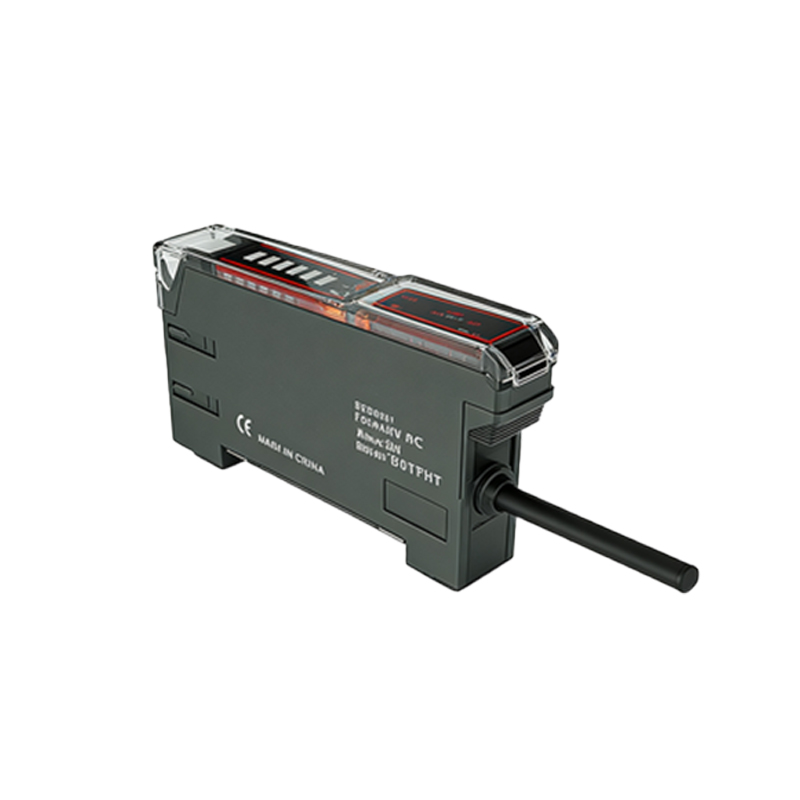
Proper installation is essential for optimal sensor performance. The emitter and receiver must be precisely aligned on stable mounts to maintain beam integrity. Using alignment tools, such as laser pointers or built-in indicator LEDs, simplifies this process. It is advisable to install sensors away from direct mechanical contact or flying debris, utilizing protective housings if necessary. Cabling should be routed separately from power lines to prevent electromagnetic interference. Regular maintenance, including lens cleaning and alignment checks, prevents false triggers or failures. Integrating sensors with the press brake's PLC requires correct wiring and parameter setting, often involving teach-in modes for defining detection thresholds specific to the application.
Common Challenges and Troubleshooting
Despite their robustness, through-beam sensors can face issues in harsh industrial settings. Misalignment due to machine vibration is a frequent problem, leading to intermittent signals. Verifying mounting stability and using vibration-dampening pads can mitigate this. Accumulation of dust or coolant on lenses may attenuate the light beam, causing detection failures; scheduled cleaning resolves this. Electrical noise from nearby equipment might interfere with sensor output, necessitating shielded cables and proper grounding. If a sensor fails to detect, technicians should check power supply, alignment, and lens condition, and consult diagnostic indicators on the sensor units. Understanding these challenges ensures minimal downtime and sustained accuracy.
Future Trends and Technological Advancements
The evolution of through-beam sensors is closely tied to Industry 4.0 and smart manufacturing trends. Modern sensors now feature IO-Link connectivity, enabling real-time data exchange on parameters like signal strength and operating hours for predictive maintenance. Integration with AI-powered vision systems allows for more complex detection scenarios, such as identifying bent part geometries. Enhanced laser models offer finer beam diameters for ultra-precise positioning in micro-bending applications. Additionally, safety-rated sensors with SIL or PL certifications are becoming standard, aligning with stringent global safety regulations. These advancements promise to further elevate the efficiency, safety, and intelligence of press brake operations in the coming years.