Introduction to Proximity Sensors
Proximity sensors are essential components in modern industrial automation, designed to detect the presence or absence of objects without physical contact. These devices operate by emitting electromagnetic fields, light, or sound waves and analyzing changes in the return signal. Widely used in manufacturing, robotics, and safety systems, proximity sensors enhance efficiency, reduce wear, and enable precise control. Their non-contact nature minimizes maintenance needs and extends equipment lifespan, making them indispensable in harsh environments where reliability is critical. This article explores the primary types of proximity sensors, detailing their working principles and typical applications.
Inductive Proximity Sensors
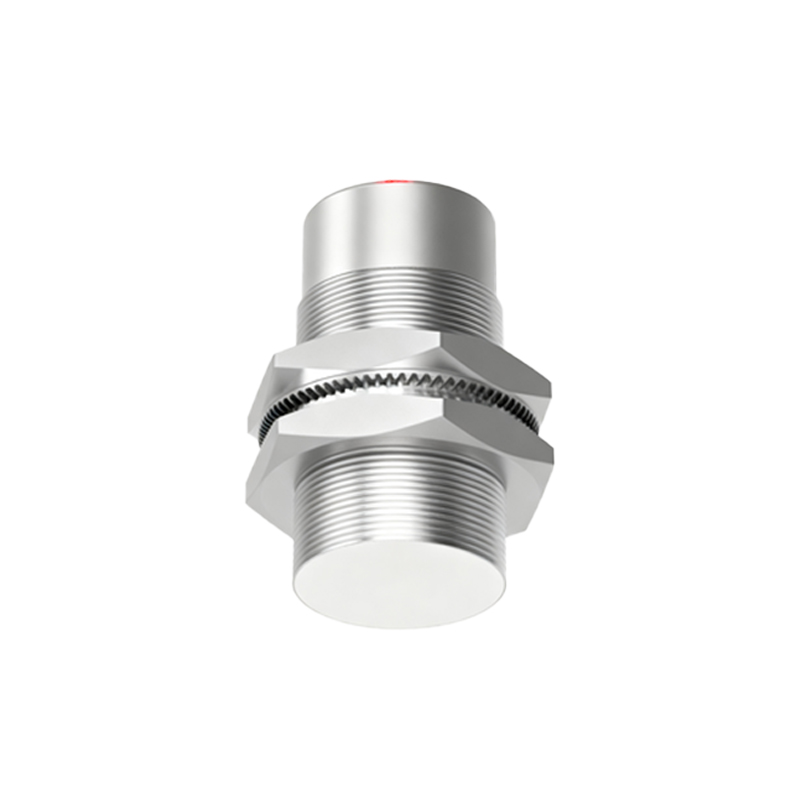
Inductive proximity sensors are specifically designed to detect metallic objects. They generate an oscillating electromagnetic field from a coil and oscillator circuit. When a metal target enters this field, eddy currents are induced, causing a change in oscillation amplitude. This alteration triggers the sensor's output switch. Common metals like steel, aluminum, and copper can be detected, with detection ranges typically up to 60 mm depending on the sensor size and material. These sensors are ideal for applications such as position sensing in conveyor systems, metal part counting, and machine tool monitoring. Their robustness against dust, oil, and moisture makes them suitable for demanding industrial settings.
Capacitive Proximity Sensors
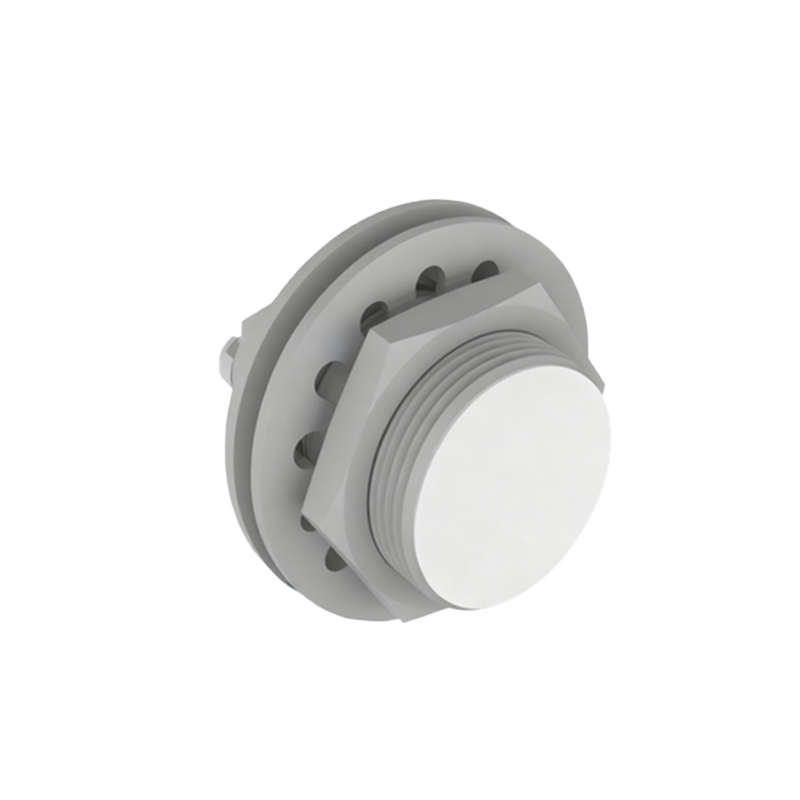
Capacitive proximity sensors can detect both metallic and non-metallic materials, including liquids, plastics, and wood. They function by measuring changes in capacitance between the sensor's electrode and the target object. When an object approaches, it alters the dielectric constant of the surrounding space, increasing capacitance and activating the output. Detection ranges generally extend up to 40 mm, adjustable via sensitivity controls. These sensors are commonly employed in level detection for tanks or silos, material handling for packaging, and presence sensing in food processing. Their ability to sense through non-metallic barriers adds versatility, though they may be affected by environmental factors like humidity.
Ultrasonic Proximity Sensors
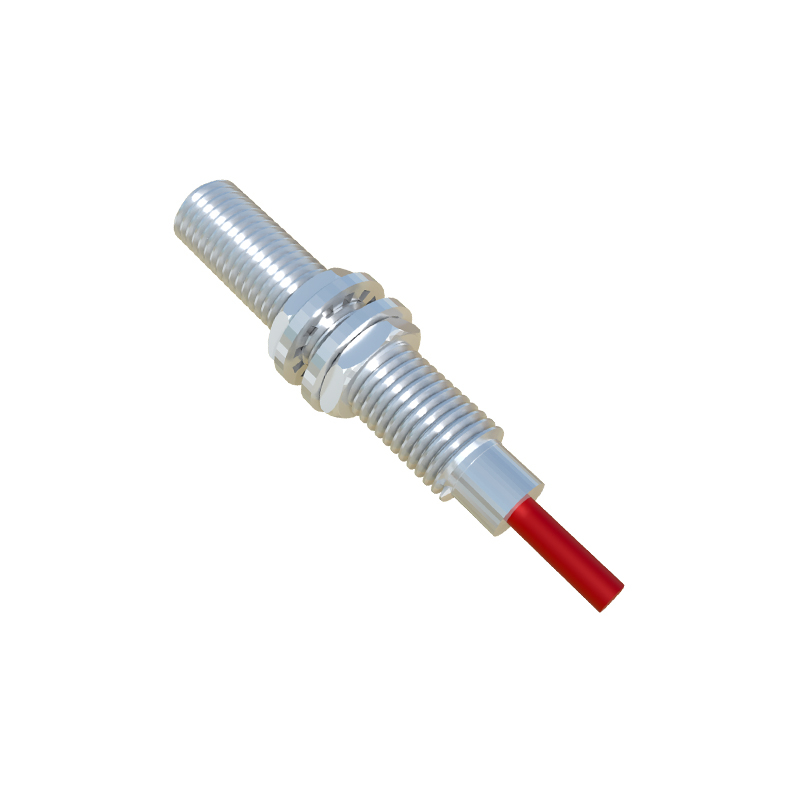
Ultrasonic proximity sensors use sound waves at frequencies above human hearing (typically 20 kHz to 200 kHz) to detect objects. They emit ultrasonic pulses and measure the time taken for echoes to return after hitting a target. Distance is calculated based on the speed of sound, allowing for precise ranging. These sensors can detect a wide variety of materials regardless of color, transparency, or surface texture, with ranges often exceeding 10 meters. Applications include liquid level control, object positioning in automated warehouses, and collision avoidance in vehicles. While effective in dusty or foggy conditions, performance may degrade with temperature fluctuations or air turbulence.
Photoelectric Proximity Sensors
Photoelectric proximity sensors operate by transmitting light beams (usually infrared, visible, or laser) and detecting reflections or interruptions. They are categorized into three main types: through-beam, retro-reflective, and diffuse reflective. Through-beam sensors have separate emitter and receiver units for long-range detection up to 100 meters. Retro-reflective models use a reflector to bounce light back, suitable for medium distances. Diffuse reflective sensors rely on light scattering from the target itself, ideal for shorter ranges. These sensors excel in detecting small objects, transparent materials, and high-speed operations, such as in bottling lines, packaging machinery, and security systems. Environmental factors like ambient light or dirt can affect accuracy.
Magnetic Proximity Sensors
Magnetic proximity sensors detect permanent magnets or magnetic fields using reed switches or Hall effect elements. Reed switch sensors contain ferromagnetic reeds that close when exposed to a magnetic field, providing a simple on/off signal. Hall effect sensors generate a voltage proportional to magnetic field strength, enabling analog output for position measurement. Detection ranges are typically limited to a few centimeters, but they offer high reliability and fast response times. Common uses include door and window position sensing in safety interlocks, cylinder position detection in pneumatic systems, and speed monitoring in motors. Their sealed construction resists vibration, shock, and contaminants.
Selection Criteria and Applications
Choosing the right proximity sensor depends on factors like target material, detection distance, environmental conditions, and output requirements. Inductive sensors are best for metals in dirty environments, while capacitive sensors handle diverse materials including liquids. Ultrasonic sensors offer long-range detection but may be sensitive to temperature. Photoelectric sensors provide versatility for non-contact sensing of various shapes and colors, though they require clean optics. Magnetic sensors are optimal for harsh conditions with moving parts. In practice, these sensors integrate into systems for automation, quality control, and safety, such as in automotive assembly, pharmaceutical production, and material handling logistics. Regular calibration and maintenance ensure optimal performance.