Introduction to LNK Proximity Sensors
LNK proximity switch sensors are widely utilized in industrial automation for non-contact detection of metallic objects. These sensors operate based on electromagnetic principles, generating an oscillating field that is disturbed by the presence of a target, triggering a switching action. The 3-wire configuration is particularly common due to its balance of functionality and simplicity, offering reliable performance in diverse applications such as conveyor systems, robotic arms, and safety interlocks. This design typically includes wires for power supply, ground, and output signal, enabling seamless integration with programmable logic controllers (PLCs) and other control systems. Understanding the wiring and operational characteristics of these sensors is crucial for engineers to ensure optimal system efficiency and minimize downtime in production environments.
Key Components and Wiring Details
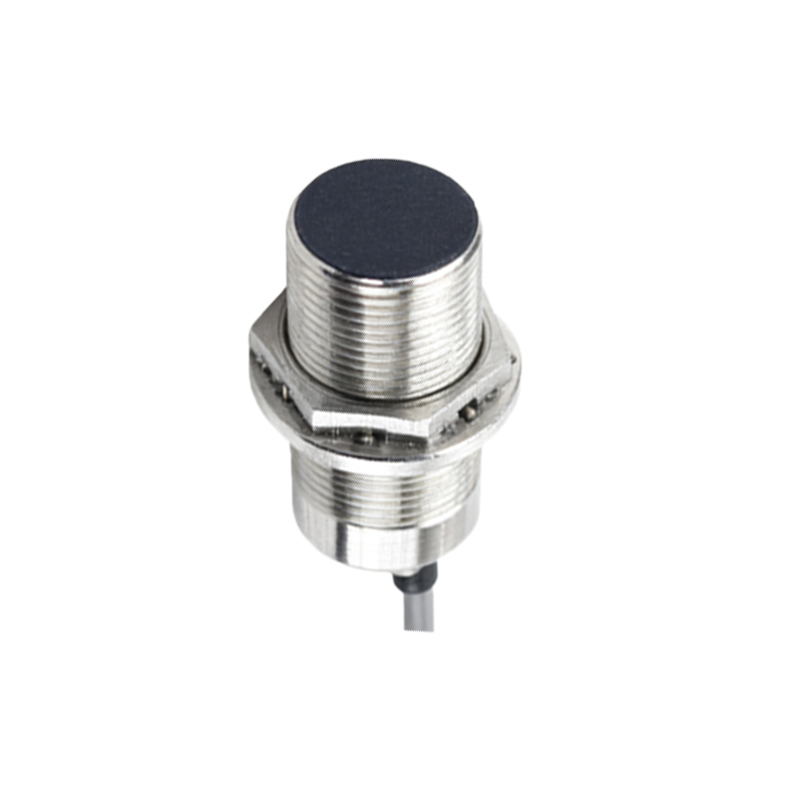
A standard LNK 3-wire proximity sensor comprises three distinct wires: brown (positive), blue (negative or ground), and black (output). The brown wire connects to the positive DC voltage supply, usually ranging from 10 to 30 VDC, while the blue wire is linked to the common ground. The black wire serves as the output signal line, which switches state—either normally open (NO) or normally closed (NC)—when a target enters the sensing range. This configuration supports both sourcing (PNP) and sinking (NPN) output types, allowing flexibility in circuit design. Proper wiring is essential to prevent issues like short circuits or signal interference; engineers must adhere to manufacturer specifications regarding voltage ratings and load currents to maintain sensor longevity and accuracy in harsh industrial settings.
Operating Principles and Sensing Modes
LNK proximity sensors function through inductive or capacitive sensing, with inductive types being predominant for metal detection. They contain an oscillator coil that creates a high-frequency electromagnetic field. When a metallic object approaches within the preset sensing distance, eddy currents are induced in the target, dampening the oscillation and causing the sensor's output to change state. The 3-wire design facilitates this by providing stable power and a clear signal path. Key parameters include sensing range (typically up to 15 mm for standard models), response time (often in milliseconds), and environmental resistance to factors like dust, moisture, and temperature fluctuations. Engineers should calibrate these sensors based on application needs, considering factors such as target material, size, and installation orientation to avoid false triggers.
Advantages of the 3-Wire Configuration
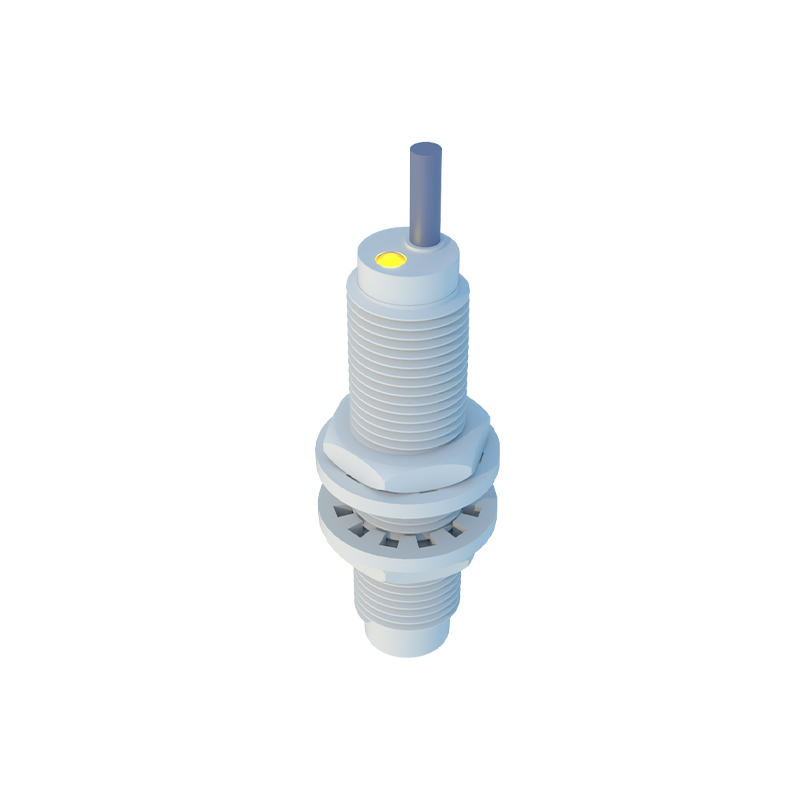
The 3-wire setup offers several benefits over 2-wire or 4-wire alternatives. It provides a dedicated output line, ensuring minimal voltage drop and reliable signal transmission, which is critical for high-speed automation processes. This configuration also simplifies installation and maintenance, as the separate power and output wires reduce complexity in control panels. Additionally, LNK sensors with 3 wires often feature built-in protection against reverse polarity, overload, and short circuits, enhancing durability in demanding industrial environments. Their compatibility with a wide range of PLCs and relays makes them versatile for upgrading existing systems or designing new automation solutions, contributing to improved productivity and safety.
Common Applications and Installation Tips
In practice, LNK 3-wire proximity sensors are employed across various sectors, including manufacturing, packaging, and automotive assembly. They are ideal for position sensing, object counting, and limit switching tasks. For successful installation, engineers should mount the sensor securely, ensuring proper alignment with the target and avoiding nearby metal objects that could cause interference. It's recommended to use shielded cables in electrically noisy environments to prevent signal degradation. Regular testing with a multimeter or oscilloscope can verify output performance, while periodic cleaning of the sensor face helps maintain accuracy. Adhering to these best practices extends sensor life and reduces operational disruptions, supporting continuous industrial workflows.
Troubleshooting and Maintenance Guidelines
Despite their robustness, LNK 3-wire sensors may encounter issues such as false triggering, reduced sensing range, or output failure. Common causes include incorrect wiring, power supply fluctuations, or environmental damage. To troubleshoot, first check the voltage at the brown and blue wires to ensure it matches specifications. Next, inspect the output signal on the black wire using a diagnostic tool; if absent, the sensor may require replacement. Maintenance involves routine visual inspections for physical wear, cleaning with non-abrasive materials, and verifying connections for corrosion. Keeping spare sensors on hand and documenting performance logs can aid in quick resolution of problems, minimizing downtime in critical automation systems.