Introduction to the R58 Photoelectric Sensor
The R58 photoelectric sensor is a widely utilized component in industrial automation, known for its reliability in detecting objects, measuring distances, and monitoring processes. A key feature of this sensor is its indicator light, which provides immediate visual feedback on the device's operational status. This light is typically integrated into the sensor housing and serves as a critical diagnostic tool for engineers and technicians. Understanding the signals conveyed by this indicator can significantly enhance maintenance efficiency and system uptime. In this article, we will delve into the specifics of the R58 sensor's indicator light, exploring its functions, common patterns, and troubleshooting methods.
Functions of the Indicator Light
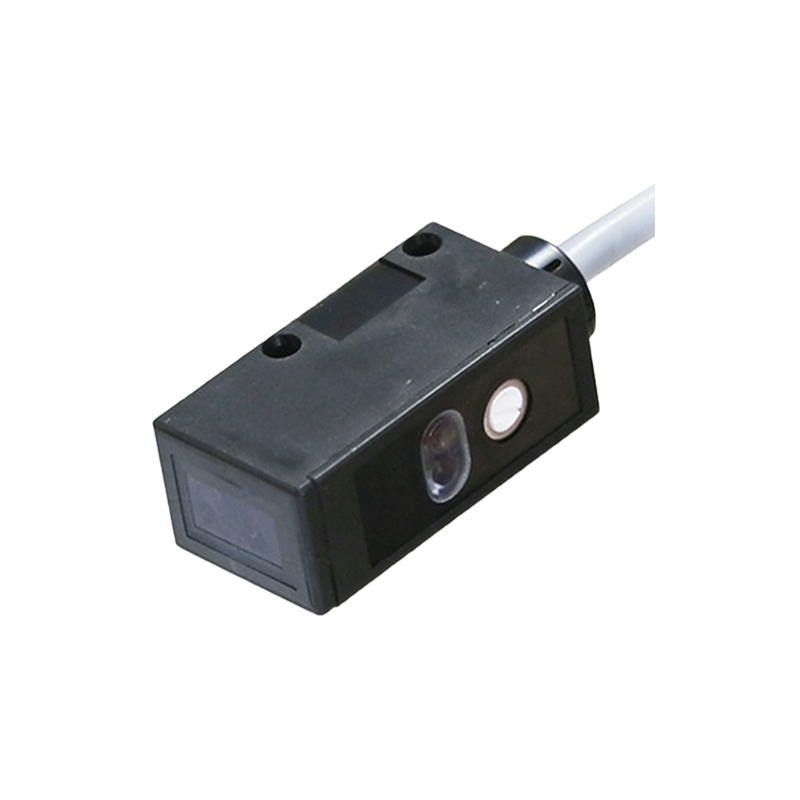
The indicator light on the R58 photoelectric sensor performs multiple essential functions. Primarily, it shows the power status, confirming whether the sensor is receiving adequate electrical supply. When the sensor is powered on and functioning normally, the light may emit a steady green glow, indicating proper operation. Additionally, the light can signal detection events; for instance, it might blink or change color when an object is within the sensing range. This real-time feedback allows operators to verify that the sensor is responding correctly to environmental changes. Some models also use the indicator to display error codes through specific flashing sequences, aiding in quick fault identification.
Common Indicator Light Patterns and Their Meanings
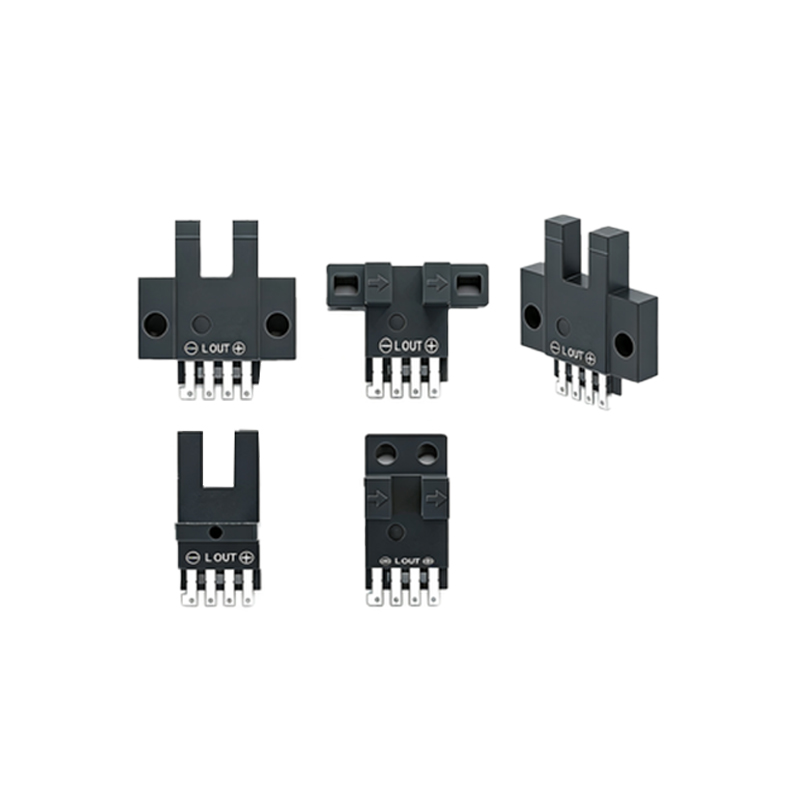
Interpreting the indicator light patterns is crucial for effective sensor management. A steady green light usually denotes normal operation with no object detected, while a steady red light might indicate that an object is present within the sensing field. Flashing patterns, such as rapid blinking or alternating colors, often correspond to specific statuses or errors. For example, a slow blinking green light could signal a marginal signal strength, suggesting potential alignment issues or contamination on the lens. A fast blinking red light might indicate a wiring fault or power supply problem. Consulting the R58 sensor's manual is recommended to decode these patterns accurately, as variations can exist between different models and manufacturers.
Troubleshooting Based on Indicator Light Signals
When the indicator light shows abnormal behavior, systematic troubleshooting can help resolve issues promptly. If the light does not illuminate at all, first check the power connections and voltage levels to ensure the sensor is properly energized. Inspect cables for damage or loose contacts. If the light flashes erratically, examine the sensing environment for obstacles, dust, or misalignment that could interfere with the optical path. Cleaning the lens and realigning the sensor often restores normal operation. For persistent error indications, resetting the sensor or recalibrating its settings may be necessary. In cases where the light indicates a hardware failure, contacting technical support or replacing the sensor might be required.
Best Practices for Maintenance and Optimization
To maximize the lifespan and performance of the R58 photoelectric sensor, regular maintenance is essential. Periodically clean the indicator light area and lens to prevent dirt accumulation that could obscure visibility or affect sensing accuracy. Ensure the sensor is mounted securely to avoid vibrations that might lead to false readings or physical damage. Monitor the indicator light during routine inspections to catch early signs of wear or malfunction. Additionally, keep the sensor's firmware updated if applicable, as manufacturers may release improvements that enhance indicator functionality. Training personnel on interpreting light signals can also reduce downtime by enabling swift responses to issues.
Conclusion and Final Insights
The indicator light on the R58 photoelectric sensor is more than just a simple status beacon; it is a vital communication interface between the device and its users. By mastering its meanings and responses, engineers can maintain smoother operations, reduce diagnostic time, and prevent costly breakdowns. Always refer to official documentation for model-specific details, and integrate sensor monitoring into broader automation strategies. With proper attention to this small yet powerful feature, the R58 sensor can continue to deliver reliable service in diverse industrial applications, from packaging lines to robotic systems.