Understanding Proximity Sensor Model Numbering Systems
Proximity sensor model numbers are not random sequences; they are coded identifiers that convey critical information about the sensor's specifications and physical dimensions. Most leading manufacturers, such as Omron, Sick, Pepperl+Fuchs, and Balluff, follow a structured alphanumeric system. Typically, the model number is broken down into segments, each representing a key attribute. The initial letters often denote the sensor series or family, which correlates with the technology type—inductive, capacitive, ultrasonic, or photoelectric. Following this, a series of numbers and letters usually indicate the specific size, sensing range, output type (PNP/NPN, analog, IO-Link), and electrical connection (e.g., M12, M8, M5 connectors). To decipher the size, one must locate the segment within this string that specifies the housing dimensions. This is often represented by codes like "M12," "M18," "M30," or "F5," which refer to the standard thread diameter of cylindrical sensors in millimeters. For rectangular or block-style sensors, codes might include dimensions like "20x20x10" or a specific housing code like "C40." The key is to obtain the manufacturer's datasheet or catalog, where a detailed breakdown of the model number nomenclature is always provided.
Key Parameters Indicating Physical Size
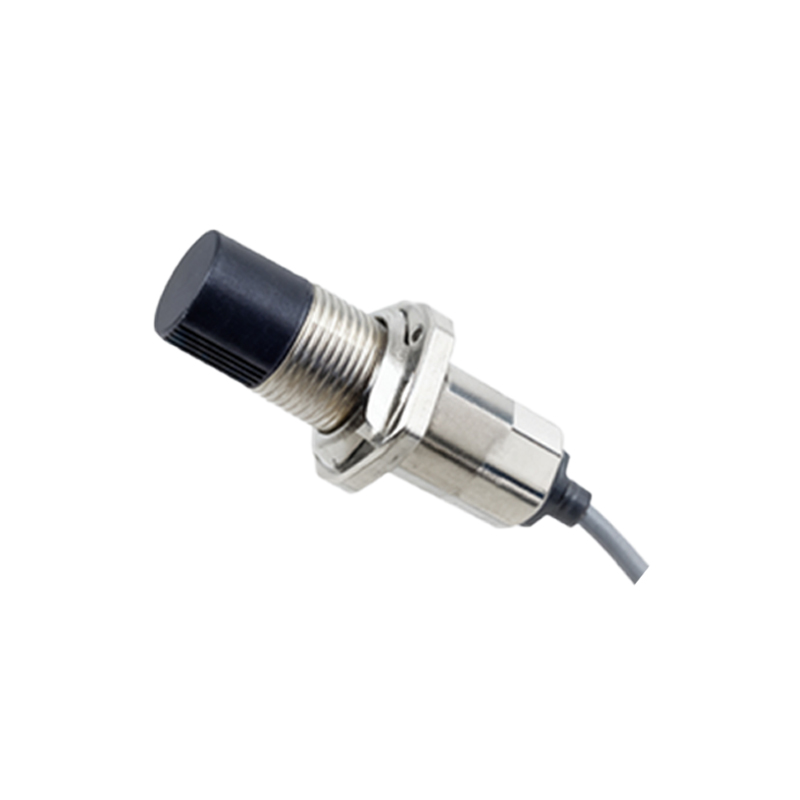
The physical size of a proximity sensor is primarily defined by its housing dimensions, which are directly linked to its model designation. For cylindrical threaded barrels, the most immediate indicator is the thread size. An inductive sensor with "M12" in its model number, for instance, has a 12mm diameter threaded barrel. Common standard sizes include M4, M5, M8, M12, M18, and M30. Larger thread diameters like M18 or M30 generally accommodate longer sensing ranges and more robust construction. For rectangular sensors, the model number may embed the housing's width, height, and depth. Beyond the housing, the "form factor" is another crucial aspect hinted at in the model. Terms like "miniature," "standard," "flat," or "slot-type" within the model family name give an immediate visual cue about the sensor's profile and intended mounting space. The size directly impacts performance: a smaller M5 sensor offers a very short sensing range (1-2mm) and is used in tight spaces, while a larger M30 sensor can detect objects from 15-40mm away, suitable for heavier industrial environments.
Cross-Referencing Datasheets for Dimensional Drawings
Once a potential model number is identified, the single most important step is to consult the official product datasheet. The datasheet provides precise mechanical drawings with all critical dimensions. These drawings detail the body diameter or housing dimensions, thread length, overall length, and the position of the sensing face. They also specify mounting requirements, such as nut dimensions and recommended clearance around the sensor for proper operation. Engineers must pay close attention to these drawings to ensure the sensor fits the allocated mechanical space and does not interfere with adjacent components or the target object's path. Furthermore, the datasheet lists the "housing material" (often nickel-plated brass or stainless steel), which can slightly affect tolerances. For non-cylindrical sensors, detailed footprint and mounting hole patterns are provided. Never assume size based on model number alone; always verify with the dimensional drawing to avoid installation conflicts.
Decoding Size-Related Performance Specifications
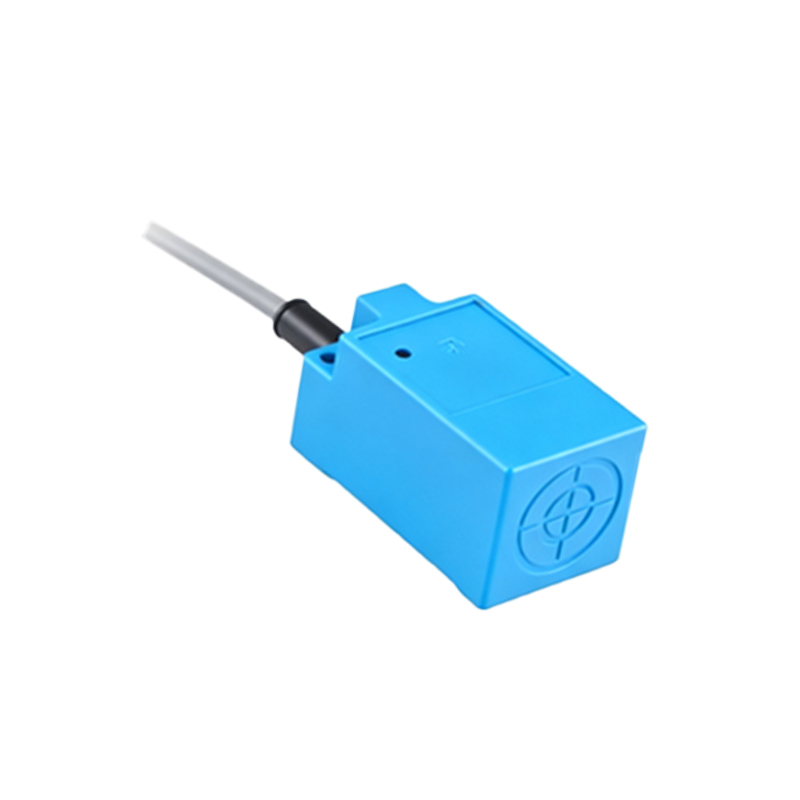
The model size is intrinsically linked to the sensor's performance limits. Key specifications that scale with size include the "sensing distance" (Sn) and the "repeatability." A larger housing typically allows for a larger coil (in inductive sensors) or a larger oscillator, enabling a longer nominal sensing range. For example, an M8 inductive sensor may have a standard sensing range of 2mm, while an M30 version of the same technology might offer 15mm. The model number often encodes a variant code for this range (e.g., "-A2" for 2mm). Another critical factor is the "embeddable" or "non-embeddable" mounting style, which affects the usable sensing distance and is frequently indicated in the model series. "Embeddable" (flush-mounted) sensors have shielded designs that allow installation in metal without interference but have a reduced range. The model number helps distinguish these. The required "supply voltage" and "output current" are less tied to physical size but are essential for electrical integration and are always specified in the model's suffix or in the accompanying datasheet table.
Practical Steps for Model Identification and Selection
When faced with an