Introduction to Retro-reflective Photoelectric Sensors
Retro-reflective photoelectric sensors, a cornerstone of industrial automation, operate on a principle of light reflection. Unlike through-beam sensors requiring separate emitter and receiver units, retro-reflective models house both within a single housing. The emitter projects a light beam towards a specially designed reflector. This reflector, typically a prismatic or corner-cube type, returns the light beam directly back to the receiver along the same path, regardless of the angle of incidence. This design simplifies installation and alignment, as only one device and a reflector need to be mounted, reducing wiring complexity and cost compared to through-beam setups. The core function is object detection: when an object interrupts the beam between the sensor and the reflector, the received light intensity drops, triggering a switching output. This makes them exceptionally versatile for detecting the presence, absence, or passage of objects on conveyor lines, in packaging machinery, and at access points.
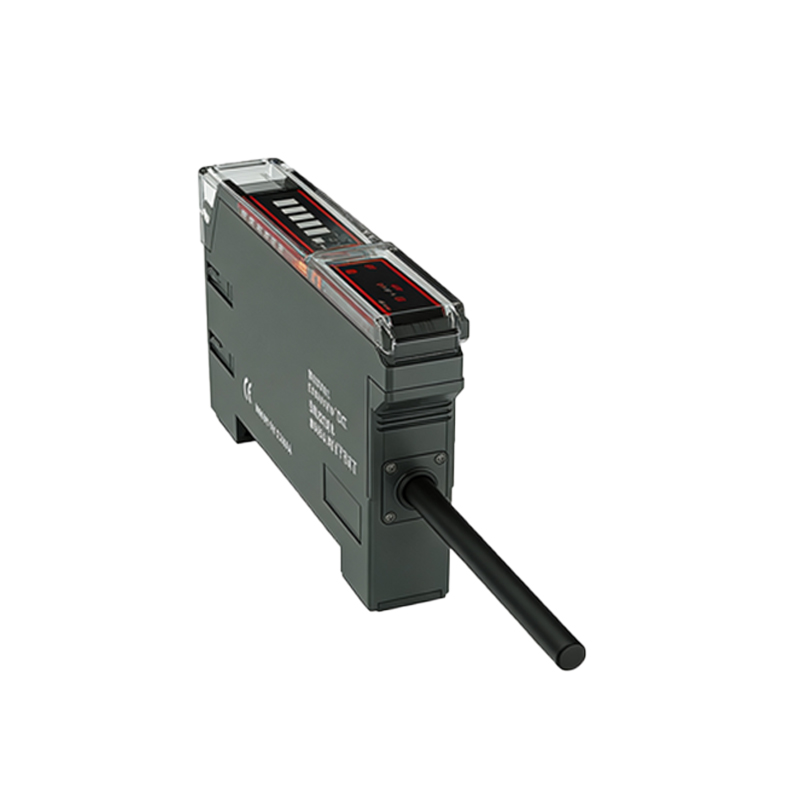
Omron's Technological Edge in Sensor Design
Omron Electronics has established a formidable reputation by integrating advanced technologies into its retro-reflective photoelectric sensor portfolio. A key innovation is the incorporation of polarized filters. Standard retro-reflective sensors can be fooled by highly reflective surfaces (like polished metal or glass) that might bounce sufficient light back to the receiver, causing a false "no object" signal. Omron's polarized models solve this. The emitter sends out polarized light. The specialized reflector is designed to depolarize the light before sending it back. The receiver's polarizing filter is oriented perpendicularly, so it only accepts this depolarized return beam. Shiny objects, however, reflect light without changing its polarization, and this light is blocked by the receiver's filter, ensuring reliable detection. Furthermore, Omron employs sophisticated optics and stable LED light sources (often red or infrared) to achieve long sensing distances, sometimes exceeding 10 meters, with exceptional consistency and longevity, minimizing maintenance downtime.
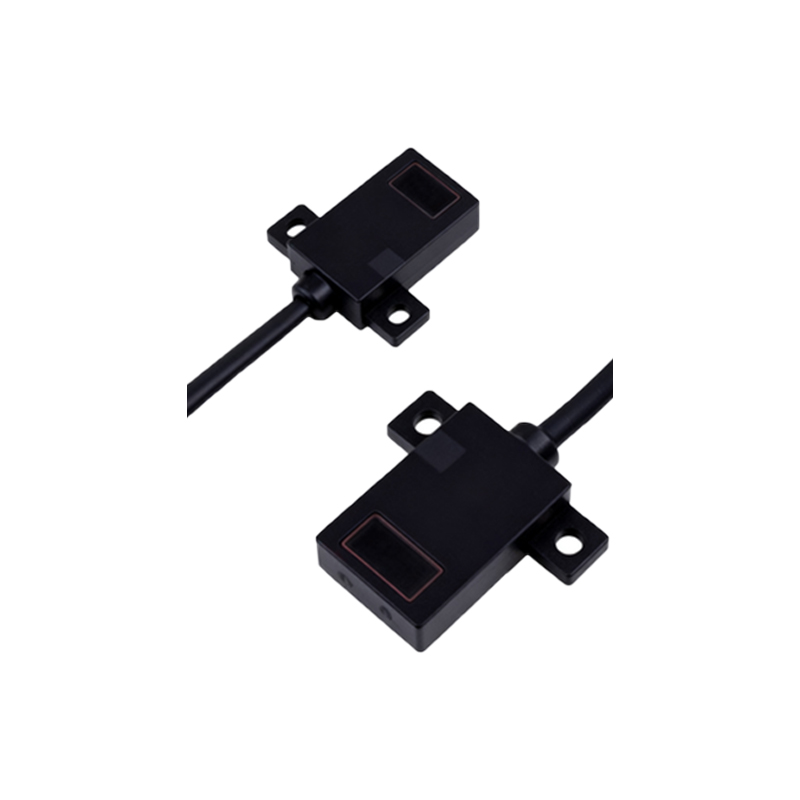
Key Features and Product Variations
Omron's range caters to diverse industrial demands. Models are available with different output types: NPN or PNP transistor outputs for direct PLC interfacing, and relay outputs for higher power loads. Many feature adjustable sensitivity via potentiometers or teach-in functions, allowing fine-tuning to ignore background interference or detect translucent objects. The E3Z-R series, for example, is renowned for its robust, rectangular stainless-steel housing, offering IP67 and IP69K protection against water, oil, and dust ingress, making it suitable for harsh food & beverage or washdown environments. For space-constrained applications, compact cylindrical models like the E3S-R provide high performance in a small form factor. Advanced versions include background suppression functionality, which uses triangulation to detect objects only within a precise, defined distance zone, ignoring the reflector beyond it—ideal for detecting objects on a conveyor regardless of the belt's color or reflectivity.
Application Scenarios in Modern Industry
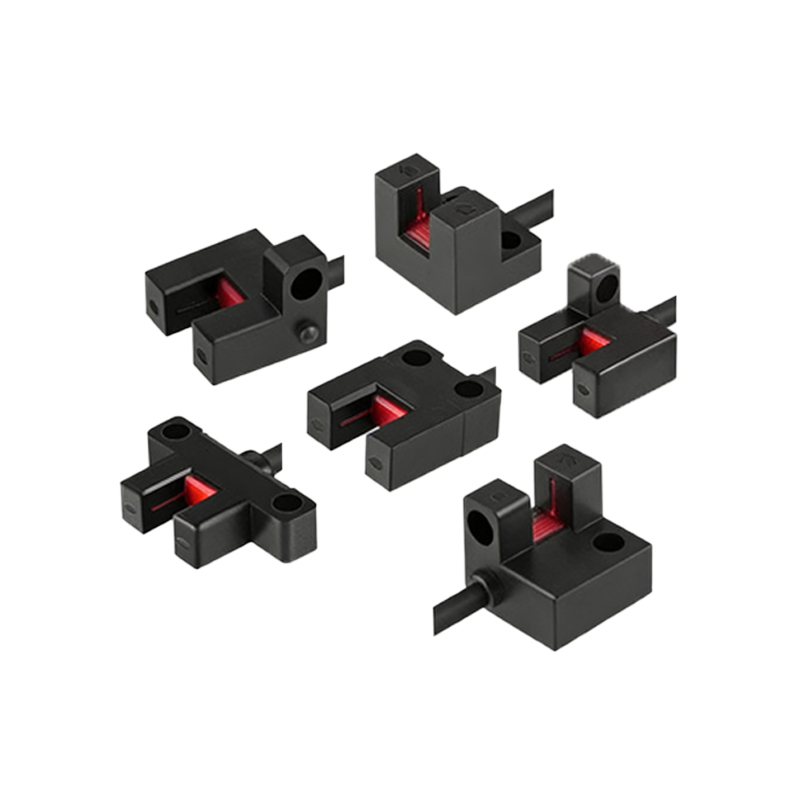
The practical applications of Omron retro-reflective sensors are vast. In material handling, they are pivotal for carton presence detection on filling lines, bottle counting on conveyors, and pallet positioning in automated storage and retrieval systems (AS/RS). In packaging machinery, they ensure film break detection, label verification, and product positioning before sealing or wrapping. Within automotive assembly, these sensors verify component placement, detect robot end-effector positions, and monitor automated guided vehicle (AGV) pathways. The polarized versions are indispensable in bottling plants for detecting clear glass or plastic bottles, and in metalworking for reliably sensing shiny machined parts. Their robustness also makes them perfect for outdoor or dirty environments, such as detecting vehicles at gate barriers or monitoring bulk material levels.
Installation, Alignment, and Maintenance Best Practices
Correct installation is crucial for optimal performance. The sensor and reflector must be aligned as coaxially as possible. Many Omron sensors feature visible red LED beams or alignment indicators (stable light vs. blinking) to simplify this process. It is critical to ensure the detection path is free from obstructions like dust, steam, or vibrating machinery that could cause intermittent beam breaks. The choice of reflector size should match the sensing distance; larger reflectors are used for longer ranges. Regular maintenance involves cleaning the lens and reflector surface to prevent buildup of grime that attenuates the light signal. Checking for loose mounting brackets due to vibration is also important. Leveraging Omron's built-in stability indicators (like green LED for stable operation) helps in proactive maintenance, preventing unexpected line stoppages.
Advantages Over Other Sensing Methods
Compared to through-beam sensors, retro-reflective models offer lower installation cost and simpler wiring, with only one device to power. Versus diffuse-reflective sensors, which detect light reflected directly off the target object, retro-reflective types provide much longer sensing ranges and are less susceptible to variations in the target object's color, texture, or reflectivity, as they rely on a consistent, high-quality reflector. While proximity sensors (inductive/capacitive) only detect metals or specific materials, photoelectric sensors like Omron's retro-reflective variants can detect virtually any solid object, transparent or opaque. This universality, combined with Omron's enhancements for challenging conditions, makes them a preferred, reliable choice for engineers designing robust automation systems where uptime and accuracy are paramount.
Future Trends and Omron's Roadmap
The future of photoelectric sensing, including retro-reflective types, is leaning towards greater intelligence and connectivity. Omron is at the forefront, integrating IO-Link communication into its sensors. This allows for remote configuration, real-time monitoring of operating status (like received light intensity), and predictive maintenance alerts, feeding data directly into Industry 4.0 frameworks. Expect continued miniaturization without sacrificing performance or environmental ratings. Furthermore, advancements in LED technology and signal processing algorithms will likely yield sensors with even longer ranges, higher immunity to ambient light, and the ability to differentiate between object types based on subtle light modulation patterns. Omron's commitment to R&D ensures its retro-reflective sensors will continue to evolve, providing the precision and reliability that modern smart factories demand.