Introduction to 24V Proximity Sensors
In the realm of industrial automation, 24V proximity sensors stand as fundamental components for non-contact object detection. These robust electronic devices operate on a standard 24-volt DC supply, making them the de facto choice for a vast majority of factory control systems and machinery. Unlike mechanical limit switches, they detect the presence or absence of a target without any physical contact, thereby eliminating mechanical wear and tear. This contactless operation ensures exceptional longevity and reliability, which is paramount in demanding production environments. Their primary function is to convert information about the presence of a metallic or, in some cases, non-metallic object into an electrical signal for a programmable logic controller (PLC) or other control unit.
Core Operating Principles and Types
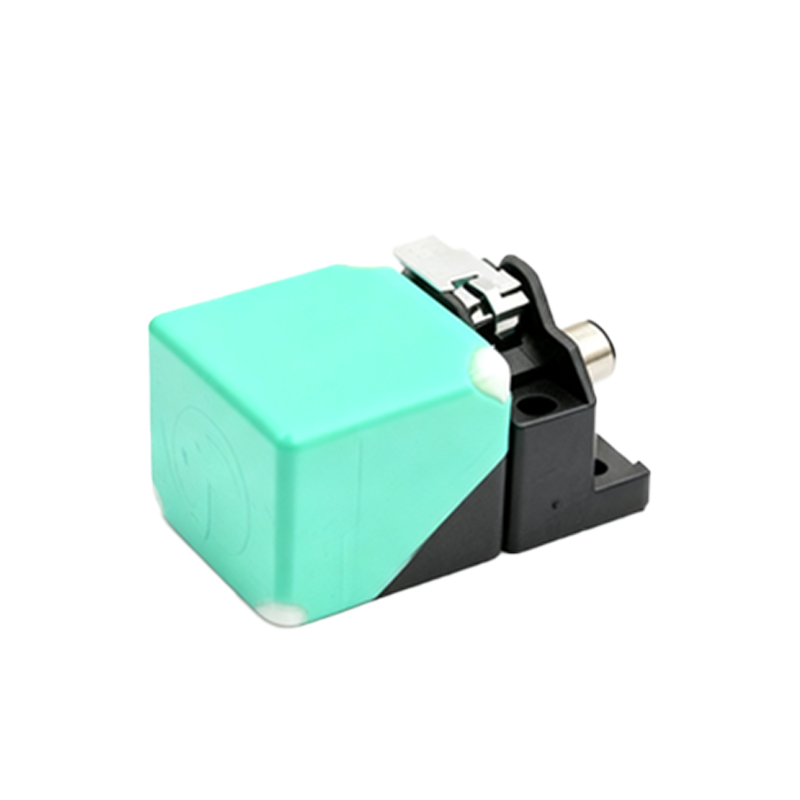
The functionality of a 24V proximity sensor is based on electromagnetic or capacitive fields. The most prevalent type is the inductive proximity sensor. It generates an oscillating electromagnetic field from its sensing face. When a metallic object enters this field, it induces eddy currents within the target, which dampens the oscillator's amplitude. This change is detected by the sensor's circuitry, triggering a solid-state output switch. For non-metallic targets like wood, plastic, or liquids, capacitive proximity sensors are used. These measure changes in capacitance caused by the target entering an electrostatic field. Both types provide a clean, fast, and bounce-free switching signal, crucial for high-speed counting, positioning, and end-of-travel detection tasks.
Key Technical Specifications and Selection Criteria
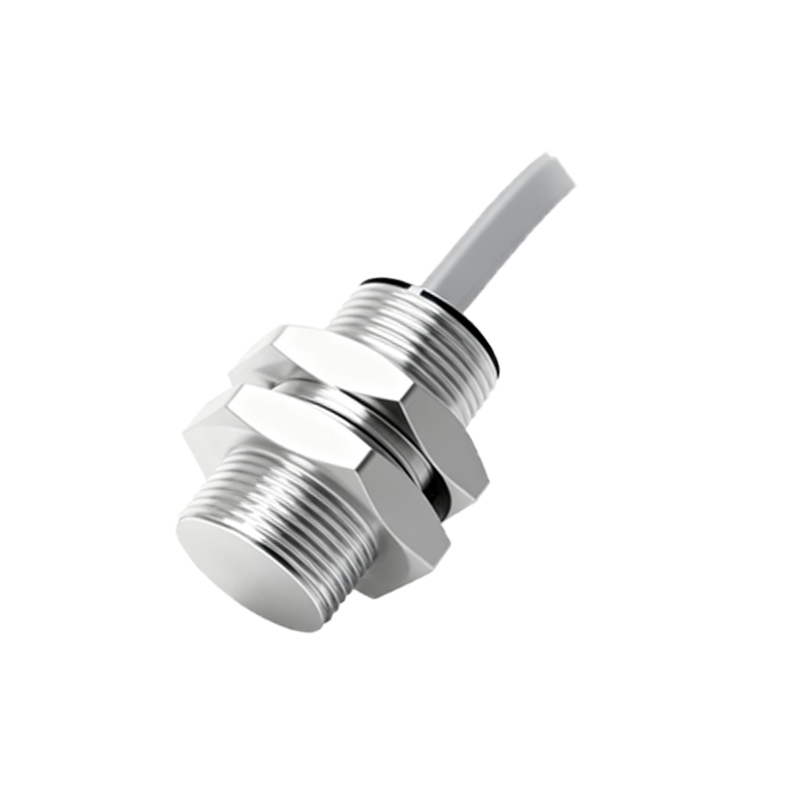
Selecting the correct 24V proximity sensor requires careful analysis of several parameters. The sensing distance, or nominal range, is critical and must be chosen with a safety margin to account for installation tolerances and target variations. The housing material, typically nickel-plated brass, stainless steel, or PBT plastic, must withstand the environmental conditions, including exposure to coolants, oils, and metal chips. Another vital specification is the output configuration: NPN (sinking) or PNP (sourcing), which must match the input card of the controller. Furthermore, engineers must consider the switching frequency, temperature range, and protection class (e.g., IP67 for dust and temporary immersion protection) to ensure seamless integration and long-term operation.
Wiring and Installation Best Practices
Proper installation is key to optimal performance. A standard 3-wire 24V DC sensor requires connections for positive voltage (brown wire), negative/common (blue wire), and the switched output signal (black wire). It is imperative to follow the manufacturer's wiring diagram precisely. The sensor should be mounted securely to prevent vibration-induced failures. Maintaining the recommended lateral and axial distance from metal mounting surfaces and other sensors is essential to prevent mutual interference, known as flanking. For flush-mounted cylindrical sensors, the sensing range is reduced, but they can be installed without a gap. Non-flush models offer longer ranges but require a clear lateral area.
Advantages in Modern Automation Systems
The integration of 24V proximity sensors brings numerous advantages to automated systems. Their high switching speed enables precise detection in fast-moving assembly lines. With no moving parts, they boast an exceptionally long operational life, measured in millions of cycles, reducing maintenance costs and downtime. Their solid-state output provides a clean signal free from contact bounce, enhancing control reliability. Furthermore, their inherent resistance to dirt, dust, and moisture (when appropriately rated) makes them ideal for harsh industrial settings where optical sensors might fail. This robustness directly contributes to increased machine availability and overall equipment effectiveness (OEE).
Common Applications Across Industries
The application spectrum for 24V proximity sensors is remarkably broad. In automotive manufacturing, they verify the presence of parts on pallets and control robotic welding arms. In packaging machinery, they detect foil lids, count products on conveyors, and monitor fill levels. Within material handling, they provide position feedback for automated guided vehicles (AGVs) and stack height control. They are also indispensable in metalworking for tool breakage detection and in automated storage systems for pallet positioning. Their versatility and reliability make them a universal solution for any application requiring precise, non-contact detection of objects.
Troubleshooting and Maintenance Tips
While highly reliable, sensors can encounter issues. Common problems include failure to detect a target, constant activation, or intermittent operation. Initial troubleshooting should always involve verifying the power supply voltage and checking wiring connections for integrity. Using a multimeter to test the output signal under load is a standard diagnostic step. Environmental factors like accumulated metallic debris on the sensing face or extreme temperature fluctuations can also cause malfunctions. Regular preventive maintenance, including visual inspection and cleaning of the sensor face, is recommended. Understanding the