Understanding the Impact of Water Fog on Photoelectric Sensors
In industrial settings, photoelectric sensors are essential for detecting objects, measuring distances, and ensuring process automation. However, water fog—a common environmental challenge in facilities like food processing plants, cold storage units, or outdoor applications—can severely compromise sensor performance. Water fog consists of tiny water droplets suspended in the air, which can scatter or absorb light beams emitted by through-beam or retro-reflective sensors. This interference leads to false triggers, reduced sensing ranges, or complete operational failure. For engineers, recognizing how water fog interacts with sensor optics is the first step toward implementing effective protection strategies. Unlike liquid water ingress, which might be addressed with enclosures, fog requires a multifaceted approach due to its airborne nature and ability to condense on surfaces over time.
Key Design Features for Fog-Resistant Sensors
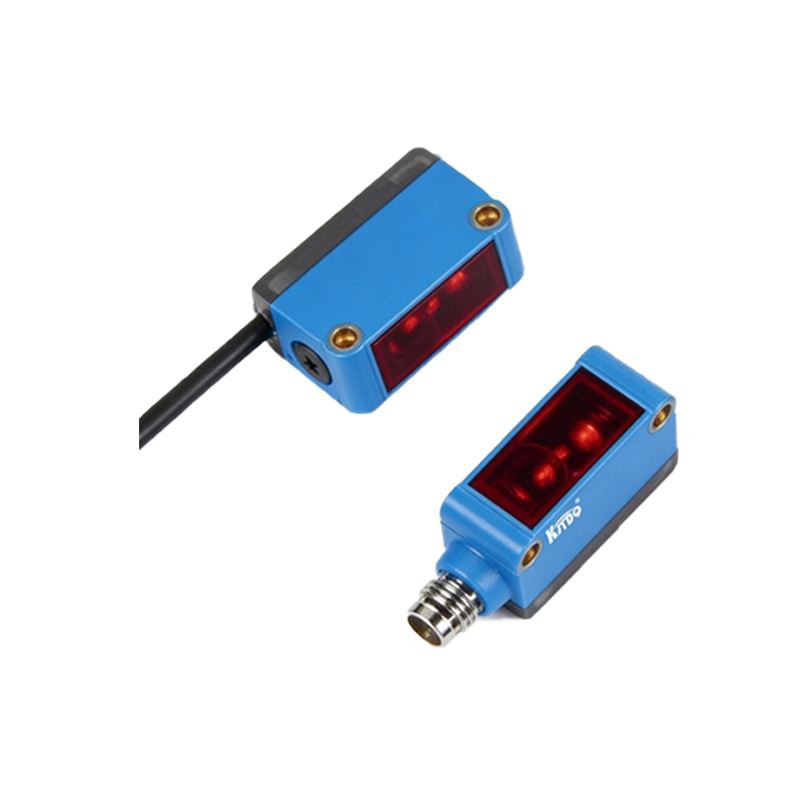
To combat water fog, modern photoelectric sensors incorporate specialized design elements. High-quality models feature IP67 or higher ingress protection ratings, ensuring sealed housings that prevent moisture penetration. Additionally, sensors with polarized lenses or optical filters can minimize false signals caused by light scattering from fog particles. Advanced models may include heated lens systems that gently warm the optical surface to prevent condensation buildup. Another critical aspect is the use of robust housings made from materials like stainless steel or polycarbonate, which resist corrosion and thermal shocks common in humid environments. Engineers should prioritize sensors with these features when selecting equipment for fog-prone applications, as they enhance reliability without requiring external modifications.
Installation Best Practices to Minimize Fog Interference
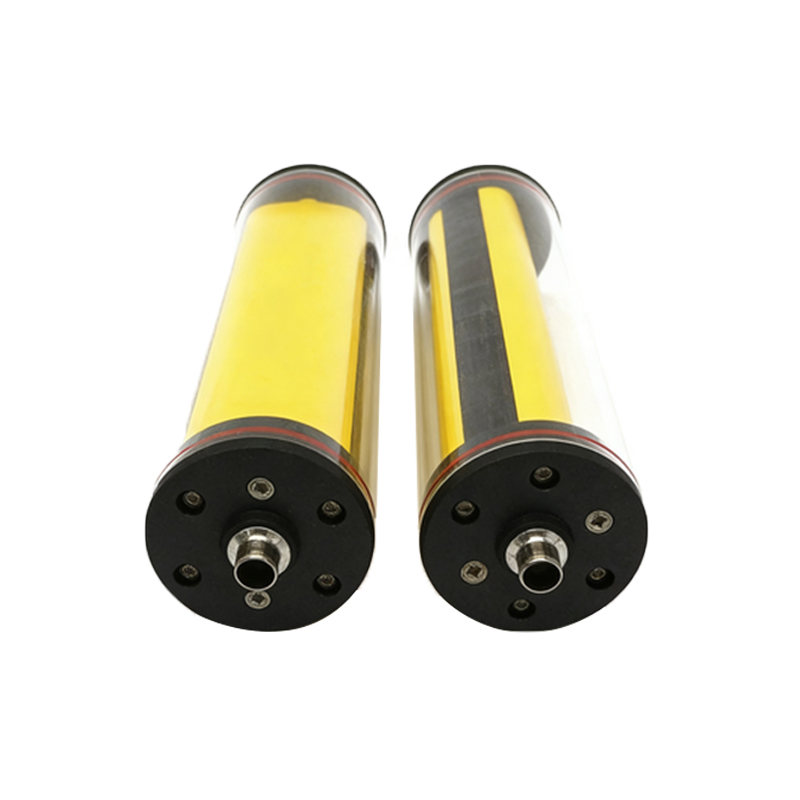
Proper installation plays a pivotal role in mitigating water fog effects. Positioning sensors away from direct sources of moisture, such as steam vents or cooling systems, can reduce exposure. Mounting sensors at a slight downward angle helps drain any accumulated condensation, while ensuring adequate ventilation around the unit prevents stagnant humid air. For through-beam sensors, aligning the emitter and receiver precisely minimizes the light path length through fog, improving signal integrity. In extreme cases, installing protective shrouds or air curtains that blow dry air across the sensor lens can create a localized fog-free zone. Regular maintenance checks should include cleaning lenses with anti-fog solutions to maintain optical clarity, as even minor residue can exacerbate fog-related issues.
Technological Solutions: Advanced Sensing Modes and Accessories
Beyond hardware design, technological innovations offer additional safeguards. Sensors with background suppression or diffuse reflective modes are less susceptible to fog interference because they rely on triangulation or intensity-based detection rather than direct beam integrity. Some industrial sensors integrate self-monitoring functions that alert operators to performance degradation from environmental factors like fog. Accessories such as protective housings with built-in air purging systems use compressed air to keep lenses clear, though these require an external air supply. For wireless or networked sensors, implementing software algorithms that filter out transient signal noise caused by fog can enhance data accuracy. Combining these technologies with robust hardware creates a comprehensive defense against water fog.
Case Studies: Real-World Applications and Outcomes
In a beverage bottling plant, water fog from cleaning processes previously caused frequent sensor malfunctions, leading to production downtime. By switching to IP69K-rated photoelectric sensors with heated lenses and installing them in shielded locations, the plant reduced failure rates by over 80%. Another example involves a maritime logistics facility where outdoor sensors faced constant coastal fog. Engineers deployed sensors with polarized optics and added protective air blowers, resulting in uninterrupted operation for cargo handling systems. These cases highlight that tailored solutions—based on environmental analysis and sensor capabilities—can yield significant improvements in uptime and safety, even in challenging conditions.
Future Trends in Fog-Resistant Sensor Development
The evolution of photoelectric sensors continues to address water fog challenges. Emerging trends include the use of hydrophobic nano-coatings on lenses that repel water droplets, enhancing clarity without external heat. Smart sensors with IoT connectivity can now predict fog-related failures by analyzing humidity and temperature data, enabling proactive maintenance. Additionally, advancements in laser-based sensors offer narrower beam angles that penetrate fog more effectively than traditional LED-based models. As industries adopt more automation in humid environments, demand for these innovations will grow, driving further research into materials and signal processing techniques that ensure reliable sensing regardless of atmospheric conditions.