Introduction to HFJ5 Proximity Switch Sensor
The HFJ5 proximity switch sensor represents a cornerstone of modern industrial automation, offering reliable non-contact detection for a myriad of applications. Engineered for durability and precision, this inductive sensor is designed to detect the presence of metallic objects without physical contact, thereby eliminating mechanical wear and ensuring long-term operational stability. Its robust construction typically features a nickel-plated brass or stainless-steel housing, providing excellent resistance to industrial contaminants such as coolants, oils, and metal chips. The HFJ5 series is renowned for its consistent performance in challenging environments, making it a preferred choice for engineers and maintenance personnel across sectors like automotive manufacturing, material handling, and packaging machinery.
Technical Specifications and Operating Principles
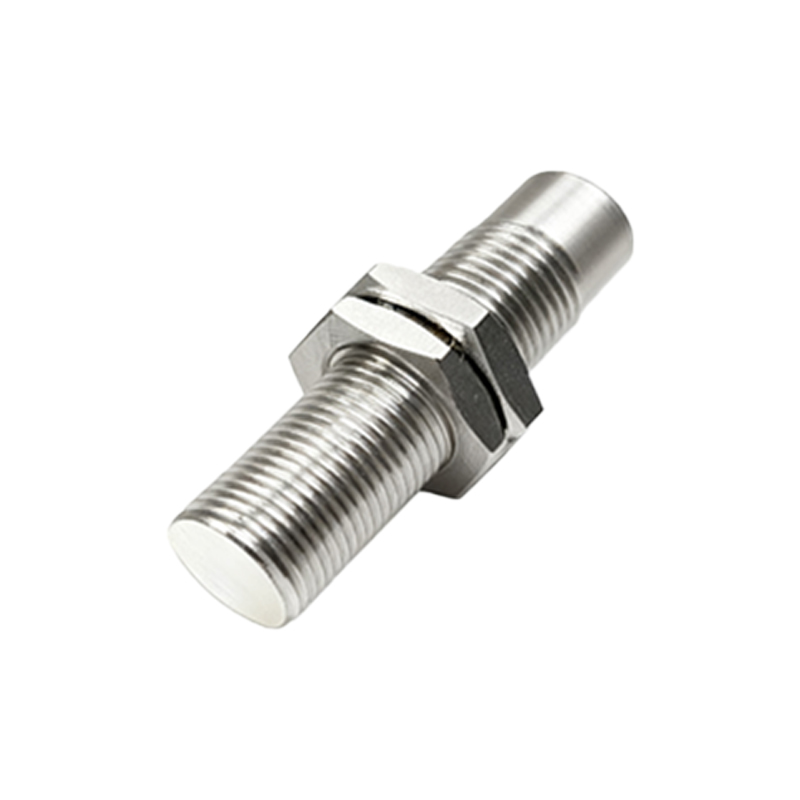
Operating on the principle of electromagnetic induction, the HFJ5 sensor generates an oscillating electromagnetic field from its sensing face. When a metallic target enters this field, eddy currents are induced within the target, causing a change in the oscillation amplitude. This change is detected by the sensor's internal circuitry, which subsequently triggers a switching signal. Key technical specifications often include a sensing range tailored for specific target materials (e.g., steel, aluminum), with standard models offering ranges from 2mm to 15mm. It typically functions on a wide DC voltage supply, such as 10-30V DC, and provides either a PNP (sourcing) or NPN (sinking) output configuration to interface seamlessly with programmable logic controllers (PLCs) and other control systems. Its high switching frequency and short-circuit protection are critical for high-speed automation processes.
Key Features and Performance Advantages
The HFJ5 proximity sensor boasts several distinctive features that enhance its utility. A standout characteristic is its embedded LED status indicator, which provides immediate visual confirmation of power and output state, significantly simplifying installation and troubleshooting. Many models in this series are equipped with overcurrent and reverse polarity protection, safeguarding the sensor and connected equipment from wiring errors. Furthermore, its temperature stability ensures consistent operation across a broad range, typically from -25°C to +70°C. The flush-mountable design allows for installation in metallic surroundings without a reduction in sensing distance, a critical factor for space-constrained applications. These attributes collectively contribute to reduced machine downtime and lower total cost of ownership.
Installation Guidelines and Wiring Considerations
Proper installation is paramount for optimal HFJ5 sensor performance. It is crucial to ensure the sensor is mounted securely, with its sensing face parallel to the target's approach path. Maintaining the specified nominal sensing distance and accounting for any reduction factors for non-ferrous metals is essential. For wiring, always refer to the manufacturer's datasheet. Generally, the brown wire connects to the positive voltage supply, the blue wire to the negative or common, and the black wire is the switched output. Utilizing shielded cables in electrically noisy environments is highly recommended to prevent false triggering. Adequate clearance from other metal objects and high-power cables minimizes interference and guarantees reliable switching behavior.
Common Applications in Industrial Automation
The versatility of the HFJ5 proximity switch sensor lends itself to countless automation tasks. In conveyor systems, it is extensively used for object detection, counting, and position verification. Within robotic cells, it serves as an end-of-arm tooling presence detector or a safety interlock for gripper positioning. Machine tools employ these sensors for tool breakage detection, spindle positioning, and pallet shuttle verification. In assembly lines, they monitor the presence of components like pistons, bearings, or fasteners. Their robustness also makes them ideal for harsh applications in foundries or stamping presses, where they detect metal billets or monitor die protection sequences.
Troubleshooting and Maintenance Best Practices
Despite their reliability, HFJ5 sensors may occasionally require troubleshooting. Common issues include failure to detect a target, constant activation, or intermittent operation. Initial checks should always involve verifying the power supply voltage and inspecting the LED indicator. Ensure the target material, size, and approach speed are within specifications. Accumulation of metallic debris on the sensing face can attenuate the field and must be cleaned regularly. Using a multimeter to check the output signal under load conditions can isolate wiring or load issues. Preventive maintenance involves periodic visual inspections for physical damage and cleaning with a soft cloth, avoiding abrasive or solvent-based cleaners that could damage the housing.
Comparison with Other Sensor Technologies
While the HFJ5 inductive sensor excels with metals, understanding its place among other technologies is vital. Compared to capacitive sensors, which can detect non-metallic materials, the HFJ5 is immune to most environmental factors like dust or humidity but is limited to metals. Versus photoelectric sensors, it offers superior performance