In the intricate world of automation and electronic sensing, where precision is paramount, a tiny yet critical component often operates in the shadows: the proximity sensor spring. This unassuming piece of engineered metal is far more than a simple mechanical part; it is the fundamental element ensuring reliable contact, consistent performance, and long-term durability in non-contact detection systems.
At its core, a proximity sensor detects the presence or absence of an object without physical contact, using electromagnetic fields, light, or sound. The spring within this assembly plays a multifaceted role. Primarily, it is responsible for maintaining the electrical connection between the sensor's internal components, such as the sensing face and the terminal pins or PCB (Printed Circuit Board). This constant, tensioned contact is vital for signal integrity. Any interruption or variance in this connection can lead to false readings, signal dropout, or complete sensor failure, compromising an entire automated process. The spring ensures that as the sensor is subjected to vibration, thermal expansion, or minor impacts—common in industrial environments—the electrical pathway remains secure and uninterrupted.
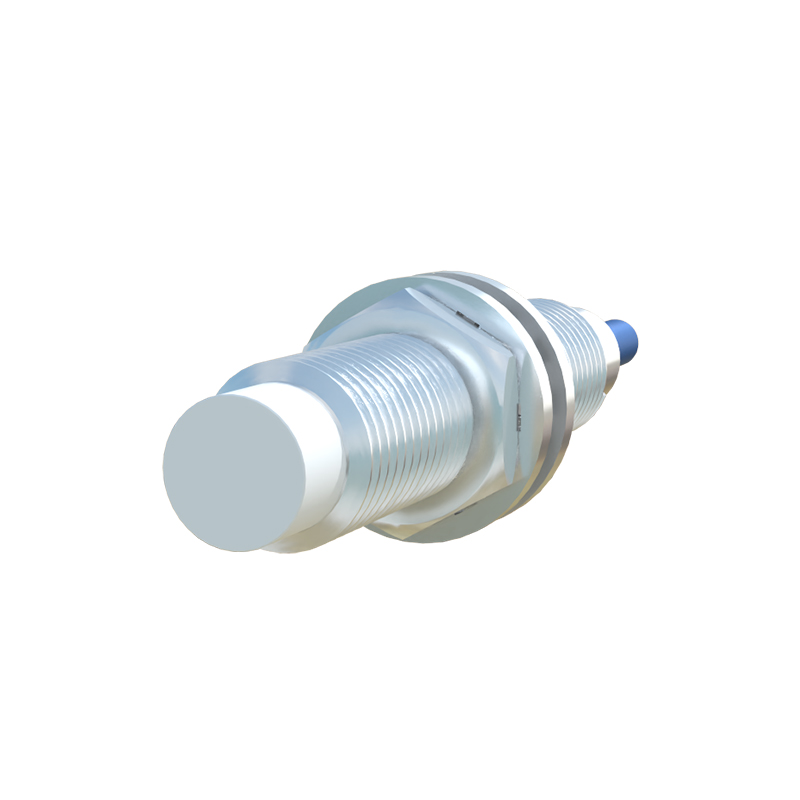
Furthermore, these springs are engineered for specific functionalities. In many cylindrical inductive or capacitive proximity sensors, a conical or helical spring sits behind the sensing coil or electrode. This design not only secures the component but can also provide a degree of shock absorption. For sensors with plug connectors, the spring is often integral to the pin or socket, providing the necessary gripping force for a secure mating connection that resists loosening. The material selection for these springs is a science in itself. Typically made from high-grade spring steels, phosphor bronze, or beryllium copper, they are chosen for their excellent conductivity, corrosion resistance, and, most importantly, their spring properties. The alloy must withstand millions of compression cycles without suffering from fatigue or "setting," where the spring loses its elasticity and fails to return to its original shape.
The manufacturing tolerances for proximity sensor springs are exceptionally tight. The force (measured in Newtons), the deflection rate, and the final height must be precisely controlled. An incorrectly calibrated spring can exert too much pressure, potentially damaging sensitive electronic components, or too little, leading to intermittent contact. Advanced manufacturing techniques, including precision coiling, heat treatment (tempering), and often electroplating with tin, gold, or silver are employed to enhance conductivity and prevent oxidation. This plating is crucial as it maintains a low-resistance contact surface over years of service, often in harsh conditions involving moisture, oils, or chemical vapors.
The consequences of spring failure are significant. In a high-speed packaging line, a single faulty sensor caused by a degraded spring can lead to misaligned products, jams, or incorrect counts, resulting in substantial downtime and material waste. In automotive assembly robots, reliable sensor feedback, ensured by these springs, is critical for safety and precision welding or placement. Therefore, when selecting or replacing a proximity sensor, the quality of its internal spring mechanism should be a key consideration. It is a primary differentiator between a robust, industrial-grade sensor and a less reliable alternative.
Looking forward, the evolution of proximity sensor springs mirrors advancements in miniaturization and material science. As sensors become smaller for applications in consumer electronics and advanced robotics, springs are being manufactured at microscopic scales using novel alloys and composites that offer superior performance in tiny form factors. The humble spring, therefore, continues to be a linchpin in the reliable operation of the invisible sensing network that underpins modern industry, proving that even the smallest component can hold the greatest responsibility for system integrity.