In the world of automation and smart technology, devices that can detect the presence or absence of an object without physical contact are fundamental. These devices are known as proximity sensors. They are ubiquitous, found in smartphones that turn off the screen during a call, in automotive parking assist systems, and on factory assembly lines where they count products or detect machine part positions. But what exactly constitutes a proximity sensor, and how does it function?
At its core, a proximity sensor is a non-contact sensor that detects the presence of an object (often termed the "target") within a specified range. The key principle is the absence of physical contact. The sensor emits a field or a beam of electromagnetic radiation, such as infrared light, or uses an electromagnetic field. When an object enters this field, it causes a change in the signal. The sensor's circuitry detects this change and converts it into an electrical signal that can be interpreted by a connected device or controller, triggering a predefined action.
There are several primary types of proximity sensors, each based on different detection principles and suited for specific applications. The most common types include:
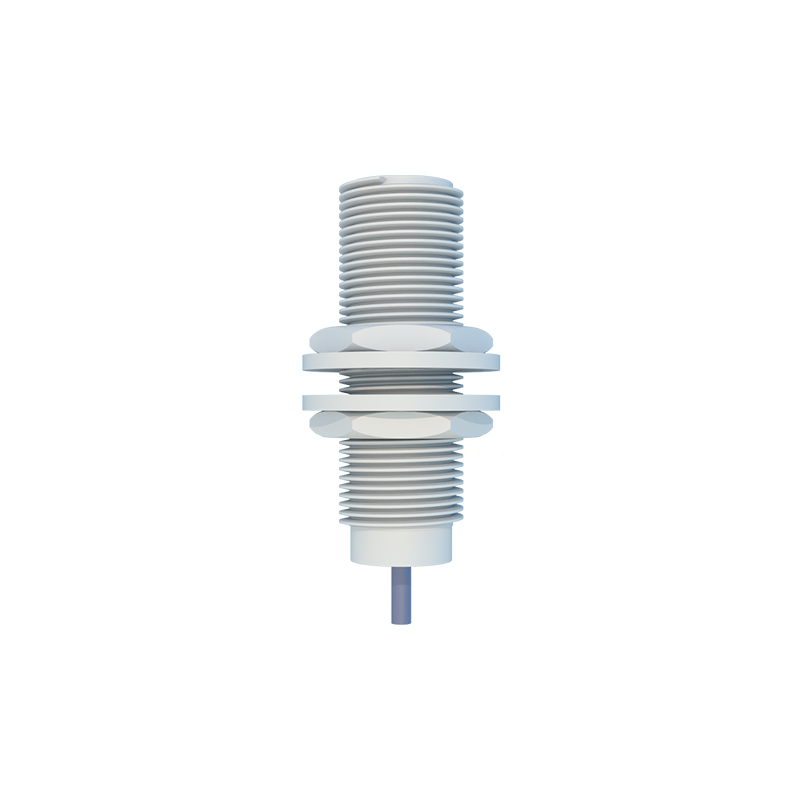
1. Inductive Proximity Sensors: These sensors generate an oscillating electromagnetic field. They are designed to detect metallic objects, primarily ferrous metals like iron and steel. When a metal object enters this field, it induces eddy currents on the metal's surface, which in turn causes a change in the oscillation amplitude. The sensor detects this change. Inductive sensors are highly reliable, resistant to environmental factors like dust and oil, and are extensively used in industrial automation for tasks like metal detection, position sensing, and speed counting.
2. Capacitive Proximity Sensors: These sensors can detect both metallic and non-metallic objects, including liquids, powders, plastics, and wood. They work by generating an electrostatic field. Any object that enters this field alters the capacitance of the sensor's circuit. This change in capacitance is measured and triggers the output. Capacitive sensors are ideal for applications like liquid level detection, material handling, and presence detection of non-metallic materials.
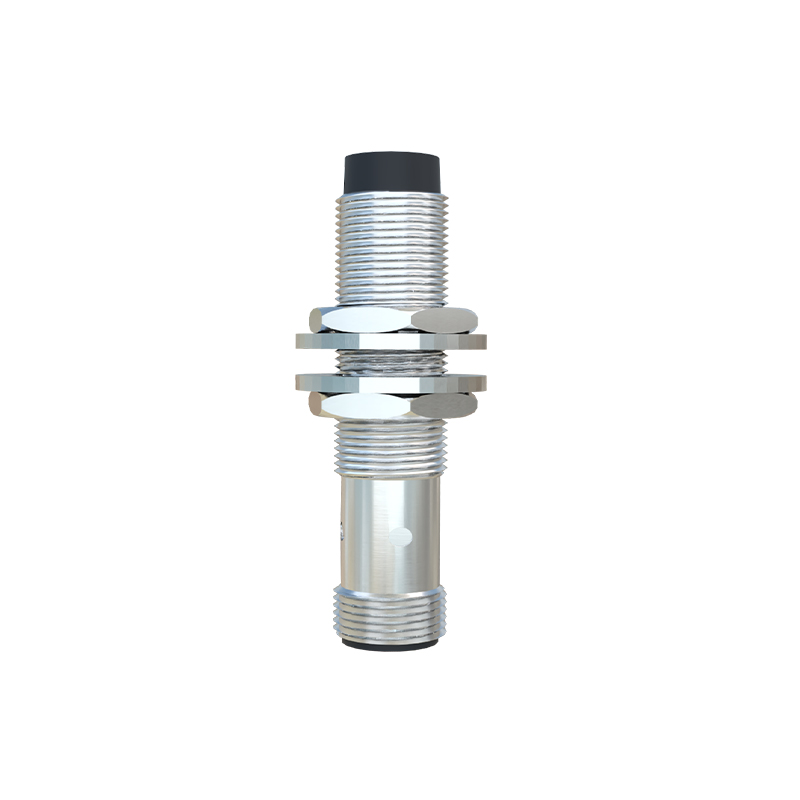
3. Photoelectric Sensors: This type uses a light beam, typically infrared or laser, to detect objects. They consist of a light emitter and a receiver. There are three main sub-types: through-beam (where the emitter and receiver are separate units, and detection occurs when the beam is broken), retro-reflective (using a reflector to bounce the beam back), and diffuse reflective (where the target itself reflects the beam back to the receiver). Photoelectric sensors offer long detection ranges and can detect virtually any material, making them versatile for packaging, conveyor systems, and object counting.
4. Ultrasonic Proximity Sensors: These sensors emit high-frequency sound waves (ultrasound) and evaluate the echo reflected back from a target. By measuring the time between the emission and reception of the sound wave, the sensor can calculate the distance to the object. Ultrasonic sensors are excellent for detecting objects regardless of color, transparency, or material, and are commonly used for distance measurement, level sensing of liquids and bulk materials, and in harsh environments.
The advantages of using proximity sensors are significant. Their non-contact nature means no mechanical wear and tear, leading to a long operational life and high reliability. They can operate at high speeds, providing fast response times crucial for modern machinery. Furthermore, they are largely unaffected by surface conditions like color or texture (depending on the type) and can function reliably in challenging environments where physical contact is impossible or undesirable.
Applications span across every industry. In consumer electronics, a capacitive or infrared proximity sensor in a phone saves battery by disabling the touchscreen when held to the ear. In automotive systems, ultrasonic sensors enable parking assistance and collision avoidance. The industrial sector relies heavily on inductive and photoelectric sensors for process control, robotics, safety interlocks, and inventory management. Even in everyday appliances like touchless faucets or automatic doors, a proximity sensor is the unseen component enabling the convenience.
When selecting a proximity sensor for an application, key factors must be considered. These include the nature of the target material (metal, plastic, liquid), the required sensing distance or range, the operating environment (temperature, presence of contaminants), the required output type (digital on/off or analog signal for distance), and the response speed. Understanding these parameters ensures the correct sensor is chosen for optimal performance and reliability.
In conclusion, a proximity sensor is an essential electronic component that provides eyes to machines and systems. By enabling non-contact detection of objects, it forms the backbone of automation, safety, and interactive technology. From the phone in your pocket to the most advanced robotic assembly line, proximity sensors work silently in the background, making our technology smarter, safer, and more efficient. Their continued evolution promises even greater integration into the fabric of intelligent systems in the future.