Introduction to Rectangular Proximity Switch Sensors
Rectangular proximity switch sensors, often referred to as rectangular proximity sensors or limit switches, are essential components in industrial automation and machinery. These devices detect the presence or absence of objects without physical contact, utilizing technologies such as inductive, capacitive, or photoelectric sensing. Their rectangular housing design offers durability and ease of installation in tight spaces, making them suitable for applications in manufacturing, packaging, automotive, and material handling industries. Understanding the factors influencing their cost is crucial for engineers and procurement specialists aiming to balance performance with budget constraints.
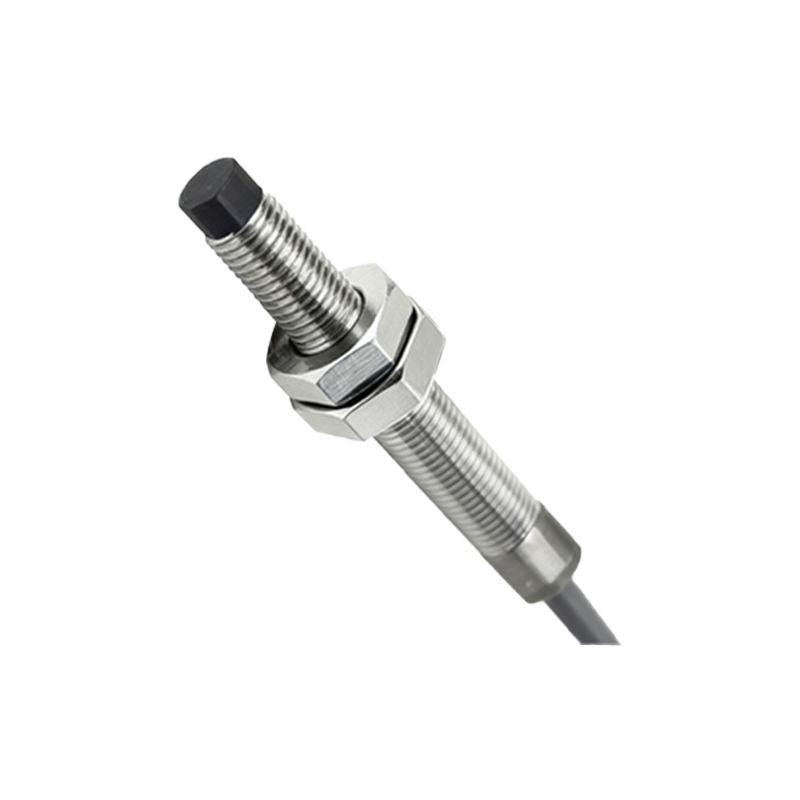
Key Factors Affecting Sensor Pricing
The price of a rectangular proximity switch sensor varies significantly based on several technical and commercial factors. Sensing range is a primary determinant; sensors with longer detection distances (e.g., up to 40mm) typically cost more than those with shorter ranges. Output type also plays a role—models with analog outputs or IO-Link communication are priced higher than basic digital switches. Environmental ratings, such as IP67 or IP69K for water and dust resistance, add to the cost due to enhanced sealing materials. Brand reputation influences pricing, with established manufacturers like Siemens, Omron, or Schneider Electric commanding premium prices compared to generic alternatives. Additionally, certifications for hazardous areas (e.g., ATEX) or specific industry standards can increase expenses by 20-50%.
Price Range Overview by Technology Type
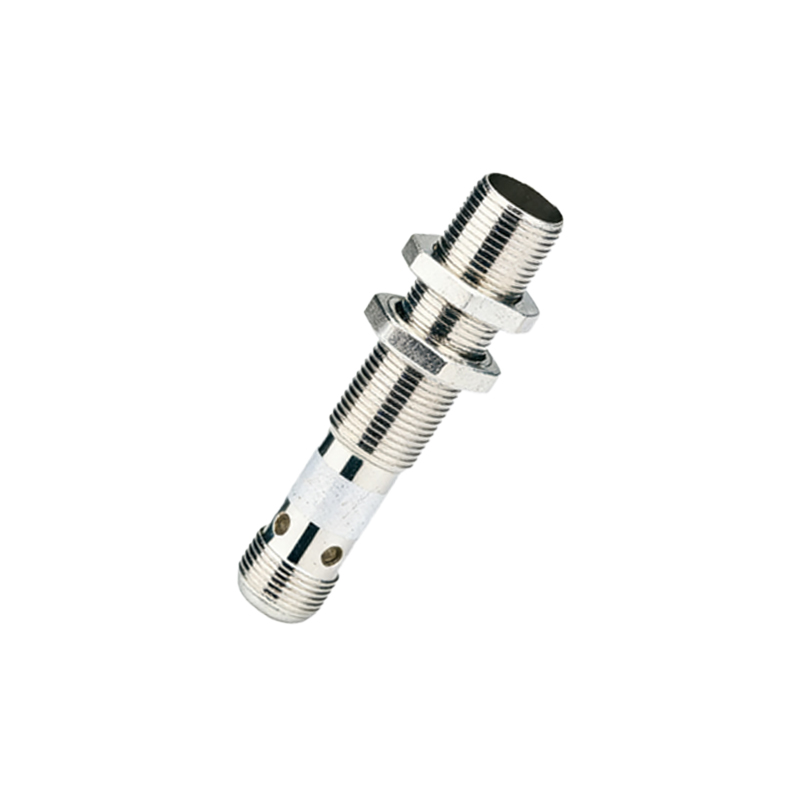
Inductive rectangular proximity sensors, commonly used for metal detection, are among the most affordable, with prices ranging from $20 to $100 per unit. Capacitive sensors, which detect non-metallic materials like liquids or plastics, tend to be slightly more expensive, averaging $30 to $150. Photoelectric rectangular sensors, offering longer ranges and precise detection, fall in the $50 to $300 bracket. High-end models with advanced features, such as adjustable sensing parameters or diagnostic capabilities, can exceed $500. Bulk purchasing often reduces per-unit costs by 10-30%, especially for orders over 100 pieces. It's important to note that these are base prices; additional costs for mounting accessories or cables may apply.
Impact of Industry Applications on Cost
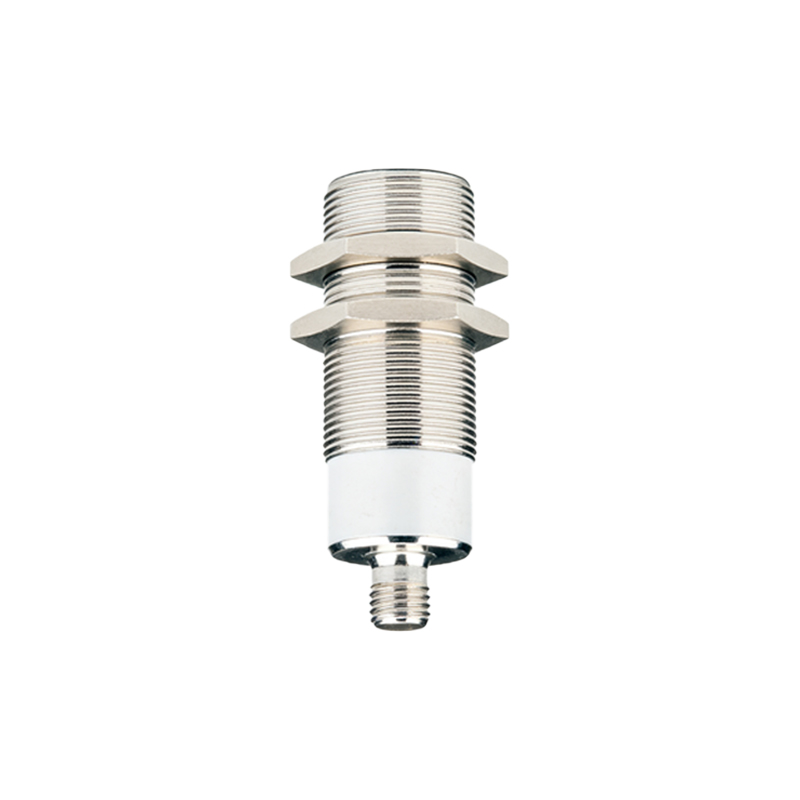
In heavy-duty industries like automotive manufacturing, sensors must withstand harsh conditions, leading to higher prices—often between $80 and $250 per unit. For food and beverage applications, sensors with stainless steel housings and hygienic designs cost more, typically $60 to $200. In contrast, general-purpose automation in packaging or conveyor systems may use standard models priced at $25 to $120. Customization requests, such as specific cable lengths or connector types, can add 15-40% to the base price. Engineers should evaluate operational requirements, including temperature tolerance and chemical exposure, to avoid overspending on unnecessary features or compromising on reliability.
Cost Comparison: Brand vs. Generic Options
Branded rectangular proximity sensors from leading suppliers generally range from $50 to $300, offering reliability, technical support, and longer warranties. For example, an Omron inductive sensor might cost $70, while a similar generic version could be $30. However, generic sensors may lack consistent quality or certification, potentially leading to higher maintenance costs. Mid-tier brands provide a balance, with prices around $40 to $180. When selecting, consider total cost of ownership, including installation, downtime, and replacement frequency. In critical applications, investing in reputable brands often proves economical long-term, despite higher upfront costs.
Tips for Budgeting and Procurement
To optimize spending, start by defining technical specifications precisely—avoid over-engineering that inflates costs. Request quotes from multiple suppliers and negotiate volume discounts for large projects. Consider refurbished or surplus sensors for non-critical tasks, which can cost 30-60% less than new ones. Online marketplaces and industrial distributors often offer competitive pricing, but verify authenticity and warranty terms. Additionally, factor in lifecycle costs: a cheaper sensor with a shorter lifespan may require frequent replacements, increasing overall expenses. Collaborate with vendors for sample testing to ensure compatibility before bulk purchases.
Future Trends and Price Predictions
Advancements in sensor technology, such as integration with IoT and smart factory systems, are gradually reducing prices for basic models while increasing costs for feature-rich versions. By 2025, standard rectangular proximity sensors may see a 5-10% price drop due to mass production efficiencies, but smart sensors with connectivity could rise by 15-20%. Sustainability trends, like eco-friendly materials, might add modest premiums. Engineers should stay updated on market shifts and consider modular designs that allow easy upgrades, maximizing investment value over time.