Introduction to Photoelectric Sensor Swivel Technology
Photoelectric sensor swivel technology represents a significant advancement in industrial automation, offering enhanced flexibility and precision in detection applications. These sensors utilize light beams to detect objects, measure distances, or identify changes in environmental conditions. The swivel feature allows the sensor head to rotate or pivot, enabling adjustments in alignment without requiring physical repositioning of the entire unit. This capability is crucial in dynamic industrial settings where machinery and conveyor systems often shift or require reconfiguration. By integrating a swivel mechanism, photoelectric sensors can maintain optimal performance even when installation angles need modification, reducing downtime and improving operational efficiency. The technology typically involves robust housing designs that protect internal components while allowing smooth rotation, ensuring durability in harsh environments such as manufacturing floors or outdoor installations.
Key Components and Working Principles
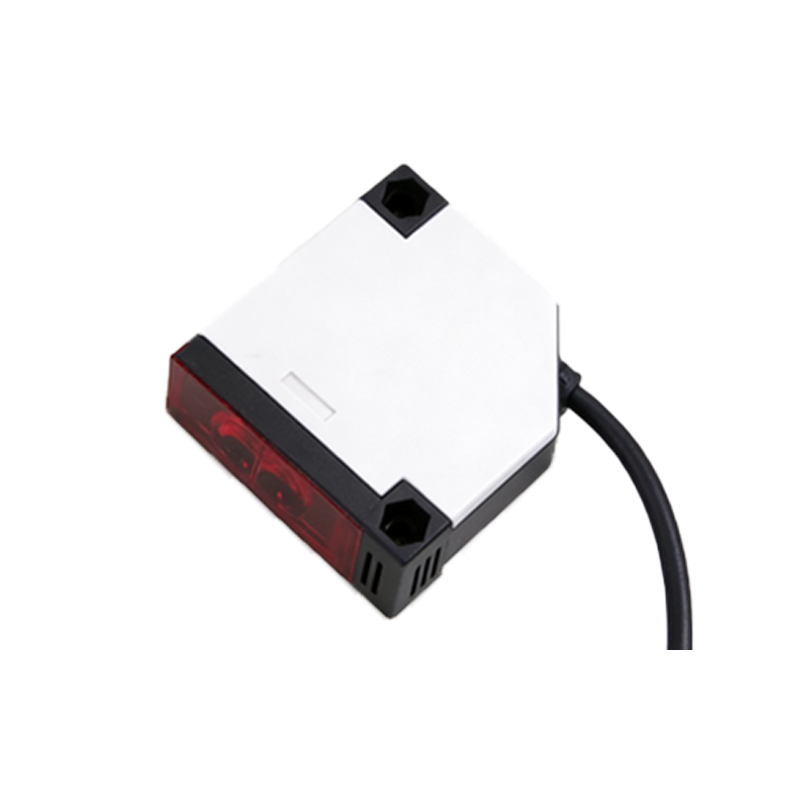
A photoelectric sensor with a swivel function consists of several core components: a light emitter (usually an LED or laser diode), a receiver (such as a phototransistor or photodiode), a signal processing unit, and the swivel mechanism itself. The emitter projects a light beam toward a target, and the receiver detects the reflected or interrupted light, converting it into an electrical signal. The swivel mechanism, often based on ball joints or rotary mounts, permits the sensor head to tilt or rotate within a specified range, typically up to 360 degrees in some models. This adjustability ensures that the sensor can be precisely aimed at objects, even if they are moving or positioned at awkward angles. Advanced versions may include digital interfaces for remote control of the swivel angle, allowing integration with programmable logic controllers (PLCs) for automated adjustments. The working principle relies on the modulation of light to avoid interference from ambient sources, ensuring reliable detection across various industrial applications.
Applications in Industrial Automation
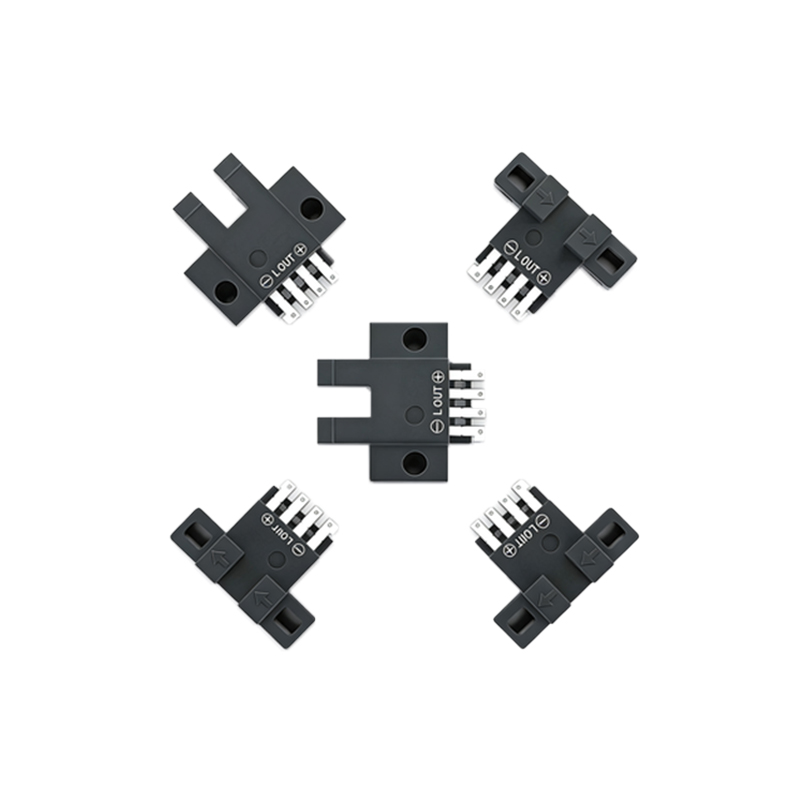
Photoelectric sensor swivels find widespread use in diverse industrial sectors, including automotive manufacturing, packaging, material handling, and robotics. In assembly lines, they are employed to detect the presence of components on conveyor belts, with the swivel feature enabling quick realignment when production lines are modified. For example, in packaging machinery, these sensors can monitor fill levels or verify label placement by adjusting their angle to scan different parts of containers. In robotic systems, swivel sensors assist in object recognition and positioning, allowing robots to adapt to varying workpiece orientations. Additionally, they are utilized in safety applications, such as monitoring access points or ensuring machinery guards are in place, where flexible mounting options are essential. The ability to pivot also enhances maintenance accessibility, as technicians can easily reposition sensors for calibration without disassembling entire setups.
Benefits of Using Swivel-Enabled Photoelectric Sensors
The integration of swivel capabilities in photoelectric sensors offers numerous advantages for industrial operations. Firstly, it increases installation flexibility, reducing the need for custom brackets or multiple sensor units to cover different angles. This leads to cost savings on hardware and labor. Secondly, the adjustability minimizes alignment errors, improving detection accuracy and reducing false triggers, which is critical in high-speed production environments. Thirdly, swivel sensors enhance system adaptability, allowing for quick reconfiguration in response to process changes or new product lines. They also contribute to longer sensor lifespans by reducing mechanical stress from fixed positions, as the swivel distributes wear more evenly. Furthermore, many modern swivel sensors are designed with IP ratings for dust and water resistance, ensuring reliable performance in challenging conditions. Overall, these benefits translate to higher productivity, lower maintenance costs, and improved safety in automated facilities.
Selection Criteria and Installation Tips
When choosing a photoelectric sensor with a swivel function, several factors should be considered to ensure optimal performance. Key parameters include sensing range, response time, light source type (e.g., visible red, infrared, or laser), and environmental ratings. The swivel range and locking mechanism are also important; look for models that offer secure positioning after adjustment to prevent drift. For installation, it is recommended to mount the sensor on a stable surface and use the swivel to fine-tune the angle while testing detection under actual operating conditions. Ensure that the sensor is not subjected to excessive vibration, which could affect alignment over time. Regular calibration checks are advised, especially in applications involving temperature fluctuations or heavy machinery movement. Additionally, consider sensors with diagnostic features, such as LED indicators for alignment status, to simplify maintenance. By following these guidelines, users can maximize the efficiency and longevity of their photoelectric sensor swivel systems.
Future Trends and Innovations
The future of photoelectric sensor swivel technology is poised for further innovation, driven by trends in Industry 4.0 and smart manufacturing. Emerging developments include the integration of IoT connectivity, enabling sensors to transmit real-time data on alignment and performance to central monitoring systems. This allows for predictive maintenance, where potential issues can be addressed before they cause downtime. Another trend is the miniaturization of swivel mechanisms, making sensors more compact for use in space-constrained applications. Enhanced materials, such as corrosion-resistant alloys and polymers, are being adopted to improve durability in extreme environments. Additionally, advancements in light modulation techniques may lead to sensors with higher precision and immunity to interference. As automation becomes more complex, the demand for versatile, adjustable sensors like photoelectric swivels is expected to grow, supporting more agile and efficient industrial processes worldwide.