Understanding Proximity Sensor Fundamentals
Proximity sensors are non-contact electronic devices designed to detect the presence or absence of an object within a specific sensing range without physical contact. They operate on various principles, primarily inductive, capacitive, ultrasonic, and photoelectric. Inductive sensors are the workhorses for detecting metallic objects, generating an electromagnetic field to sense ferrous and non-ferrous metals. Capacitive sensors can detect both metallic and non-metallic materials, including liquids and powders, by measuring changes in capacitance. Understanding these core technologies is the first step in identifying where to source the best sensors for a given task, as the optimal choice hinges on the target material, required sensing distance, environmental conditions, and response speed.
Key Performance Metrics for Evaluation
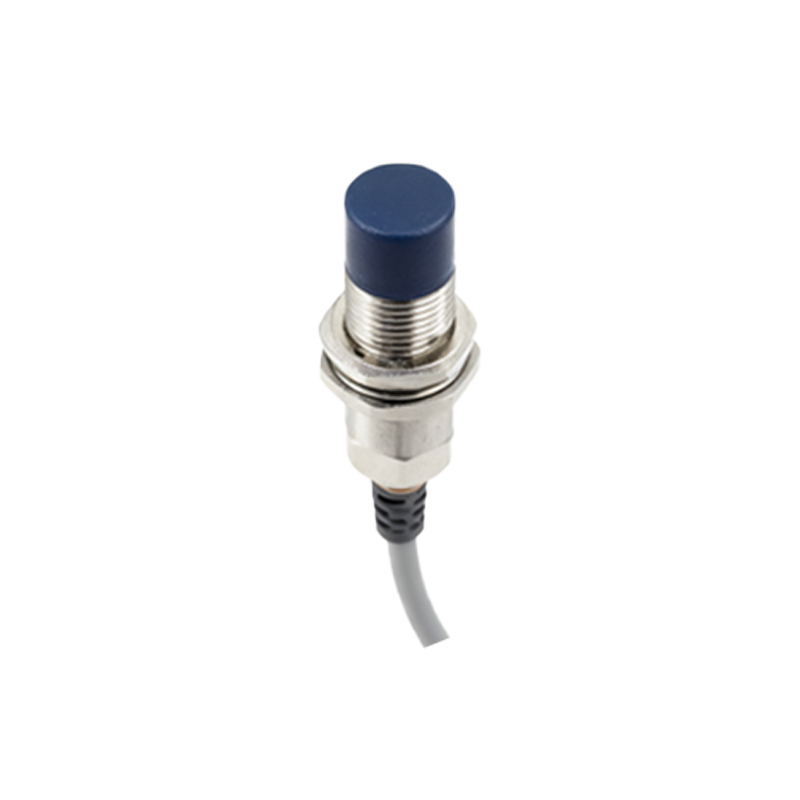
When searching for superior proximity sensors, several critical performance parameters must be scrutinized. Sensing distance, often specified as the nominal range (Sn), is paramount. High-quality sensors offer stable and repeatable detection at their rated distance, even under challenging conditions like temperature fluctuations or voltage variations. Switching frequency defines how quickly the sensor can detect objects passing by, a vital factor for high-speed automation lines. Another crucial aspect is housing material and ingress protection (IP) rating. The best sensors for harsh industrial environments feature robust stainless steel or nickel-plated brass housings with IP67, IP68, or IP69K ratings, ensuring resilience against dust, coolants, oils, and high-pressure washdowns.
Leading Manufacturers and Technological Pioneers
The market for premium proximity sensors is dominated by established global leaders known for innovation, reliability, and extensive support. Companies like Sick AG, Pepperl+Fuchs, Balluff, Omron, and ifm electronic consistently set industry benchmarks. These manufacturers invest heavily in R&D, producing sensors with advanced features like IO-Link communication for digital parameterization and diagnostics, exceptional noise immunity, and enhanced resistance to welding fields. They offer comprehensive product portfolios with varied form factors (e.g., cylindrical, rectangular, ring-shaped), sensing ranges, and output configurations (PNP/NPN, analog, IO-Link) to fit virtually any application. Sourcing directly from these pioneers or their authorized distributors guarantees access to cutting-edge technology and genuine components.
Application-Specific Selection Criteria
The "best" sensor is inherently defined by its application. For metal machining and CNC environments, inductive sensors with welded stainless steel faces and high immunity to metallic chips are ideal. In packaging and material handling, where diverse materials are present, capacitive or photoelectric sensors provide greater flexibility. For precise position detection in robotics or assembly, analog-output sensors offer continuous distance measurement. Food and beverage or pharmaceutical applications demand sensors with specific hygienic designs, often using FDA-compliant materials like PEEK or PVDF and polished surfaces. Therefore, identifying top-tier suppliers involves evaluating their expertise and product depth within your specific industrial sector.
The Critical Role of Distribution and Support
Access to technical expertise and reliable supply chains is as important as the sensor hardware itself. The best sources are authorized distributors and direct sales channels of major manufacturers that provide comprehensive pre-sales and post-sales support. This includes access to detailed datasheets, CAD models, configuration software, and expert application engineering assistance. A strong distributor network ensures local availability, reduced downtime, and access to replacement parts. Furthermore, suppliers offering value-added services like sensor customization, labeling, or specific cable lengths add significant efficiency for large-scale OEM integrations. Evaluating a supplier's logistical capabilities and technical support structure is a key part of the procurement decision.
Future Trends and Smart Sensor Integration
The frontier of proximity sensing is moving towards Industry 4.0 and smart factory integration. The best modern sensors are no longer simple switches but intelligent data points on the network. Sensors equipped with IO-Link functionality allow for remote monitoring of operating status, temperature, and signal strength, enabling predictive maintenance. Look for suppliers who are advancing in areas of miniaturization, increased sensing ranges, and the integration of condition monitoring features. The ability of a sensor to communicate diagnostic data directly to a PLC or cloud system is becoming a standard requirement for optimizing production efficiency and minimizing unplanned stops in advanced manufacturing setups.