Introduction to Multi-Directional Sensing Technology
In the realm of industrial automation, the ability to detect the status of indicator lights from various angles is crucial for system monitoring and fault diagnosis. Multi-directional indicator light photoelectric sensors represent a significant advancement in this field. Unlike traditional sensors that require precise alignment, these innovative devices utilize advanced optical systems and signal processing algorithms to reliably detect light emissions from LEDs, incandescent bulbs, or other indicators across a wide field of view. This capability is essential in complex machinery where indicator lights may be mounted in recessed, rotating, or otherwise hard-to-monitor positions. The core technology often involves a combination of specialized lenses that gather light from multiple directions and highly sensitive photodetectors tuned to specific wavelengths. By integrating ambient light rejection circuits and programmable sensitivity thresholds, these sensors maintain accuracy even in environments with fluctuating background illumination, ensuring that only the target indicator light is detected.
Key Operational Principles and Design Features
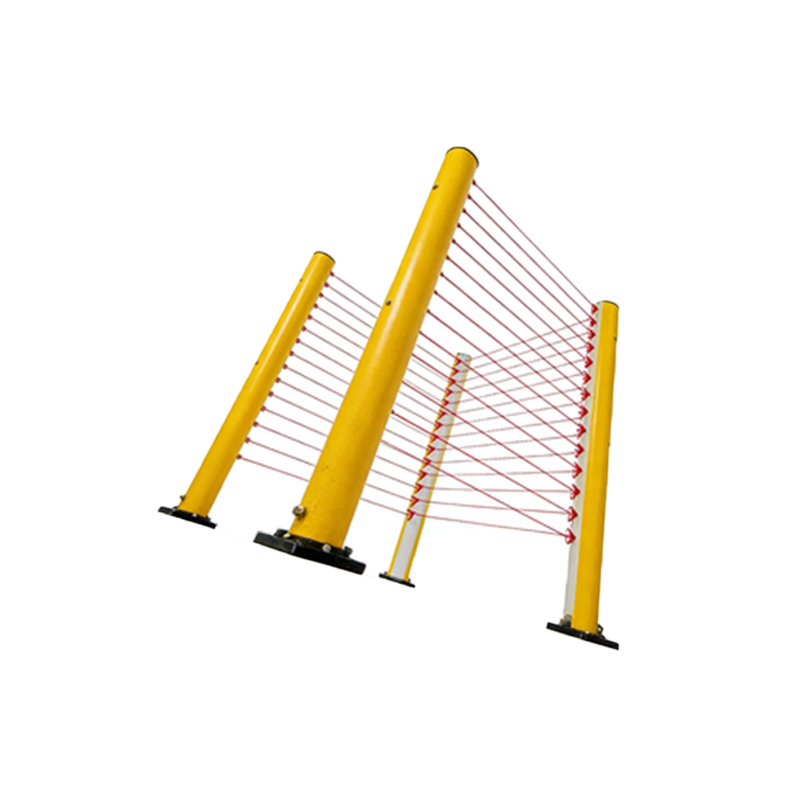
The operational principle of a multi-directional photoelectric sensor for indicator lights hinges on its optical design and electronic filtering. Typically, the sensor housing incorporates a dome-shaped or multi-faceted lens that captures light from a broad solid angle, often up to 270 degrees or more. Behind this lens, a photodiode or phototransistor converts the incoming light into an electrical signal. A critical design feature is the optical filter, which is matched to the specific color of the target indicator light—common colors include red, green, yellow, and blue. This filtering drastically reduces interference from other light sources. The electronic circuitry then amplifies this filtered signal and compares it to a user-set threshold. Modern versions include digital models with teach-in functions, allowing for easy calibration on-site. Furthermore, robust housing designs with IP67 or higher ratings protect the internal components from dust, moisture, and mechanical shock, making them suitable for harsh industrial environments like automotive manufacturing, packaging lines, and chemical plants.
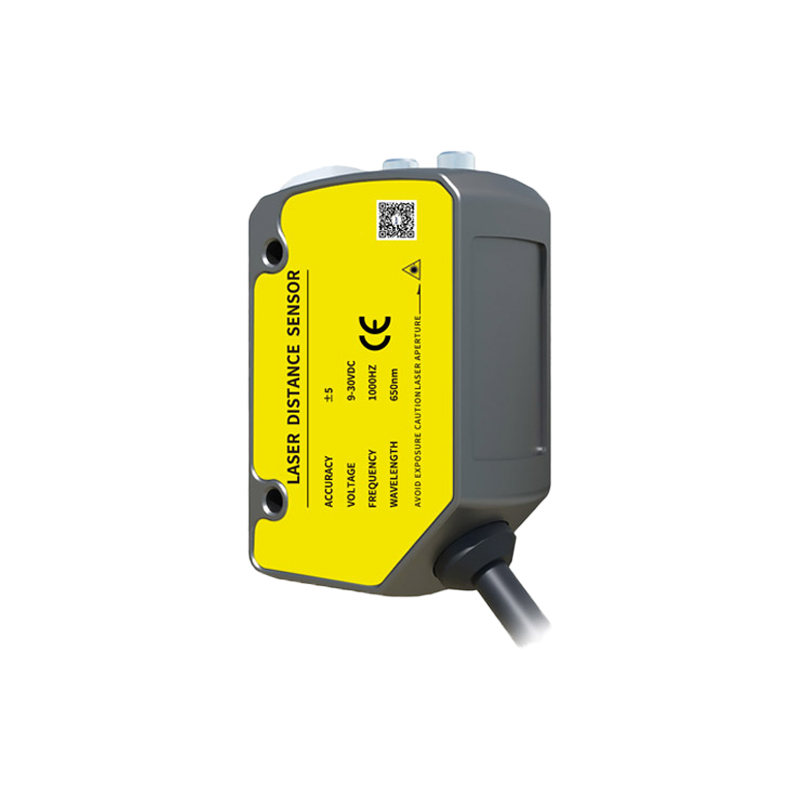
Integration in Control Systems and Communication Protocols
Integration into broader industrial control systems is a fundamental aspect of these sensors. They typically provide standard digital outputs, such as PNP/NPN transistor outputs or relay contacts, which can be directly connected to Programmable Logic Controllers (PLCs), industrial PCs, or alarm modules. The output signal changes state (e.g., from OFF to ON) when the target indicator light is activated, providing a clear binary status to the control system. Advanced models support industrial communication protocols like IO-Link, which enables the transmission of not just a simple on/off signal but also parametric data such as received light intensity, internal temperature, and device health status. This facilitates predictive maintenance and detailed process monitoring. The ability to daisy-chain multiple sensors via bus systems like AS-Interface or PROFINET simplifies wiring in large installations, reducing cost and complexity. Proper integration allows for automated responses; for instance, a sensor detecting a red "fault" light on a machine can trigger an immediate shutdown sequence or alert maintenance personnel via a SCADA system.
Application Scenarios Across Various Industries
The applications for multi-directional indicator light sensors are vast and cross-sectoral. In the automotive industry, they monitor status lights on robotic welding arms and assembly robots, ensuring each step of the process is confirmed before proceeding. Within the pharmaceutical and food & beverage sectors, they verify the "sterilization complete" or "batch ready" indicators on processing equipment, which is critical for compliance with stringent safety regulations. In energy generation, particularly in wind turbines or power substations, these sensors remotely monitor alarm and status indicators on control panels located in inaccessible areas. Another growing application is in automated warehouse and logistics systems, where they confirm the "operation active" or "error" status of sorters, conveyors, and automated guided vehicles (AGVs). By providing reliable, non-contact detection without requiring precise alignment, they reduce installation time and increase system flexibility compared to traditional proximity switches or cameras.
Selection Criteria and Installation Best Practices
Selecting the appropriate multi-directional photoelectric sensor requires careful consideration of several technical parameters. The sensing range and field of view must be compatible with the distance and possible angular displacement of the target indicator. The spectral response of the sensor must match the peak wavelength of the indicator light; a sensor optimized for a red LED will not perform well with a green one. Response time is another critical factor, especially for detecting fast-blinking lights. Environmental conditions dictate the required ingress protection (IP) rating and temperature range. During installation, it is a best practice to first perform a teach-in or calibration procedure under actual operating conditions to set the optimal sensitivity threshold, avoiding false triggers from ambient light. The sensor should be mounted securely to prevent vibration-induced misalignment, and cabling should be routed away from high-voltage lines to minimize electrical noise interference. Regular maintenance, including lens cleaning and functional verification, ensures long-term reliability and prevents unplanned downtime in automated processes.