Understanding High-Temperature Proximity Sensors
In the demanding landscape of modern industrial automation, the ability to detect the presence, absence, or position of an object without physical contact is fundamental. Proximity sensors fulfill this role reliably. However, when operations extend into extreme thermal environments—such as those found in metal casting, glass manufacturing, automotive engine testing, or near industrial furnaces—standard sensors fail. This is where high-temperature proximity sensors become critical. These specialized devices are engineered to withstand ambient temperatures that can exceed 200°C (392°F) and, in some advanced models, even approach 500°C (932°F) at the sensing face. Their design is a testament to material science and electronic resilience, ensuring stable performance where heat would degrade conventional components, leading to signal drift, premature failure, or complete meltdown.
Core Technologies and Operating Principles
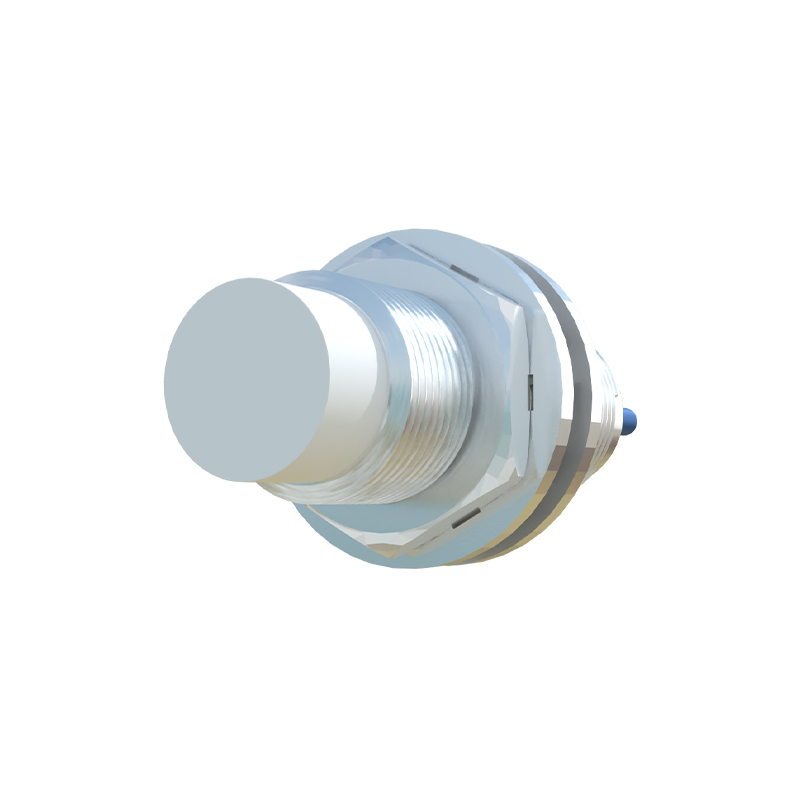
The most common technologies employed in high-temperature variants are inductive and capacitive sensing. Inductive sensors are used for detecting metallic objects. Their core consists of a coil, an oscillator, a detection circuit, and an output circuit. The high-temperature challenge lies in protecting the ferrite core and the coil's windings from thermal demagnetization and insulation breakdown. Manufacturers use high-temperature-grade wire insulation, such as PTFE or ceramic, and often pot the coil in thermally conductive, electrically insulating compounds to manage heat dissipation. Capacitive sensors, capable of detecting both metallic and non-metallic materials, face similar challenges with their internal electrodes and dielectric materials. Advanced designs incorporate ceramic housings and specialized, heat-stable dielectric fills to maintain capacitance stability under thermal stress.
Material Science: The Foundation of Durability
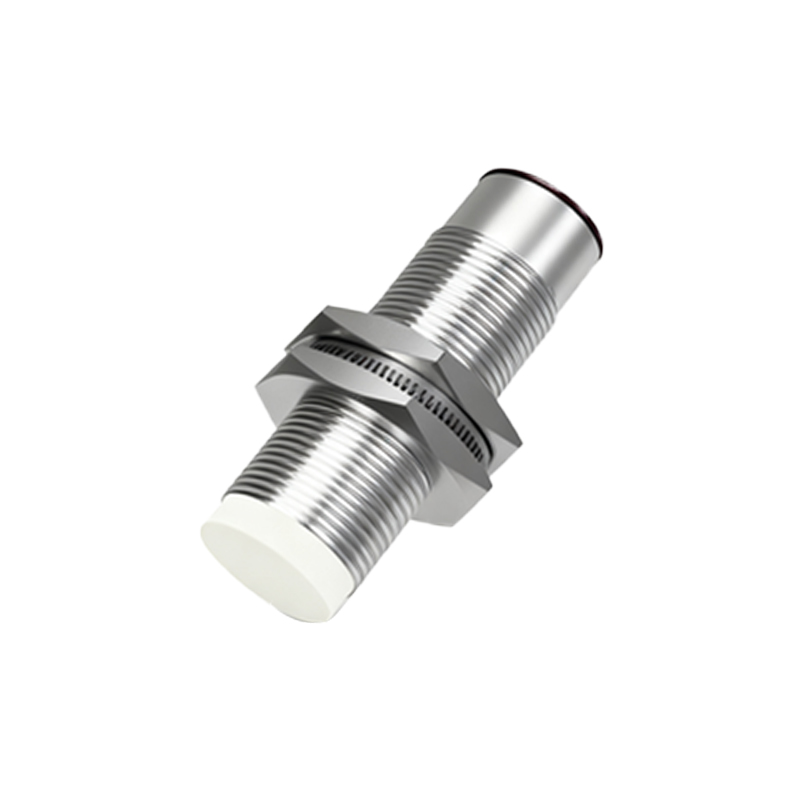
The selection of materials is arguably the most decisive factor in the performance of a high-temperature proximity sensor. The housing is typically constructed from stainless steel (e.g., 316L) or specialized nickel alloys like Inconel, which offer exceptional resistance to oxidation and creep at high temperatures. For the sensing face, advanced technical ceramics such as alumina (Al2O3) or zirconia (ZrO2) are preferred. These ceramics provide excellent thermal insulation, protecting the internal electronics from the target object's heat, while also being highly resistant to mechanical abrasion and chemical corrosion. Seals are made from perfluoroelastomers (FFKM) or metal-to-metal designs to prevent the ingress of contaminants, which could be catastrophic in hot, often dirty, industrial settings.
Electronic Design and Thermal Management
Beyond the housing, the internal electronics require meticulous design. Standard semiconductors have a limited operational junction temperature. Engineers employ several strategies: using wide-bandgap semiconductors like Silicon Carbide (SiC) that inherently operate at higher temperatures; implementing active or passive cooling channels within the sensor body for liquid or air cooling; and strategically placing heat sinks and thermal barriers to isolate the sensitive signal-processing circuitry from the hot sensing head. Furthermore, the output circuitry is often designed with generous derating, meaning components are operated well below their nominal ratings to extend lifespan under thermal duress.
Key Application Areas in Industry
The deployment of these robust sensors spans critical industrial sectors. In die-casting and foundries, they monitor the position of molten metal in molds or the presence of hot ingots on conveyors. In glass manufacturing, they control the position of red-hot glass sheets during tempering or forming processes. The automotive industry uses them in engine test stands and brake testing equipment. Within the energy sector, they are indispensable in geothermal power plants and near gas turbine exhausts. Any application involving sintering kilns, heat treatment furnaces, or welding robots is a prime candidate for high-temperature proximity sensing solutions.
Selection Criteria and Installation Best Practices
Selecting the right sensor requires careful analysis of several parameters. The maximum ambient temperature and the temperature of the target object are paramount. The required sensing distance, which can be reduced at higher temperatures, must be considered. The IP rating (Ingress Protection) for dust and moisture, often IP67 or IP69K, is crucial for harsh environments. Electrical characteristics like output type (PNP/NPN, analog, IO-Link) and supply voltage must match the control system. During installation, it is vital to ensure proper mounting, often using thermally insulating brackets to minimize heat conduction from the machinery to the sensor body, and to follow the manufacturer's specified cable types, as standard PVC cables will degrade rapidly near heat sources.
The Future: Integration and Smart Sensing
The evolution of high-temperature proximity sensors is moving towards greater intelligence and connectivity. The integration of IO-Link communication allows for not just a simple switch signal but the continuous monitoring of internal temperature, output current, and overall health status.