Introduction to Industrial Sensing Devices
In the realm of industrial automation and machine control, sensing devices play a pivotal role in ensuring safety, precision, and efficiency. Among the most fundamental and widely used components are limit switches and proximity sensors. These devices serve as the "eyes" and "touch" of a machine, providing critical feedback about the position, presence, or absence of an object. While their ultimate goal is similar—to detect—their operating principles, construction, and ideal applications differ significantly. This guide delves into the technical specifics, advantages, and use cases for both limit switches and proximity sensors, providing engineers and technicians with the knowledge to select the optimal component for their specific control system requirements.
Fundamental Principles of Limit Switches
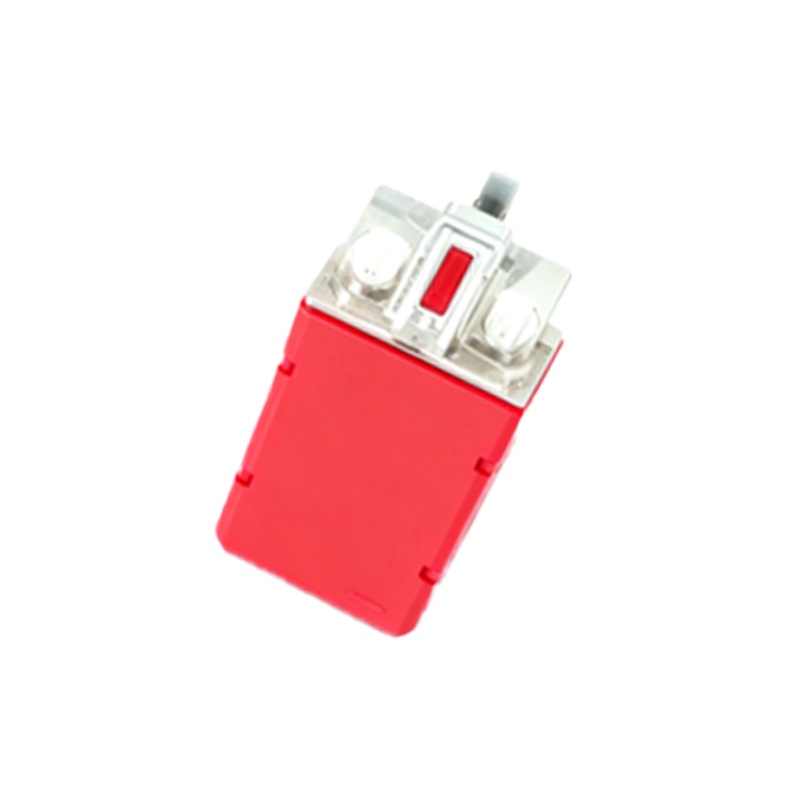
A limit switch is an electromechanical device that consists of an actuator mechanically linked to a set of contacts. When an object, or "target," makes physical contact with the actuator, it moves the actuator to its limit position, causing the contacts to change state—either opening or closing an electrical circuit. This physical actuation is the defining characteristic. The actuator can take various forms, such as a lever, roller, plunger, or whisker, designed for different types of mechanical engagement. The internal switching mechanism is robust, often using heavy-duty contacts capable of switching higher currents directly without an intermediary relay, though this is application-dependent. Their operation is straightforward: physical contact leads to an electrical signal. This directness makes them highly reliable and easy to understand and troubleshoot in the field.
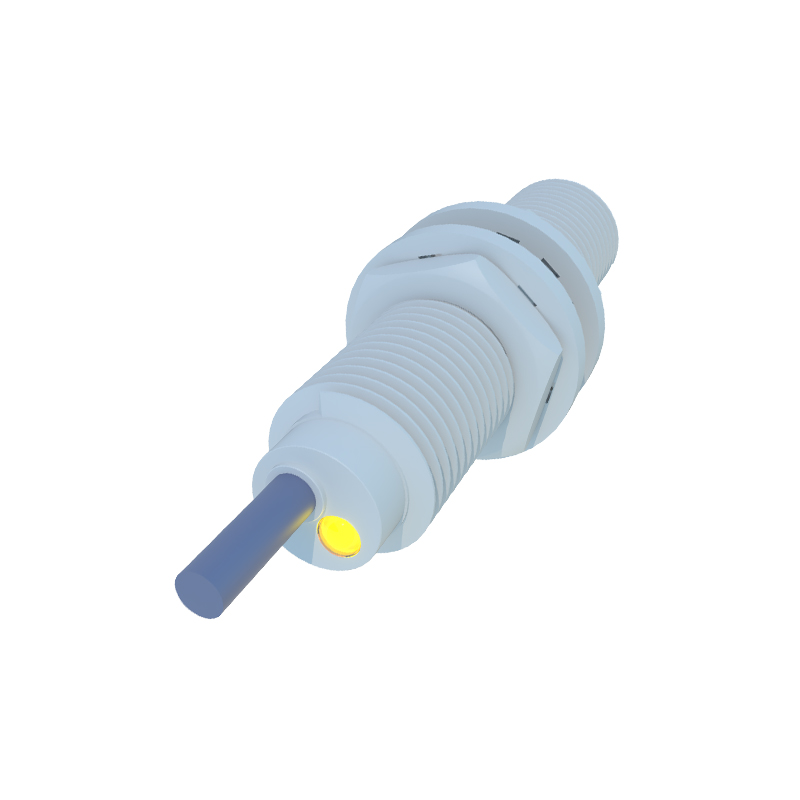
Core Technologies Behind Proximity Sensors
In contrast, proximity sensors are non-contact sensing devices. They detect the presence or absence of a target object without any physical contact. They achieve this by emitting a field or beam and monitoring changes in that field. The most common types are inductive, capacitive, and photoelectric. Inductive proximity sensors generate an electromagnetic field and detect the eddy current losses caused by metallic targets entering this field. Capacitive sensors can detect both metallic and non-metallic materials by sensing changes in capacitance. Photoelectric sensors use a light beam, typically infrared or laser, and detect interruptions or reflections of that beam. This non-contact nature eliminates mechanical wear, allows for very high-speed detection, and enables sensing of fragile or sensitive objects that could be damaged by physical contact.
Comparative Analysis: Key Differences and Strengths
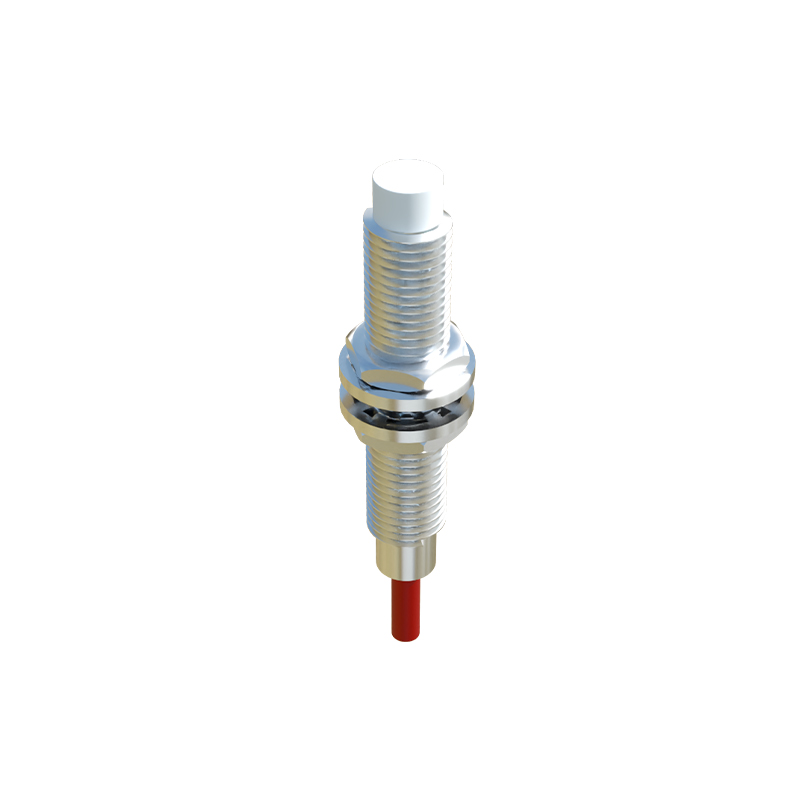
The choice between a limit switch and a proximity sensor hinges on several key factors. Limit switches excel in environments requiring a high degree of mechanical robustness and tolerance for harsh conditions like dirt, oil, and vibration. Their physical actuation provides a definitive, "hard" stop signal, which is often preferred for safety-critical positioning applications. They are generally less expensive for simple on/off detection and are not affected by the material composition of the target. However, their mechanical parts are subject to wear and fatigue over time, and the need for physical contact limits switching speed and can cause target marking. Proximity sensors, being solid-state with no moving parts, offer exceptionally long operational life, very fast response times, and the ability to detect objects at a distance. They are ideal for high-cycle applications, clean or controlled environments, and where non-contact is mandatory. Their main limitations include sensitivity to environmental interference (for inductive/capacitive types) and specific sensing ranges and target material requirements.
Typical Applications in Industrial Settings
Limit switches are commonly found in applications verifying the end-of-travel position of machine elements. Examples include confirming a robotic arm has fully retracted, a conveyor gate has completely closed, or a elevator car has reached a floor level. They are also used as safety interlocks on guards and doors. Proximity sensors are ubiquitous in high-speed counting, sorting, and packaging lines. An inductive sensor can count metal cans on a conveyor, a capacitive sensor can detect liquid levels through a plastic tank wall, and a photoelectric sensor can verify the presence of a label on a product. They are also used for precise position feedback in automated assembly, such as detecting a piston position in a cylinder without a mechanical linkage.
Selection Criteria and Installation Considerations
Selecting the right sensor requires a systematic evaluation. For a limit switch, consider the actuator type needed for the target's motion, the required electrical rating (current/voltage), the housing's IP (Ingress Protection) rating for the environment, and the mechanical life expectancy. For a proximity sensor, the primary considerations are the sensing technology (inductive, capacitive, photoelectric), the sensing distance required, the target material and size, the output type (PNP/NPN, analog, IO-Link), and environmental factors like temperature and presence of other sensors that could cause interference. Installation