Introduction to Photoelectric Sensors for Obstacle Avoidance
Photoelectric sensors are widely utilized in automation and robotics for obstacle detection and avoidance. These sensors operate by emitting a beam of light, typically infrared, visible red, or laser, and detecting changes in the received light signal. When an object interrupts or reflects this beam, the sensor triggers an output signal. This principle enables precise, non-contact detection of objects, making photoelectric sensors a popular choice for applications ranging from industrial machinery safety guards to autonomous mobile robots. Their ability to detect objects regardless of material (except completely transparent ones) and their fast response times are key advantages. Compared to other sensing technologies like ultrasonic or capacitive sensors, photoelectric sensors often offer superior accuracy and range for many obstacle avoidance scenarios.
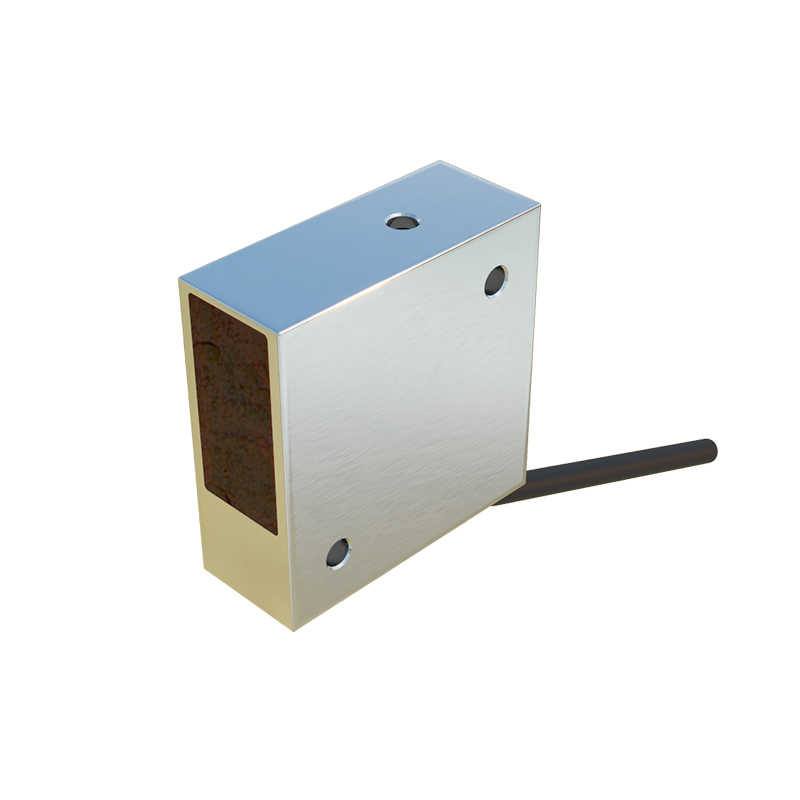
Key Advantages in Obstacle Avoidance Applications
The primary strength of photoelectric sensors lies in their precision and versatility. They can detect very small objects at considerable distances, with some models offering ranges exceeding 100 meters for reflective surfaces. Their response time is extremely fast, often in the microsecond range, which is critical for high-speed automation or fast-moving robots. Furthermore, they are available in various sensing modes—through-beam, retro-reflective, and diffuse-reflective—allowing engineers to select the optimal configuration for a specific environment. Through-beam sensors, with separate emitter and receiver units, provide the longest range and highest reliability for obstacle detection. Diffuse-reflective sensors, where the emitter and receiver are in the same housing, are simpler to install and effective for detecting objects within a defined area. This flexibility allows for robust system design in complex layouts.
Performance Considerations and Environmental Factors
While highly effective, the performance of photoelectric sensors can be influenced by environmental conditions. Ambient light, particularly strong sunlight or other sources emitting light at the sensor's wavelength, can cause interference or false triggers. Dust, fog, or steam in the air can scatter or attenuate the light beam, reducing effective sensing range. Modern sensors incorporate features to mitigate these issues, such as modulated LED light sources with synchronous detection to ignore ambient light, and housings with IP67 or higher ratings for protection against dust and moisture. For outdoor or harsh industrial use, selecting sensors with robust environmental specifications is paramount. Additionally, the color and surface finish of the target object can affect the sensor's response; highly reflective surfaces may cause oversaturation, while dark, matte surfaces absorb light and reduce range.
Comparison with Alternative Sensing Technologies
To evaluate if photoelectric sensors are "good" for obstacle avoidance, a comparison with alternatives is essential. Ultrasonic sensors use sound waves and are excellent for detecting objects regardless of color or transparency, and they perform well in dusty environments. However, they generally have slower response times and wider beam angles, leading to less precise detection. Proximity sensors (inductive or capacitive) are effective but only at very short ranges and for specific materials. Vision systems offer rich data but are computationally intensive and sensitive to lighting conditions. LiDAR provides high-resolution 3D mapping but at a significantly higher cost. For many standard industrial and robotic obstacle avoidance tasks, photoelectric sensors offer an optimal balance of cost, precision, speed, and reliability, making them a default choice for straightforward presence/absence detection.
Integration and Implementation Best Practices
Successful implementation requires careful planning. Sensor selection must align with the required sensing distance, object size, and environmental conditions. Proper alignment is critical, especially for through-beam and retro-reflective types. Mounting must be secure to prevent vibration from misaligning the beam. Wiring should follow EMI/RFI guidelines to prevent electrical noise from disrupting the signal. In programmable logic controller (PLC) or robot controller systems, the sensor's digital output is typically integrated into the safety or control logic loop. For complex avoidance systems, an array of sensors with overlapping fields of detection is often used to create a comprehensive safety envelope. Regular maintenance, including lens cleaning and functional checks, is necessary to ensure long-term reliability.
Conclusion and Industry Outlook
In conclusion, photoelectric sensors are an excellent and highly effective solution for a vast majority of obstacle avoidance applications. Their speed, accuracy, and non-contact operation make them indispensable in modern automation. The choice ultimately depends on the specific application parameters—required range, object characteristics, environmental harshness, and budget. With ongoing advancements, such as the development of background suppression sensors that can ignore objects beyond a set distance and sensors with IO-Link for advanced diagnostics, their capabilities continue to expand. For engineers designing obstacle avoidance systems, photoelectric sensors represent a proven, reliable, and versatile technology that will remain a cornerstone of industrial sensing for the foreseeable future.