Introduction to Proximity Switch Sensors
Proximity switch sensors are fundamental components in modern industrial automation, providing non-contact detection of metallic and non-metallic objects. These devices are crucial for ensuring precision, reliability, and safety in various applications, from assembly lines and packaging machinery to automotive manufacturing and material handling systems. Unlike mechanical limit switches, proximity sensors operate without physical contact, thereby eliminating wear and tear and significantly increasing operational lifespan. The core principle involves generating an electromagnetic field or a beam of light; when a target object enters this field, it causes a change in the sensor's state, triggering an output signal. This technology allows for high-speed operation and detection of minute objects, making it indispensable in today's high-efficiency production environments.
Exploring the Xinhualing Brand in Sensor Technology
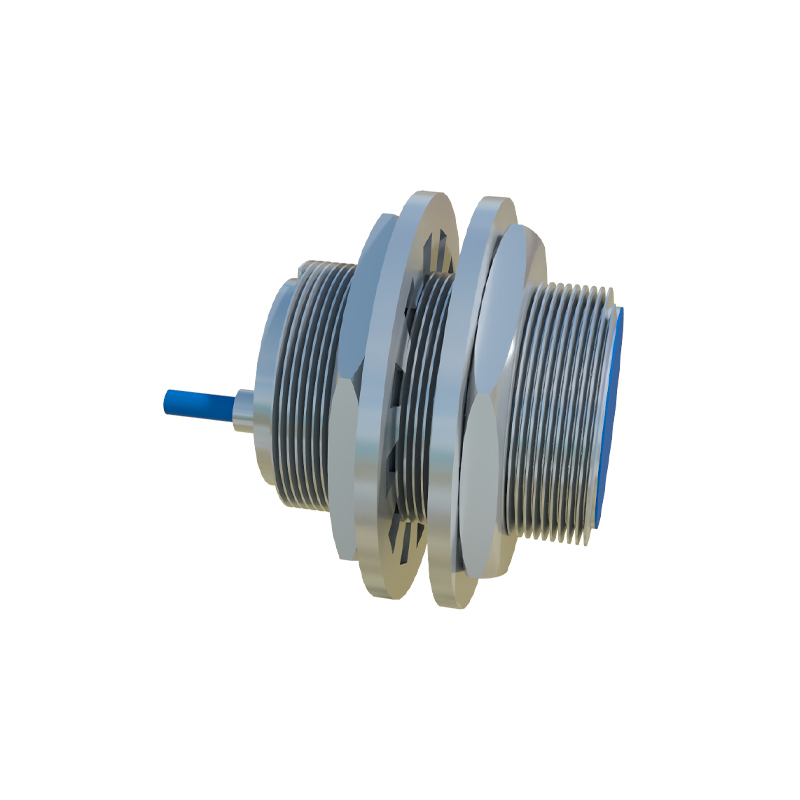
Xinhualing has established itself as a notable manufacturer within the sensor and electrical component industry. The brand is recognized for producing a range of proximity sensors that cater to diverse industrial needs. Xinhualing sensors are typically designed to offer robust performance in challenging conditions, including environments with dust, moisture, and electromagnetic interference. Their product lineup often includes inductive proximity sensors for detecting metallic objects, capacitive sensors for non-metallic materials, and sometimes photoelectric sensors. A key focus for brands like Xinhualing is providing cost-effective solutions without severely compromising on essential performance metrics such as sensing distance, response time, and housing durability, making them a viable option for many small to medium-scale automation projects.
Key Technical Specifications and Selection Criteria
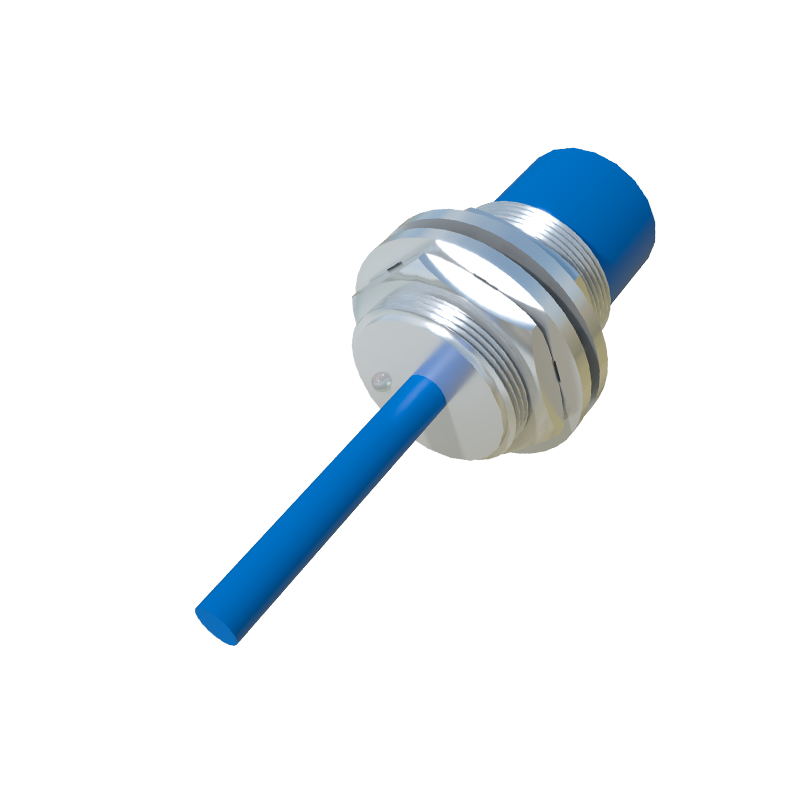
When selecting a proximity sensor, such as those from the Xinhualing catalog, engineers must evaluate several critical parameters. The sensing distance, or nominal range, is paramount and varies between inductive, capacitive, and ultrasonic types. Inductive sensors, common for metal detection, have shorter ranges, typically from 1 to 60 mm. The housing material, usually nickel-plated brass, stainless steel, or PBT plastic, must be chosen based on the environmental conditions (e.g., chemical exposure, temperature extremes). Output configuration is another vital consideration; sensors provide either a digital PNP (sourcing) or NPN (sinking) transistor output, or sometimes an analog 4-20 mA or 0-10 V signal. The operating voltage range, commonly 10-30 V DC, and the response frequency (how many operations per second) directly impact integration into a control system like a PLC.
Typical Applications in Industrial Automation
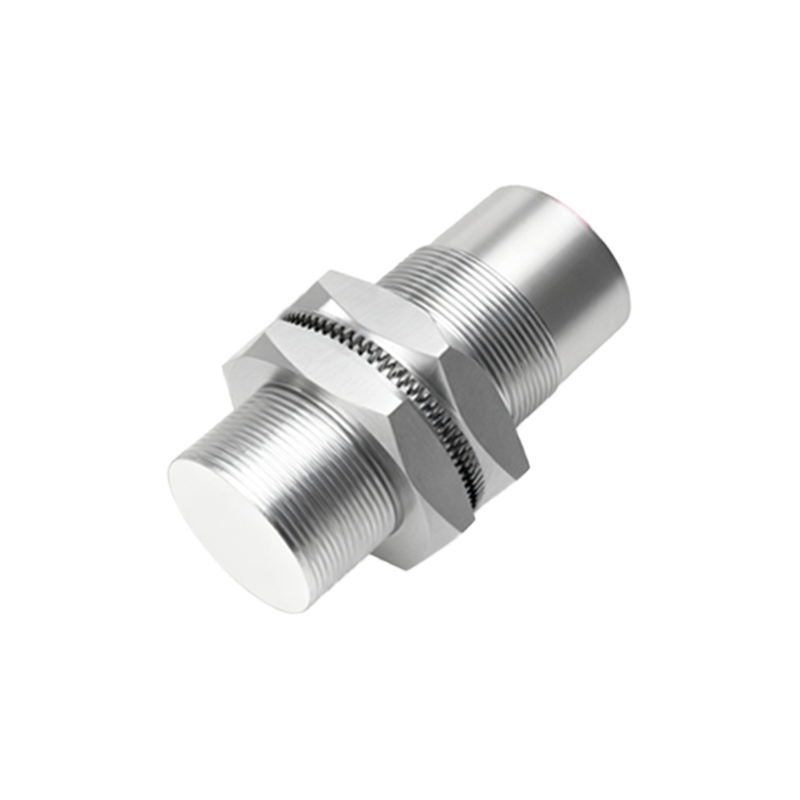
The application scope for proximity switch sensors is vast. In manufacturing, they are used for precise position detection, such as confirming the presence of a part on a conveyor belt, counting objects, or verifying the open/closed status of a robotic gripper. Within automated packaging lines, sensors ensure correct box positioning and lid placement. In the automotive sector, they monitor the position of cylinders, control end-of-travel limits for actuators, and ensure safety guards are in place. Capacitive sensors from brands like Xinhualing can detect materials like wood, plastic, or liquids through non-metallic containers, enabling level detection in tanks. Their reliability in dirty or wet environments makes them superior to optical sensors in many heavy-industry settings.
Installation, Wiring, and Maintenance Best Practices
Correct installation is critical for optimal sensor performance. Engineers must ensure adequate clearance around the sensor head to prevent interference from surrounding metal (the "flush-mountable" feature in some models mitigates this). The sensing face should be parallel to the target for maximum range. Wiring must adhere to the specified circuit diagrams; typically, a three-wire DC sensor has connections for positive supply, negative supply (0V), and the output signal. Proper shielding and separation from high-voltage power lines are necessary to prevent electrical noise. Maintenance is generally minimal due to the non-contact nature, but regular checks are advised to clean the sensing face from accumulated debris, verify mounting integrity, and test the output signal under operational conditions to ensure no drift in performance has occurred.
Advantages and Potential Limitations
The primary advantages of proximity sensors, including Xinhualing models, are their long service life, high reliability, fast response speed, and suitability for harsh environments. They are not affected by surface conditions of the target like color or reflectivity (unlike photoelectric sensors) and provide consistent performance. However, limitations exist. Inductive sensors only detect metals, and their sensing range is relatively short. The detection characteristics can be influenced by the type of metal (steel, aluminum, copper have different correction factors). Environmental factors like extreme temperatures or strong magnetic fields can also affect performance. Therefore, a thorough understanding of both the sensor's capabilities and the application's specific demands is essential for