Introduction to Photoelectric Sensor Temperature Specifications
The operational temperature range is a critical, yet often overlooked, specification for photoelectric sensors in industrial automation. This parameter defines the ambient temperature limits within which the sensor is guaranteed to perform according to its published specifications for accuracy, response time, and long-term reliability. Exceeding these limits can lead to premature component failure, signal drift, and costly unplanned downtime. The specified range is a result of rigorous design and material selection, balancing the performance of the optical system (LED or laser diode, lens) with the electronic components (amplifier, processor) housed within the sensor's enclosure. Understanding this range is paramount for engineers and system integrators to ensure robust application performance across diverse and challenging environments, from refrigerated warehouses to foundry lines.
Defining the Standard Operating and Storage Ranges
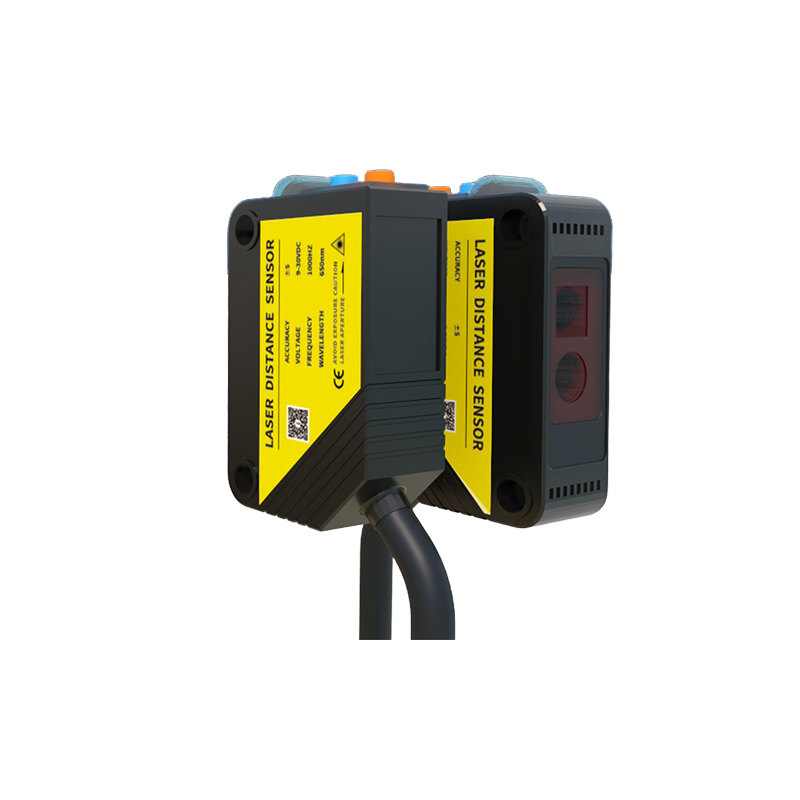
Manufacturers typically publish two key temperature values: the operating range and the storage range. The operating temperature range, such as -25°C to +55°C or -10°C to +70°C, indicates the conditions under which the sensor actively performs its detection function. The storage temperature range, often wider (e.g., -40°C to +85°C), defines the safe limits for the sensor when it is powered off. It is crucial never to power a sensor outside its operating range, as thermal stress can cause immediate or latent damage. The range is determined by testing the sensor in environmental chambers, verifying that all parameters—including light output, receiver sensitivity, switching frequency, and output current—remain within tolerance. A wider operating range generally signifies a more robust and potentially higher-grade component design.
Impact of High Temperatures on Sensor Performance
Elevated temperatures pose significant challenges to photoelectric sensor integrity. The light output of the emitting diode decreases as temperature rises, reducing the effective sensing range and signal margin. This can lead to intermittent failures or a complete loss of detection on distant or low-reflectivity targets. Simultaneously, the dark current of the phototransistor or photodiode in the receiver increases, elevating the noise floor and potentially causing false triggers. For the embedded electronics, high temperatures accelerate thermal aging of components like capacitors and semiconductors, shortening the sensor's operational lifespan. In extreme cases, plastic housings and lenses may deform, and internal solder joints can fail. Sensors designed for high-temperature environments often feature metal housings for better heat dissipation and use high-temperature-grade electronic components.
Challenges Posed by Low-Temperature Environments
Low-temperature operation introduces a different set of constraints. The primary concern is the condensation of moisture, which can form ice on the optical lens, completely blocking the light beam. While some sensors feature lens designs or coatings to mitigate this, the fundamental solution often involves external heating or protective enclosures. Chemically, the viscosity of lubricants in moving parts (like potentiometers for adjustment) increases, making them stiff. Electrically, the forward voltage of the LED increases, and the response time of certain electronic components can slow down. Batteries in self-contained sensors lose capacity rapidly. In sub-zero environments, materials become brittle; plastic enclosures and cable jackets may crack under impact or vibration. Specially rated low-temperature sensors utilize materials and component grades validated for cold operation.
Specialized Sensors for Extreme Temperature Applications
For applications beyond standard industrial ranges, specialized photoelectric sensors are available. High-temperature sensors, used in automotive paint shops, glass manufacturing, or metal casting, can operate continuously at temperatures from +120°C up to +200°C or more. These units employ sophisticated heat shielding, high-temperature optical fibers to distance the electronics from the heat source, and specialized optical glass. Conversely, cryogenic or cold-chain logistics sensors are engineered for environments down to -40°C or lower, using components rated for thermal shock and materials that retain flexibility. These specialized sensors represent a significant investment and are selected only when the application absolutely demands their extended capabilities, as their performance in standard conditions may not differ from a standard sensor.
Practical Considerations for System Design and Installation
Successful deployment requires more than just selecting a sensor with a suitable nominal temperature range. Engineers must consider the microclimate around the sensor. Is it mounted near a heat source like a motor, oven, or welding station? Is it in a sealed enclosure that might experience solar gain? Will it be exposed to direct sunlight, which can raise surface temperature well above ambient air temperature? Adequate spacing, the use of heat sinks or shrouds, and proper orientation can mitigate localized heating. For cold environments, ensuring the sensor is powered continuously can generate enough internal heat to prevent condensation, though this is not a substitute for proper rating. Always consult the sensor's detailed datasheet, which may derate performance (like sensing distance) at temperature extremes, and consider adding a safety margin to the published range for critical applications.