Introduction to the LFS240 Proximity Switch Sensor
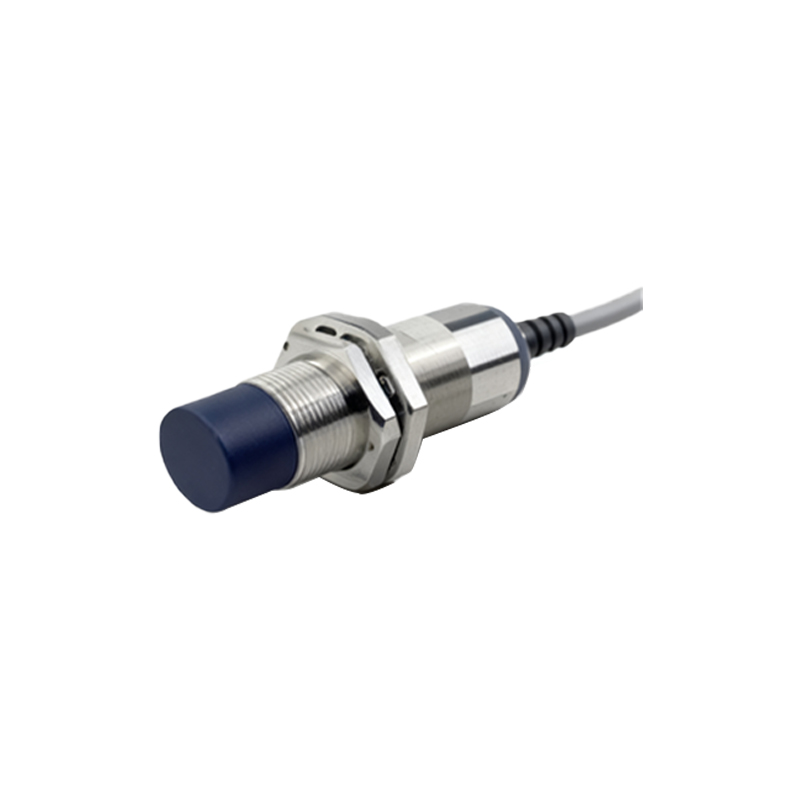
The LFS240 proximity switch sensor represents a significant advancement in non-contact detection technology for industrial automation. Engineered for reliability and precision, this inductive sensor is designed to detect metallic objects without physical contact, thereby minimizing wear and tear in demanding environments. Its robust construction ensures consistent performance in applications ranging from manufacturing assembly lines to material handling systems. The LFS240 operates on the principle of electromagnetic induction, generating an oscillating field that is disrupted by the presence of a metal target, triggering a switch signal. This mechanism allows for high-speed detection with exceptional accuracy, making it a preferred choice for engineers seeking to enhance operational efficiency and reduce maintenance costs.
Key Technical Specifications and Features
The LFS240 boasts a range of technical specifications that cater to diverse industrial needs. It typically offers a sensing distance of up to 15 mm, depending on the target material and size, with a high switching frequency that enables rapid response times. Constructed from durable materials such as stainless steel or nickel-plated brass, it is resistant to environmental factors like dust, moisture, and vibration. The sensor operates within a wide voltage range, often from 10 to 30 V DC, ensuring compatibility with various control systems. Additional features may include short-circuit protection, reverse polarity protection, and LED status indicators for easy diagnostics. These attributes contribute to its longevity and reliability in harsh conditions, where consistent performance is critical for uninterrupted production.
Installation and Configuration Guidelines
Proper installation is crucial for optimizing the performance of the LFS240 proximity switch sensor. It should be mounted securely in a location free from interference by other metallic objects or electromagnetic sources, as these can affect sensing accuracy. The alignment between the sensor and the target must be precise, with consideration given to the recommended sensing distance and approach direction. Wiring should follow manufacturer guidelines, typically involving a three-wire configuration with connections for power, ground, and output signals. Configuration may involve adjusting sensitivity settings or output modes (e.g., normally open or normally closed) to suit specific application requirements. Regular testing during setup ensures that the sensor responds correctly to target presence, minimizing downtime during integration into automated systems.
Common Applications in Industrial Settings
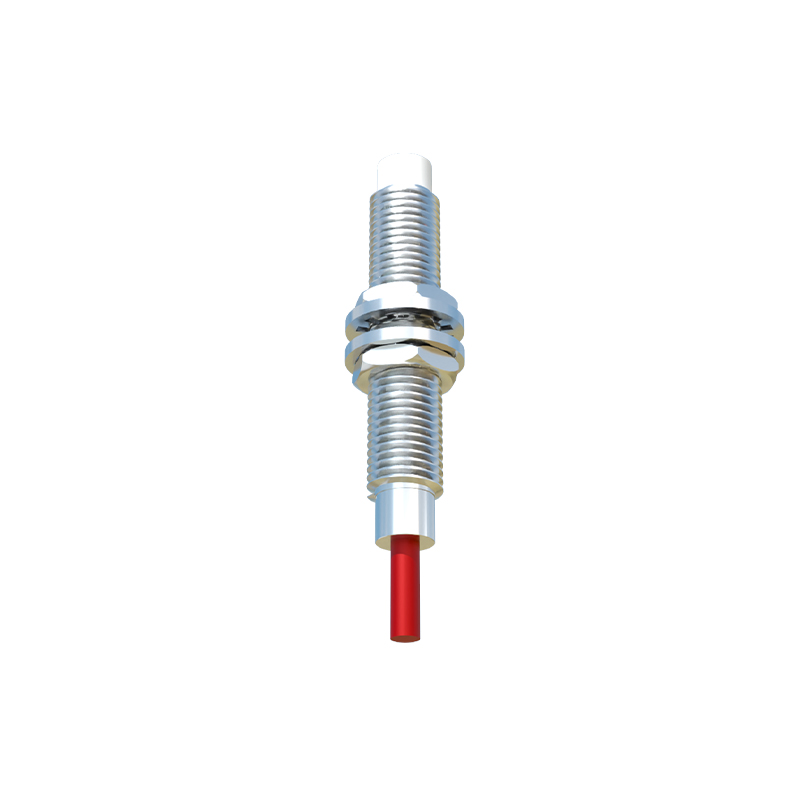
The versatility of the LFS240 makes it suitable for a wide array of industrial applications. In automotive manufacturing, it is used for position detection in robotic arms or part presence verification on conveyor belts. Within packaging machinery, it assists in counting products or monitoring fill levels by detecting metal components. The sensor also plays a vital role in CNC machining centers, where it ensures tool positioning accuracy or detects workpiece placement. Other uses include safety systems, such as interlocking guards on heavy equipment, and process control in industries like food and beverage, where it can monitor metal containers without contact contamination. Its ability to function in extreme temperatures and corrosive environments further expands its utility across sectors.
Maintenance and Troubleshooting Tips
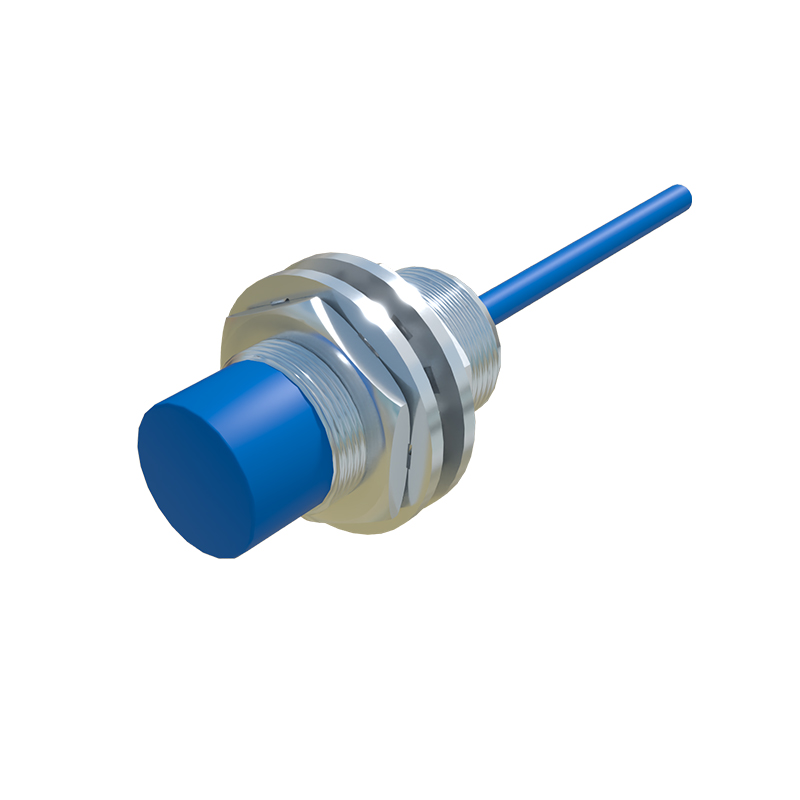
To maintain optimal performance, the LFS240 requires minimal but regular maintenance. Periodic inspections should check for physical damage, accumulation of debris, or loose connections that could impair functionality. Cleaning the sensing face with a soft cloth can prevent false triggers caused by dirt or oil buildup. Troubleshooting common issues involves verifying power supply stability, ensuring correct wiring, and testing with a known metal target to confirm detection. If the sensor fails to operate, diagnostic steps include checking LED indicators for error codes and measuring output signals with a multimeter. Recalibration may be necessary if sensing distance drifts over time, but overall, the LFS240's design emphasizes durability, reducing the need for frequent interventions and supporting long-term operational reliability.
Advantages Over Traditional Mechanical Switches
Compared to traditional mechanical switches, the LFS240 proximity sensor offers several distinct advantages. Its non-contact operation eliminates mechanical wear, leading to a longer lifespan and reduced replacement costs. The absence of moving parts also enhances resistance to shock and vibration, ensuring consistent performance in dynamic industrial environments. Additionally, the sensor provides faster response times, enabling higher-speed applications that mechanical switches cannot support. It is less susceptible to contamination from dust or liquids, thanks to its sealed housing, making it ideal for unclean or wet conditions. These benefits translate into improved productivity, lower maintenance overhead, and enhanced safety, as there is no risk of physical contact-related failures or sparks in hazardous areas.
Future Trends and Industry Outlook
The future of proximity switch sensors like the LFS240 is shaped by ongoing advancements in industrial automation and IoT integration. Emerging trends include the development of smart sensors with embedded diagnostics and communication capabilities, allowing for real-time monitoring and predictive maintenance via networked systems. There