Introduction to Photoelectric Heart Rate Monitoring
Photoelectric heart rate sensors, commonly found in wearable fitness technology like Lifesense Motion devices, represent a significant advancement in non-invasive health monitoring. These sensors operate on the principle of photoplethysmography (PPG). Essentially, they emit light—typically green LED light—into the skin and measure the amount of light reflected back. Blood absorbs light more effectively than surrounding tissue, and with each heartbeat, blood volume in the capillaries changes momentarily. The sensor detects these subtle variations in light absorption, translating them into a real-time heart rate (beats per minute). This technology has moved from clinical settings to consumer electronics, enabling continuous, convenient tracking of cardiovascular activity during rest and exercise.
Core Components and Working Mechanism
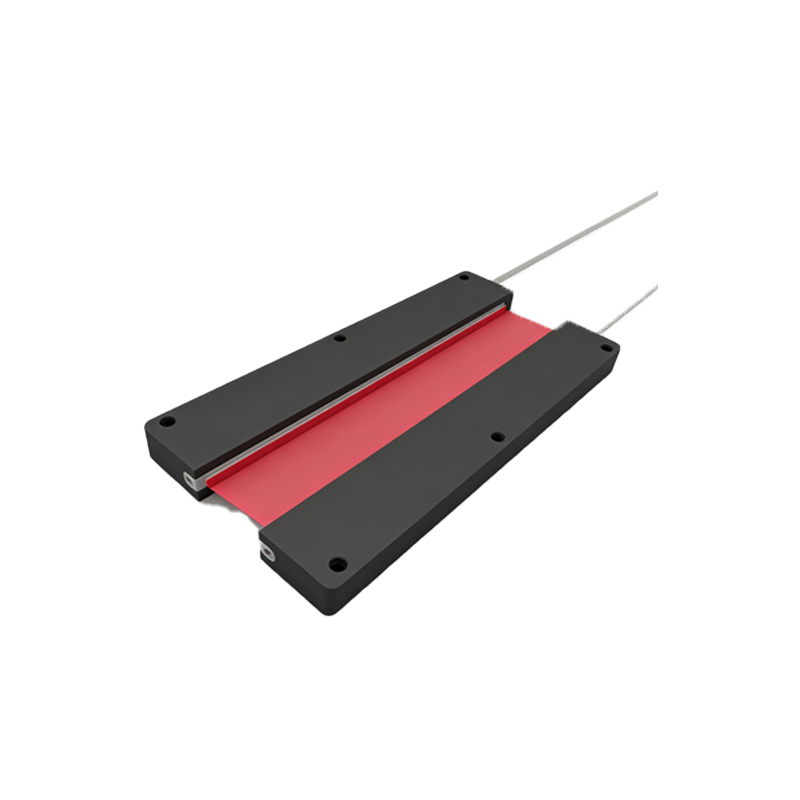
A typical Lifesense Motion photoelectric sensor module comprises several key components. The primary elements are one or more light-emitting diodes (LEDs) and a photodetector, usually a photodiode or phototransistor. The optical components are strategically placed against the skin, often on the underside of a smartwatch or fitness band. A microcontroller unit (MCU) orchestrates the operation: it pulses the LEDs at a specific frequency and captures the analog signal from the photodetector. This raw signal is heavily influenced by motion artifact and ambient light. Therefore, advanced signal processing algorithms are employed to filter out noise, isolate the cardiac rhythm, and calculate an accurate heart rate. The integration of these components into a compact, low-power package is a hallmark of modern wearable design.
Advantages Over Traditional Monitoring Methods
The adoption of photoelectric sensors in devices like those from Lifesense Motion offers distinct benefits. Firstly, they enable continuous monitoring without the discomfort of chest straps, encouraging longer-term data collection. This facilitates the tracking of resting heart rate, exercise intensity, and recovery patterns over days and weeks. Secondly, they are integral to estimating other metrics, such as heart rate variability (HRV), a key indicator of autonomic nervous system function and stress levels. Furthermore, their non-invasive nature and integration into everyday wearables promote proactive health awareness. Users can gain insights into their fitness levels, detect potential irregularities, and share longitudinal data with healthcare professionals, supporting a more data-informed approach to wellness.
Technical Challenges and Engineering Solutions
Despite their utility, photoelectric heart rate sensors face notable technical hurdles. The most significant is motion artifact. During vigorous exercise, the movement of the device relative to the skin creates noise that can swamp the cardiac signal. Lifesense Motion and other manufacturers combat this with hardware and software innovations. On the hardware side, using multiple LEDs and photodetectors in an array helps to capture a more stable signal. Software solutions involve sophisticated adaptive filtering algorithms and often the fusion of data from a 3-axis accelerometer. The accelerometer data identifies motion patterns, allowing the processor to subtract motion-induced noise from the optical signal dynamically. Power consumption is another critical challenge, addressed through efficient LED pulsing schemes and low-power MCU architectures.
Applications in Modern Fitness and Healthcare
The applications of this sensor technology extend far beyond simple heart rate readouts. In fitness, it powers calorie expenditure calculations, workout intensity zones (like fat burn, cardio, and peak), and automated exercise recognition. For general health, it enables 24/7 heart rate tracking, sleep stage analysis based on heart rate and movement, and stress monitoring through HRV. There is growing interest in its potential for clinical and pre-clinical applications, such as detecting atrial fibrillation (AFib) episodes through irregular rhythm analysis. While not a diagnostic device, a consumer wearable with a reliable photoelectric sensor can provide valuable screening data, prompting users to seek formal medical evaluation when anomalies are detected consistently.
Future Trends and Developments
The future of photoelectric sensing in wearables is geared towards greater accuracy, multi-parameter monitoring, and medical-grade validation. We anticipate the integration of additional light wavelengths (e.g., red and infrared LEDs) to enable blood oxygen saturation (SpO2) monitoring, a feature already appearing in some advanced models. Research is ongoing into using PPG signals to estimate blood pressure non-invasively, though this remains a complex challenge. Furthermore, sensor fusion—combining PPG data with electrodermal activity, temperature, and other biometrics—will provide a more holistic view of the user's physiological state. As algorithms become more refined through machine learning, the accuracy during high-motion activities will continue to improve, solidifying the role of photoelectric sensors as a cornerstone of personal health technology.