Fundamental Operating Principle
Ultrasonic proximity sensors operate on the principle of sound wave reflection, similar to how bats navigate. These sensors generate high-frequency sound waves, typically in the range of 40 kHz to 400 kHz, which are well above the human hearing threshold. The core component is a piezoelectric transducer. When an electrical voltage is applied, this transducer vibrates, emitting a burst of ultrasonic pulses. These pulses travel through the air at the speed of sound. Upon encountering a solid object within its detection range, the sound waves are reflected back towards the sensor. The same piezoelectric element then acts as a receiver, converting the returning echo vibrations back into an electrical signal. The sensor's internal electronics precisely measure the time interval between the emission of the pulse and the reception of the echo. This "time-of-flight" measurement is the fundamental basis for determining the distance to the target object.
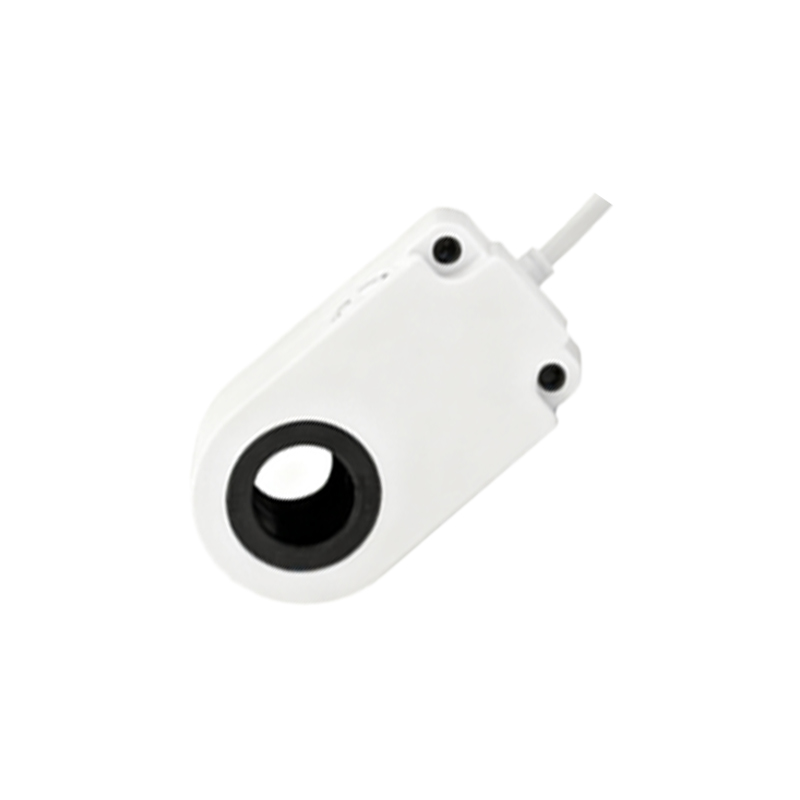
Key Components and Signal Processing
A modern ultrasonic sensor comprises several critical subsystems beyond the transducer. An oscillator circuit generates the high-frequency electrical signal that drives the transducer. A sophisticated microcontroller or timing circuit is the brain of the operation, controlling the pulse emission and initiating the time measurement with high precision. The received echo signal is extremely weak and often noisy. Therefore, a high-gain amplifier and filtering circuits are essential to boost the signal and eliminate interference from ambient noise or other ultrasonic sources. Advanced sensors employ digital signal processing algorithms to differentiate between the true target echo and false reflections from background objects or acoustic disturbances. The final output is typically a switching signal (PNP/NPN) or an analog signal (4-20 mA, 0-10V) proportional to the measured distance.
Advantages Over Other Sensing Technologies
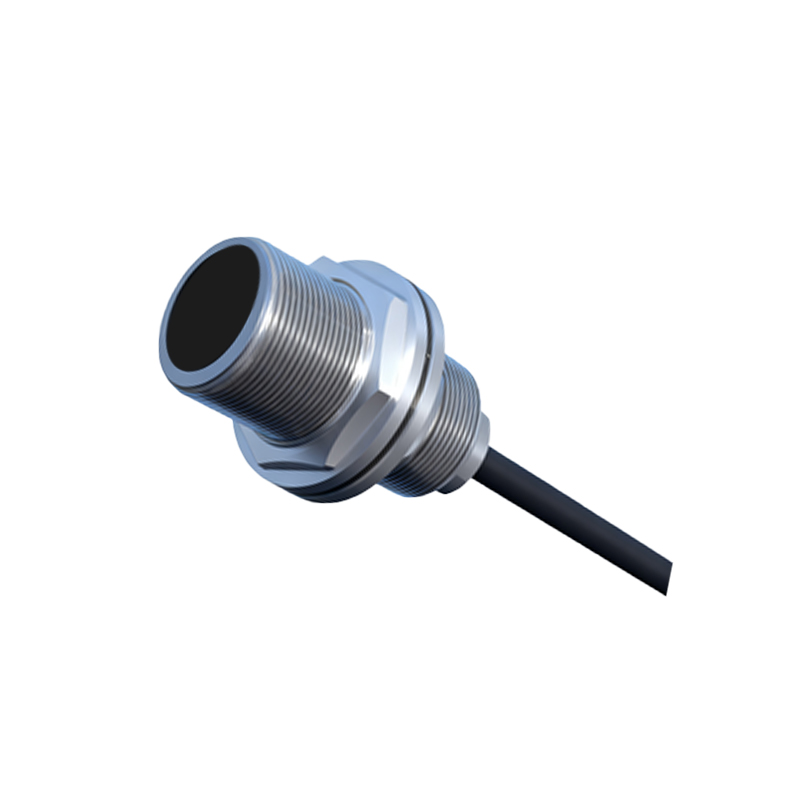
Ultrasonic sensors offer distinct benefits that make them suitable for challenging industrial environments. Unlike optical sensors, they are largely unaffected by target color, transparency, or surface reflectivity. They can reliably detect clear glass, shiny metals, and dark, matte surfaces with equal efficacy. They are also impervious to ambient light conditions, dust, smoke, and fog, which often incapacitate photoelectric sensors. Compared to inductive or capacitive sensors, ultrasonic variants have a much longer sensing range, from a few centimeters up to several meters. They provide precise, non-contact measurement of distance, making them ideal for applications like level detection, loop control, and object positioning where physical contact is undesirable.
Common Applications in Industrial Settings
The versatility of ultrasonic proximity sensors leads to widespread use across various sectors. In material handling and packaging, they are used for palletizing, box counting, and detecting the presence of objects on conveyor belts. A primary application is liquid and bulk solid level sensing in tanks and silos, where they provide continuous, reliable measurement without contacting the medium. In the automotive industry, they are integral to robotic guidance and collision avoidance systems. They are also employed for thread detection in textile machinery, loop control in wire winding, and even for detecting transparent films in packaging lines. Their ability to work in harsh, dirty environments makes them a robust choice for mining, agriculture, and wastewater treatment facilities.
Important Considerations and Limitations
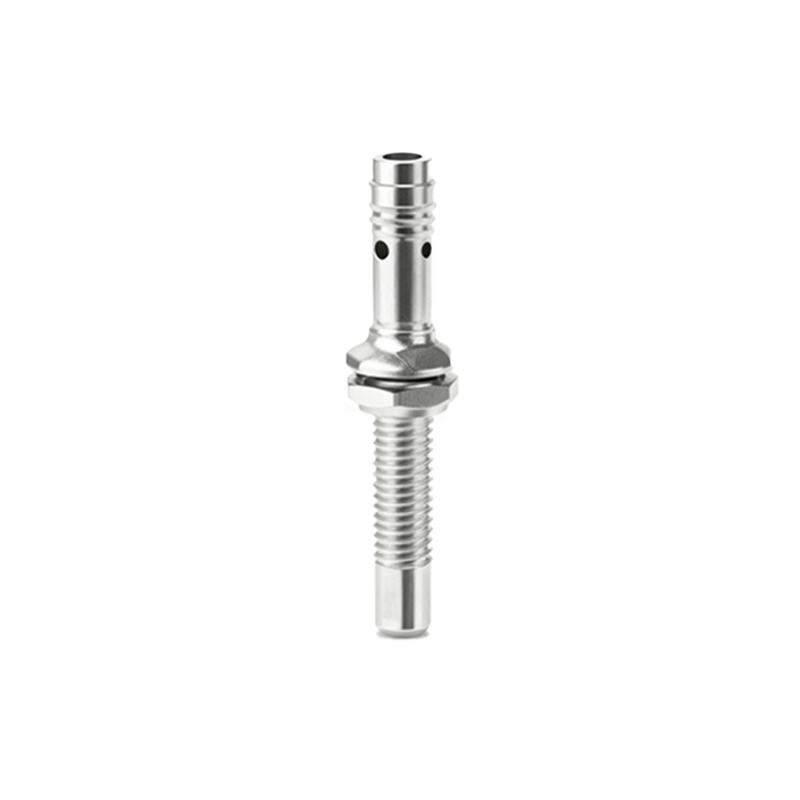
While highly effective, ultrasonic sensors have specific limitations that engineers must account for during system design. The speed of sound varies with air temperature, humidity, and pressure. High-precision sensors often include temperature compensation to correct for this variance. Soft, absorbent materials like foam or fabric may not reflect sound waves effectively, leading to reduced range or detection failure. The sensor requires a minimum dead zone directly in front of the transducer where detection is impossible due to the ringing of the emitted pulse. Extremely turbulent air, strong winds, or loud ambient noise at the operating frequency can interfere with performance. Furthermore, the sensing beam has a certain cone angle, so careful mounting is required to avoid detecting unwanted background objects.