Introduction to Non-Metallic Proximity Sensing
In the realm of industrial automation, proximity sensors are indispensable for detecting the presence or absence of objects without physical contact. While inductive sensors have long been the standard for metallic target detection, many modern applications involve non-metallic materials such as plastics, glass, wood, liquids, and biological substances. This demand has driven the development and refinement of non-metallic distance-type proximity sensors. These advanced devices utilize technologies like capacitive, ultrasonic, and photoelectric sensing to measure the distance to a target object, providing continuous analog output or discrete switching signals based on a predefined threshold. Their ability to function reliably in diverse and often challenging environments makes them a cornerstone of sophisticated control systems.
Core Operating Principles and Technologies
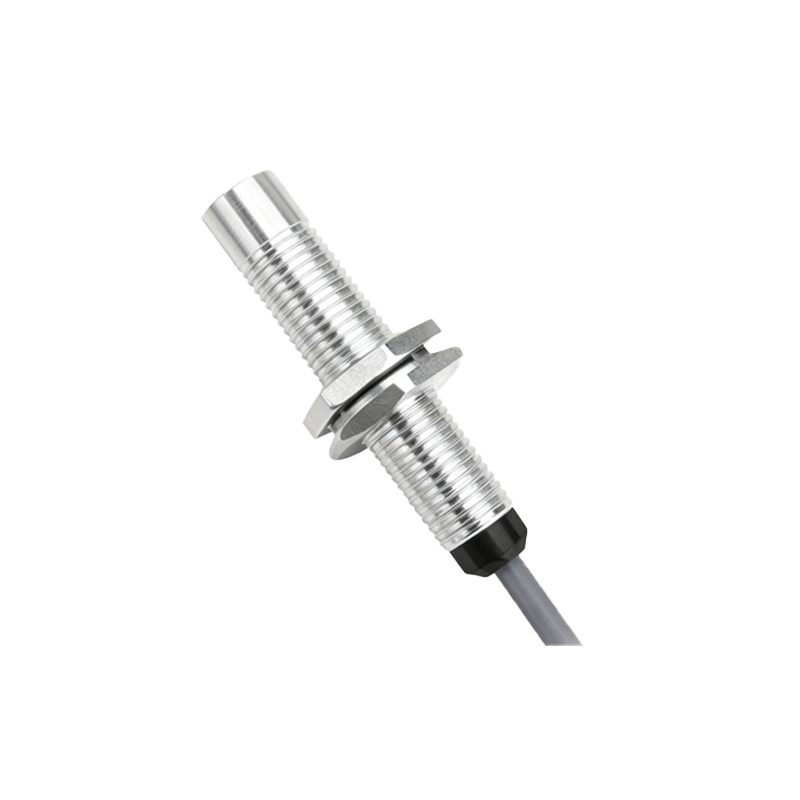
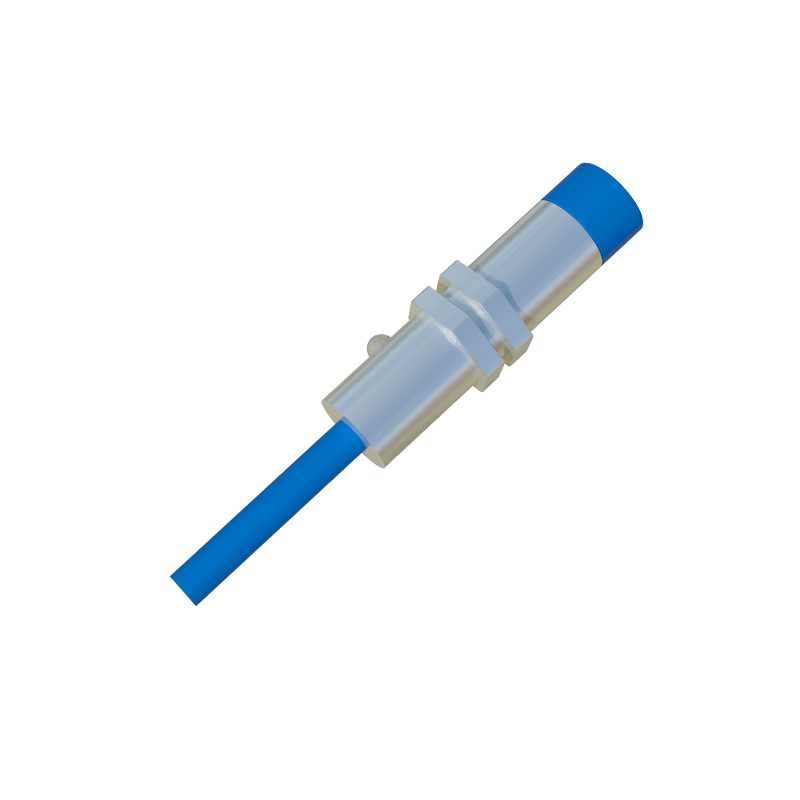
The functionality of non-metallic distance-type proximity sensors hinges on distinct physical principles. Capacitive sensors operate by generating an electrostatic field. When any material, conductive or non-conductive, enters this field, it alters the sensor's capacitance, which is then measured to determine presence and distance. They are exceptionally versatile for detecting powders, granules, and liquids through container walls. Ultrasonic sensors emit high-frequency sound pulses and calculate distance by measuring the time delay of the reflected echo. This technology is highly effective for long-range detection, level sensing, and applications involving transparent or variably colored objects. Photoelectric sensors, particularly the diffuse reflective type with background suppression or time-of-flight measurement, use a light beam (often infrared or laser) to detect the reflected signal from the target, providing precise distance information regardless of color or surface texture, though they can be affected by ambient light and highly reflective surfaces.
Key Advantages Over Traditional Sensors
The primary advantage of these sensors is their material-agnostic detection capability. Unlike inductive sensors, they are not limited to ferrous or non-ferrous metals, unlocking a vast array of applications. They offer true distance measurement, enabling tasks like precise positioning, continuous level monitoring, and dimension checking. Many models feature robust housings rated IP67 or higher, making them resistant to dust, water jets, and chemical exposure common in food processing, pharmaceuticals, and outdoor installations. Furthermore, advanced models incorporate intelligent features such as programmable switching points, analog output scaling (e.g., 4-20mA, 0-10V), and teach-in functions for easy setup, reducing commissioning time and enhancing system flexibility.
Primary Industrial Applications and Use Cases
Non-metallic distance-type proximity sensors find utility across virtually every industry. In packaging and material handling, they accurately detect the fill level of bottles (plastic or glass), control the stacking height of cardboard boxes, and position robotic grippers for delicate items. The automotive industry employs them to verify the presence of plastic components on assembly lines and control adhesive dispensing robots. In woodworking and furniture manufacturing, they ensure precise cutting and drilling depths. Liquid process industries rely on them for tank level control, even for aggressive chemicals, using sensors with appropriate housing materials. A critical emerging application is in collaborative robotics (cobots), where these sensors provide the necessary environmental awareness for safe human-robot interaction.
Critical Selection Criteria for Engineers
Selecting the optimal sensor requires a careful analysis of several parameters. First, define the sensing range required, considering both the nominal range and a safety factor. The target material's properties—such as dielectric constant for capacitive sensors, sound reflectivity for ultrasonic, and color/reflectivity for photoelectric—directly influence sensor choice. Environmental conditions are paramount: assess potential contaminants (oil, dust), temperature extremes, and the need for washdown compatibility. The required output signal type—discrete PNP/NPN switch, analog, or IO-Link for digital communication—must match the controller's input card. Finally, consider the mechanical form factor (cylindrical, rectangular), mounting constraints, and connection type (connector or cable outlet) to ensure seamless integration into the existing machine design.
Installation Best Practices and Calibration
Proper installation is crucial for reliable operation. Mount the sensor securely to minimize vibration, which can cause signal noise, especially in ultrasonic models. For capacitive sensors, ensure the sensing field is not influenced by nearby stationary objects or moving machinery, which may require adjusting the sensitivity potentiometer. Ultrasonic sensors require a clear "acoustic window"; avoid mounting near sound-absorbing materials or in areas with strong air turbulence. Photoelectric sensors should be positioned to avoid direct ambient light interference and angled away from highly reflective backgrounds. Most modern sensors feature a teach-in function, allowing quick calibration by placing the target at the desired detection point and activating the programming button, which automatically sets the threshold.