Introduction to Proximity Sensors and Gyroscopes
In the realm of industrial automation and motion sensing, two critical components often discussed are proximity sensors and gyroscopes. While both are sensors, they serve fundamentally different purposes. A proximity sensor is a device that detects the presence or absence of an object within a specific range without physical contact. It operates based on principles such as electromagnetic fields, infrared light, or ultrasonic sound. In contrast, a gyroscope is a sensor that measures or maintains orientation and angular velocity. It is designed to detect rotational motion around an axis, providing critical data for navigation, stabilization, and control systems. Understanding the distinction between these two technologies is essential for selecting the right component for a given application.
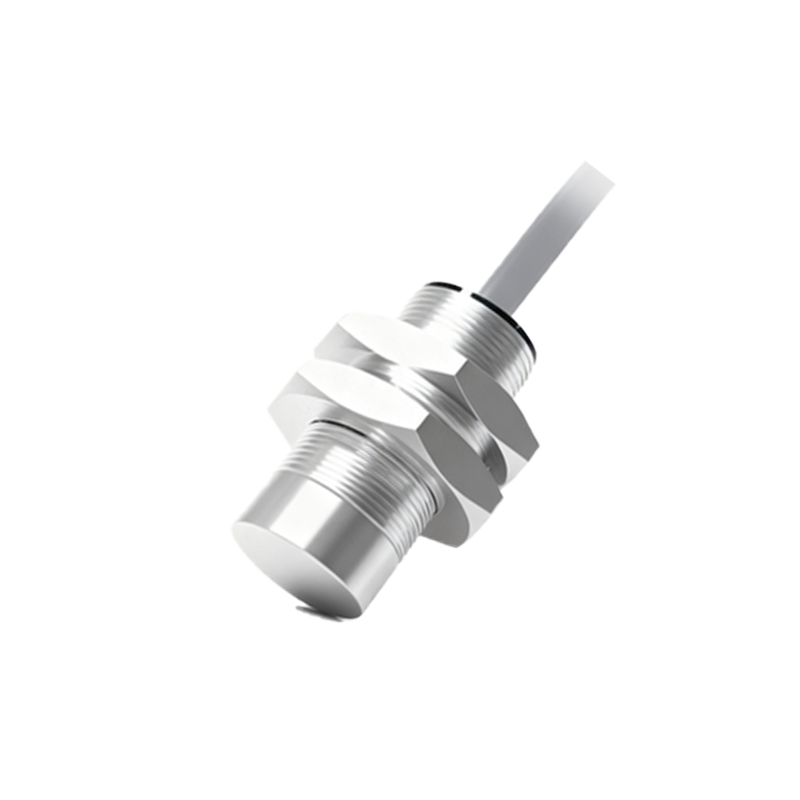
How Proximity Sensors Work and Their Primary Uses
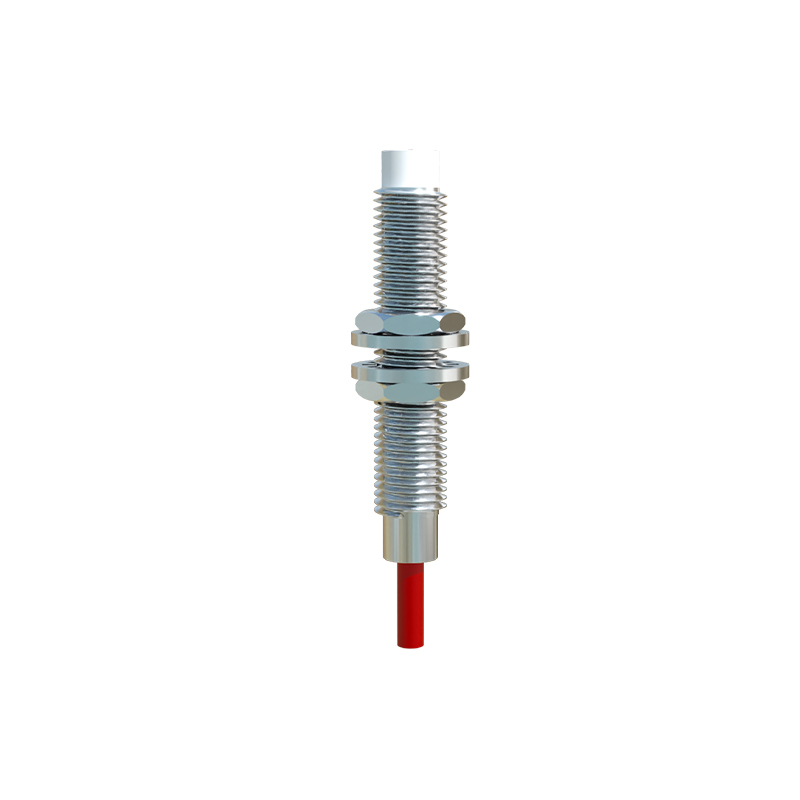
Proximity sensors function by emitting a field or beam and monitoring changes in the field or the return signal. Common types include inductive, capacitive, and photoelectric sensors. Inductive sensors detect metallic objects through electromagnetic fields, making them ideal for manufacturing lines where metal parts need counting or positioning. Capacitive sensors can detect both metallic and non-metallic objects by sensing changes in capacitance, useful in liquid level detection or material handling. Photoelectric sensors use light beams to detect objects, often employed in packaging, assembly, and safety systems. These sensors are primarily used for object detection, position verification, and automation control, enhancing efficiency and safety in industrial environments.
The Functionality and Applications of Gyroscopes
Gyroscopes measure angular velocity, typically in degrees per second, and are crucial for orientation sensing. Modern gyroscopes, such as MEMS (Micro-Electro-Mechanical Systems) gyroscopes, are compact and widely used in consumer electronics, automotive systems, and aerospace. In smartphones, gyroscopes enable screen rotation and motion-based gaming. In vehicles, they contribute to electronic stability control and navigation systems. For drones and aircraft, gyroscopes provide stabilization and attitude control. Unlike proximity sensors, gyroscopes do not detect external objects but instead monitor the device's own rotational movement, making them indispensable for dynamic motion analysis and control.
Key Differences Between Proximity Sensors and Gyroscopes
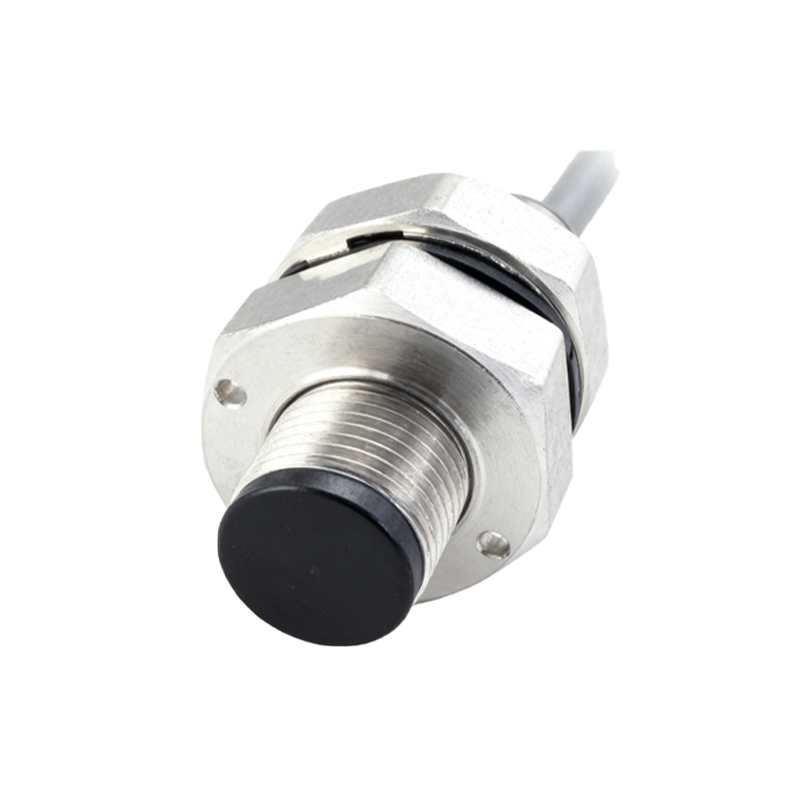
The primary difference lies in their measurement targets: proximity sensors detect external objects, while gyroscopes measure internal rotational motion. Proximity sensors are contactless and used for presence detection, often in static or linear motion scenarios. Gyroscopes, however, focus on angular motion and orientation, applicable in dynamic, rotating environments. Additionally, proximity sensors typically output binary signals (on/off) or analog distance values, whereas gyroscopes provide continuous data on angular velocity. This distinction affects their integration into systems—proximity sensors for automation and safety, gyroscopes for navigation and stabilization.
Practical Usage Guidelines for Proximity Sensors
To effectively use proximity sensors, consider factors like sensing range, material type, and environmental conditions. For inductive sensors, ensure the target is metallic and within the specified range, avoiding interference from other metals. Capacitive sensors require calibration for different materials and may be affected by humidity. Photoelectric sensors need a clear line of sight and can be impacted by ambient light. Installation should avoid vibration and misalignment. Regular maintenance, such as cleaning lenses or checking connections, ensures reliability. In applications like conveyor systems, use multiple sensors for precise object tracking, enhancing automation accuracy.
Integrating Gyroscopes in Modern Systems
When using gyroscopes, calibration is critical to minimize drift and offset errors. MEMS gyroscopes often integrate with accelerometers and magnetometers in IMUs (Inertial Measurement Units) for comprehensive motion tracking. In embedded systems, ensure proper signal conditioning and filtering to reduce noise. For consumer devices, gyroscopes enable features like image stabilization in cameras or gesture controls. In industrial robotics, they aid in arm positioning and balance. Always consider power consumption and data rate requirements, as high-performance gyroscopes may demand more resources. Software algorithms, such as sensor fusion, combine gyroscope data with other sensors for improved accuracy.
Common Misconceptions and Clarifications
A frequent misconception is that proximity sensors and gyroscopes are interchangeable, but they address different needs. Proximity sensors are not used for measuring rotation, and gyroscopes do not detect object presence. Another myth is that gyroscopes always provide absolute orientation; in reality, they measure relative angular velocity and may require integration with other sensors for absolute positioning. Similarly, proximity sensors are not limited to industrial use—they appear in consumer products like touchscreens or automatic faucets. Understanding these nuances helps avoid misapplication and optimizes system design.