Introduction to Proximity Sensing
Proximity sensors are fundamental components in modern industrial automation, providing non-contact detection of objects. The CS-9B model represents a specific implementation within this broad category, typically designed for reliable performance in demanding environments. Its core function is to detect the presence or absence of a metallic target without any physical contact, thereby eliminating mechanical wear and enabling high-speed operation. This capability is crucial for applications such as position verification, counting, and end-of-travel detection on production lines and machinery.
Core Technology: Inductive Sensing Principle
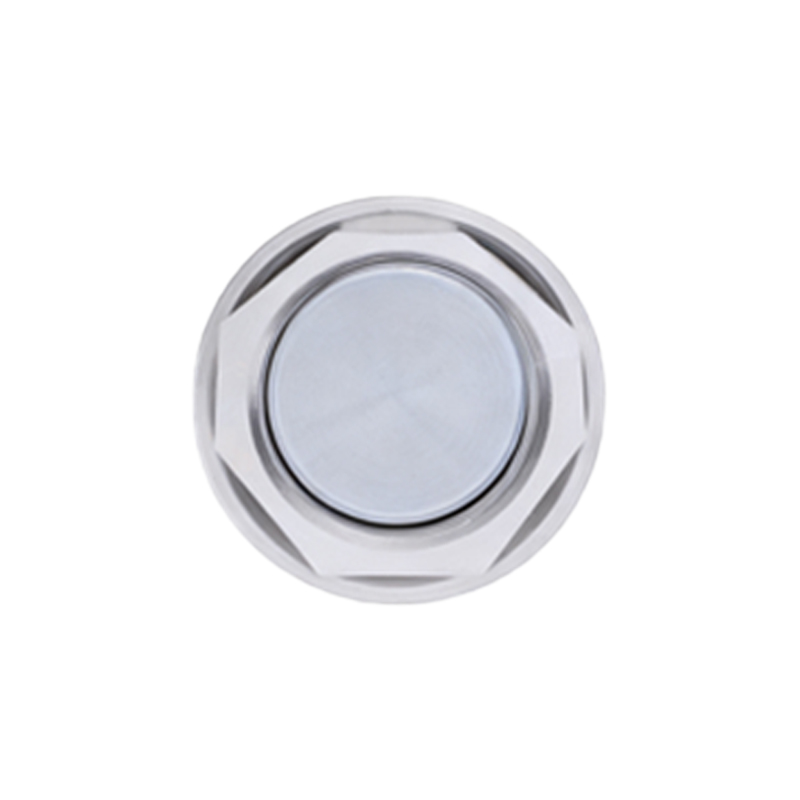
The CS-9B proximity sensor operates primarily on the inductive sensing principle. Internally, the sensor contains an oscillator circuit that generates a high-frequency electromagnetic field at its active face or sensing surface. This field is emitted from a coil wound around a ferrite core. When a conductive metal target, such as steel, aluminum, or copper, enters this oscillating electromagnetic field, eddy currents are induced on the surface of the target. These eddy currents draw energy from the sensor's oscillator, resulting in a measurable energy loss.
Signal Processing and Output Switching
The sensor's internal electronic circuitry continuously monitors the amplitude of the oscillation. As the target approaches and the eddy current loss increases, the oscillation amplitude decreases. A dedicated threshold circuit, or trigger circuit, detects this specific drop in amplitude. Once the amplitude falls below a predefined threshold—corresponding to the sensor's rated sensing distance—the circuit triggers a state change. This change controls the solid-state switch, typically a transistor, which alters the output signal. The CS-9B commonly provides a digital DC output, switching from a high to low state (or vice versa, depending on its configuration as NPN or PNP) to signal the target's presence.
Key Design Features and Characteristics
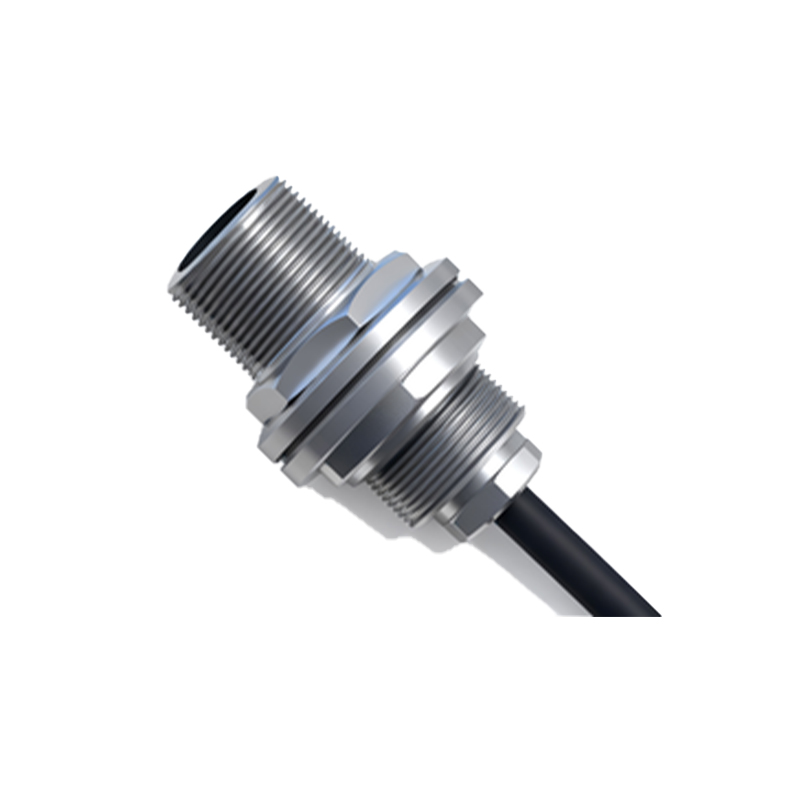
Several design features define the CS-9B's performance. Its housing is usually constructed from nickel-plated brass or stainless steel, offering robustness and resistance to industrial contaminants like coolants and oils. The sensing distance, a critical parameter, is precisely calibrated and is non-adjustable in standard versions. Shielding is a key aspect; the CS-9B is typically a shielded (flush-mountable) type, allowing it to be installed flush with a metal mounting surface without affecting its sensing field. This design minimizes side interference. The sensor also incorporates protection against reverse polarity, short-circuits, and often transient voltage spikes, ensuring longevity.
Application Considerations and Environmental Factors
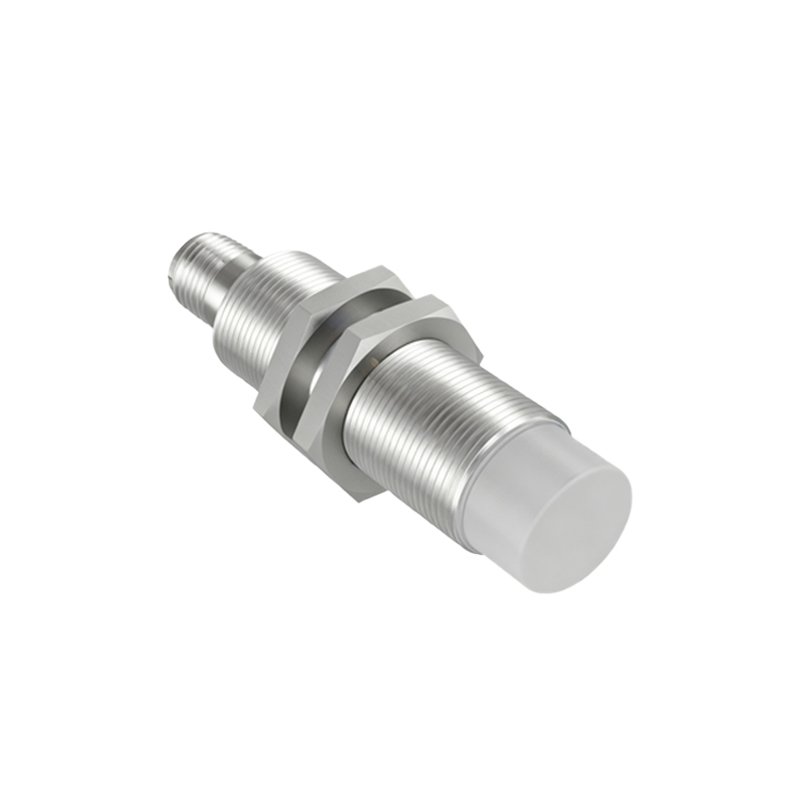
Successful implementation of the CS-9B requires attention to application details. The sensing performance can vary slightly depending on the target material's properties; ferrous metals like mild steel provide the longest sensing range, while non-ferrous metals like aluminum or brass reduce the effective range. The sensor must be installed with care, maintaining adequate clearance from other metal objects to prevent false triggering. Environmental factors such as ambient temperature extremes, strong external electromagnetic fields, or the presence of conductive dust can influence operation. Adherence to the specified voltage range and load current is essential for reliable output switching and long-term stability.
Advantages in Industrial Automation
The CS-9B proximity sensor offers significant advantages that justify its widespread use. Its non-contact nature ensures a virtually infinite operational life in terms of mechanical actuation cycles. It enables very high switching speeds, suitable for counting fast-moving parts. The solid-state output provides a clean, bounce-free signal for programmable logic controllers (PLCs) and other control systems. Furthermore, its sealed construction allows reliable operation in harsh conditions where limit switches or other mechanical devices would fail prematurely. This combination of speed, reliability, and durability makes it a cornerstone of efficient automation.
Conclusion and Summary
In summary, the CS-9B proximity sensor is a robust, inductive-type device that detects metallic objects through the principle of eddy current generation. Its internal oscillator, trigger circuit, and solid-state switch work in concert to provide a precise digital output signal upon target detection. Key to its functionality are its shielded design, durable housing, and integrated protections. By understanding its working principle—from the generation of the electromagnetic field to the final output switch—engineers and technicians can effectively select, install, and troubleshoot these sensors, ensuring optimal performance in diverse industrial automation tasks.